



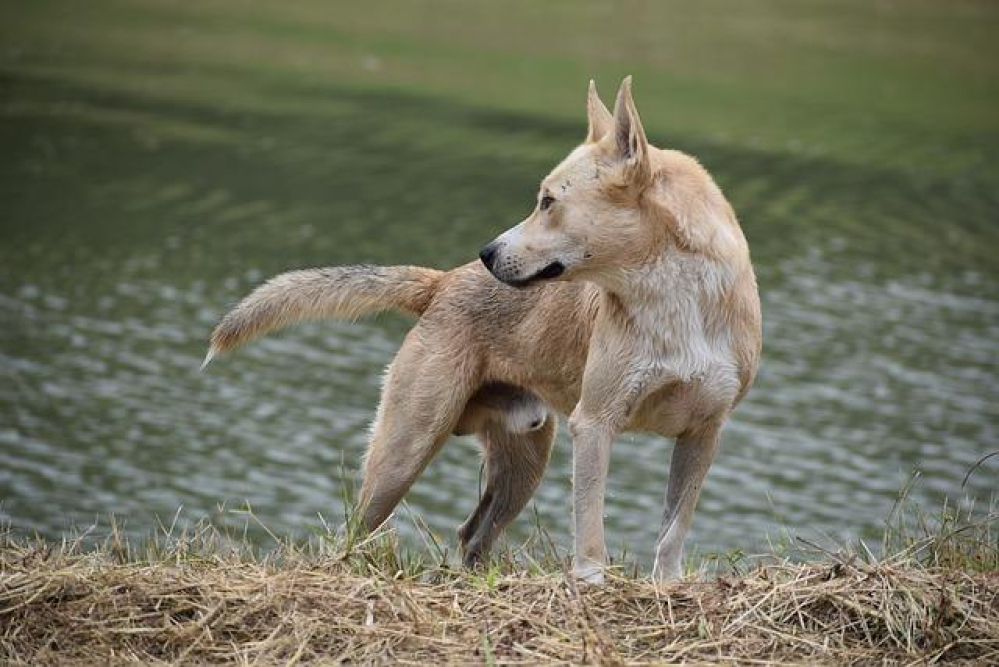
The utilization of K9 police dogs in law enforcement has become an essential and invaluable tool in maintaining public safety and combating crime. These highly trained and specialized canine units play a crucial role in various law enforcement operations, from apprehending fleeing suspects to sniffing out narcotics and explosives. In this article, we will delve into the incredible capabilities of K9 police dogs, their rigorous training regimens, and the indispensable role they play in modern policing.
Table of Contents
- The History and Evolution of K9 Police Dogs
- The Rigorous Training and Specialized Skills of K9 Police Dogs
- The Vital Role of K9 Police Dogs in Law Enforcement Operations
- Best Practices for Caring for and Utilizing K9 Police Dogs
- The Importance of Ongoing Training and Support for K9 Police Dog Handlers
- Q&A
- The Conclusion
The History and Evolution of K9 Police Dogs
The use of K9 police dogs dates back to the 1800s when these intelligent and loyal animals were first enlisted to assist law enforcement officers. The history of K9 police dogs can be traced back to Belgium, where they were initially trained for tracking and apprehending criminals. Over time, their roles expanded to include detecting drugs, explosives, and even human remains. The evolution of K9 police dogs has been remarkable, with advancements in training techniques and specialized breeding programs aimed at producing the most effective working dogs.
One of the most significant developments in the history of K9 police dogs is the establishment of dedicated K9 units within police departments. These units are responsible for training and deploying K9 teams to support various law enforcement operations. As the demand for K9 police dogs grew, so did the need for specialized training facilities and programs. Today, K9 police dogs undergo rigorous training to ensure they are well-equipped to handle the demands of their roles. This comprehensive training includes obedience, scent detection, agility, and apprehension techniques.
is a testament to the invaluable contribution these animals make to law enforcement. From their humble beginnings as tracking dogs to their current roles as multi-purpose assets in crime prevention and detection, K9 police dogs have proven to be indispensable partners to police officers. Their unwavering loyalty, keen senses, and unmatched abilities continue to make them an essential part of the law enforcement community.
The Rigorous Training and Specialized Skills of K9 Police Dogs
K9 police dogs undergo rigorous training to develop specialized skills that make them invaluable assets to law enforcement agencies. These highly trained canines play a vital role in various police operations, including search and rescue missions, drug detection, explosive detection, and apprehending suspects.
The training of K9 police dogs begins at a young age, typically around 12-18 months old. They are put through intensive obedience training to ensure they respond promptly to commands from their handlers. Additionally, they undergo specialized training in scent detection, bite work, agility, and other specific skills that are essential for their roles in law enforcement.
- Intensive obedience training
- Scent detection training
- Bite work training
- Agility training
The Vital Role of K9 Police Dogs in Law Enforcement Operations
K9 police dogs play a vital role in law enforcement operations, serving as invaluable allies to police officers in a wide range of tasks. These highly trained and skilled canines are an essential part of law enforcement teams, offering unique abilities that make them indispensable in various situations.
Here are some of the key roles that K9 police dogs perform in law enforcement operations:
- Tracking and locating: K9 police dogs are trained to track and locate suspects, missing persons, and evidence at crime scenes. Their superior sense of smell and tracking abilities make them invaluable in search and rescue operations.
- Narcotics detection: Police K9s are trained to detect the presence of illegal drugs, helping law enforcement officers in drug enforcement operations and interdiction efforts.
- Explosives detection: K9 police dogs are also trained to sniff out explosives, providing critical support in bomb threat situations and security operations.
- Handler protection: K9s serve as protective partners for their handlers, providing an extra layer of security and defense in high-risk situations.
Best Practices for Caring for and Utilizing K9 Police Dogs
K9 police dogs are highly trained and valuable members of law enforcement teams. Caring for and utilizing these intelligent and loyal animals requires the implementation of best practices to ensure their well-being and effectiveness in their role. Proper care and utilization of K9 police dogs involve a combination of training, health care, and understanding their unique needs and capabilities.
Training is a crucial aspect of caring for and utilizing K9 police dogs. It is essential to provide them with ongoing, specialized training to maintain their skills in detection, tracking, and apprehension. Additionally, K9 police dogs must be trained to follow commands and work effectively with their handlers in various law enforcement scenarios. This continuous training not only enhances the abilities of the K9 police dogs but also fosters a strong bond between the dog and their handler, resulting in a more effective team.
In addition to training, the health and well-being of K9 police dogs must be prioritized. Regular veterinary check-ups, vaccinations, and proper nutrition are essential for ensuring that these working dogs remain physically fit and healthy. Furthermore, providing them with adequate rest and mental stimulation is crucial for their overall well-being. Implementing a structured exercise routine and providing them with opportunities for play and interaction are integral to maintaining their physical and mental fitness. By following these best practices, law enforcement agencies can ensure that their K9 police dogs are healthy, well-cared-for, and ready to perform their duties effectively.
| Specialized training in detection, tracking, and apprehension |
| Regular veterinary check-ups and vaccinations |
| Proper nutrition and structured exercise routine |
The Importance of Ongoing Training and Support for K9 Police Dog Handlers
Ongoing training and support for K9 police dog handlers is crucial for the success of both the officers and their loyal canine partners. The unique partnership between a handler and their K9 is built on trust, communication, and mutual understanding. Ongoing training allows handlers to continuously hone their skills, learn new techniques, and stay up-to-date on the latest advancements in K9 handling. Additionally, support systems provide handlers with the resources, guidance, and emotional assistance they need to navigate the challenges of their demanding roles.
There are several key reasons why ongoing training and support for K9 police dog handlers are essential:
- Enhanced Skills: Continuous training allows handlers to refine their handling techniques and learn new methods for effectively working with their K9 partners.
- Adaptation to Change: Ongoing support helps handlers adapt to new challenges, changes in policies, and advancements in K9 training and handling methods.
- Wellness and Resilience: Support systems provide handlers with the tools and resources they need to maintain their mental, emotional, and physical well-being, ensuring they can perform their duties at the highest level.
Q&A
Q: What breeds of dogs are commonly used in K9 police units?
A: German Shepherds, Belgian Malinois, and Dutch Shepherds are the most commonly used breeds in K9 police units due to their intelligence, agility, and strong sense of smell.
Q: What types of training do K9 police dogs undergo?
A: K9 police dogs undergo extensive training in obedience, scent detection, tracking, and apprehension. They are also trained to work in various environments and situations, including urban, rural, and building searches.
Q: How are K9 police dogs utilized in law enforcement?
A: K9 police dogs are utilized in law enforcement for tasks such as searching for narcotics, explosives, and missing persons, as well as apprehending suspects and providing support during high-risk situations.
Q: What qualities are necessary for a dog to become a successful K9 police dog?
A: Successful K9 police dogs must possess high intelligence, strong work ethic, physical stamina, and an ability to perform flawlessly in high-stress situations. They should also have a strong bond with their handler and be highly trainable.
Q: What are the benefits of using K9 police dogs in law enforcement?
A: K9 police dogs provide numerous benefits in law enforcement, including their ability to search large areas quickly, detect illegal substances with precision, and provide a non-lethal means of apprehending suspects. Additionally, their presence can serve as a deterrent to criminal activity.
The Conclusion
In conclusion, K9 police dogs play a vital role in law enforcement and public safety. Their keen sense of smell, agility, and fierce loyalty make them invaluable assets in locating suspects, detecting drugs and explosives, and apprehending dangerous individuals. The rigorous training and exceptional handling by dedicated K9 officers ensure that these four-legged heroes are able to perform their duties effectively and protect both law enforcement and civilian personnel. As society continues to evolve, K9 units will remain an essential element in combating criminal activity and maintaining the safety and security of our communities. It is imperative that we continue to support and recognize the significant contributions of these remarkable canines and their handlers.

