



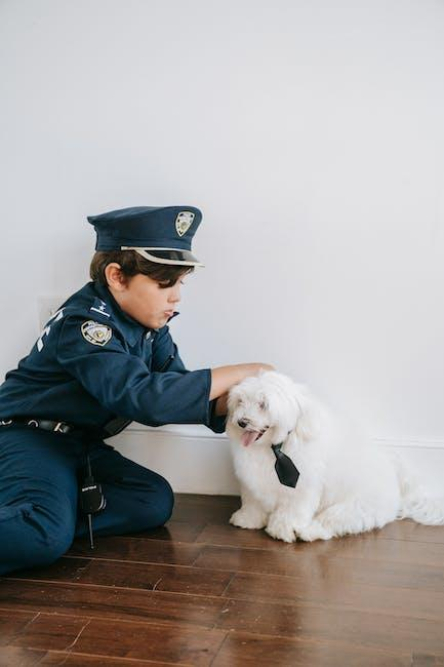
Police dogs, also known as K9s, play a crucial role in law enforcement across the world. These highly trained canines are specially selected for their intelligence, strength, and agility, and are used for a variety of tasks such as tracking suspects, detecting drugs and explosives, and apprehending criminals. In this article, we will delve into the different breeds of dogs that are commonly used as police dogs and explore the specific traits that make them well-suited for this important and demanding role in law enforcement.
Table of Contents
- Breeds commonly used as police dogs
- Characteristics that make a dog suitable for police work
- Specific training requirements for police dogs
- Specialized tasks performed by police dogs
- Best practices for caring for and maintaining police dogs
- Q&A
- Concluding Remarks
Breeds commonly used as police dogs
Police dogs, also known as K-9 units, are an integral part of law enforcement efforts around the world. Different breeds are commonly used as police dogs due to their unique traits and abilities. These breeds are carefully selected and trained to assist police officers in various tasks, including drug detection, search and rescue, and apprehending suspects. Here are some of the most popular :
German Shepherd
The German Shepherd is one of the most popular breeds used in police work. Known for their intelligence, loyalty, and strength, German Shepherds are versatile and can be trained for various tasks such as tracking, apprehension, and search and rescue. Their keen sense of smell and agility make them ideal for police work.
Belgian Malinois
Another common breed used as police dogs is the Belgian Malinois. They are highly trainable, agile, and have a strong work ethic, making them an excellent choice for police work. Belgian Malinois are often used for tasks such as apprehension, search and rescue, and detecting explosives and narcotics.
Labrador Retriever
Labrador Retrievers are known for their friendly and outgoing nature, but they are also highly intelligent and trainable, which makes them suitable for police work. They are often used for tasks such as detecting narcotics and explosives, search and rescue, and evidence recovery due to their keen sense of smell and strong work ethic.
Characteristics that make a dog suitable for police work
When it comes to police work, not all dogs are created equal. Certain characteristics make some breeds better candidates for police work than others. Here are some key traits that make a dog suitable for police work:
- Intelligence: Police dogs need to be highly intelligent in order to learn and execute commands quickly and effectively.
- Trainability: The ability to be trained is crucial for police dogs, as they need to be able to follow orders and respond to various situations.
- Strength and stamina: Police dogs often need to apprehend suspects and may be required to work long hours, so they need to have the physical strength and endurance to handle the demands of the job.
- Agility: Agility is essential for police dogs, as they need to be able to navigate obstacles and pursue suspects in various environments.
Popular breeds that possess these characteristics and are commonly used as police dogs include German Shepherds, Belgian Malinois, and Dutch Shepherds. These breeds are known for their intelligence, trainability, strength, and agility, making them well-suited for police work. While other breeds may also be used as police dogs, these traits are essential for any dog to be successful in this line of work.
Overall, police dogs play a crucial role in law enforcement, utilizing their unique characteristics to aid officers in a variety of tasks, including scent detection, search and rescue, and suspect apprehension. Their natural abilities and specialized training make them valuable members of any police force.
Specific training requirements for police dogs
Police dogs, also known as K-9s, play a crucial role in law enforcement. These highly trained canines are chosen for their intelligence, agility, and strong sense of smell, making them an invaluable asset to police forces around the world. When it comes to , there are a few key areas that are essential for these canines to excel in their roles.
One of the most important aspects of training for police dogs is obedience. These K-9s must be highly responsive to their handler’s commands and be able to follow instructions quickly and accurately, especially in high-stress situations. Additionally, police dogs undergo rigorous scent training to develop their ability to track and detect illegal substances, explosives, or missing persons. This specialized training is crucial for law enforcement operations, as it allows police dogs to assist in locating evidence or suspects.
Furthermore, physical fitness is a vital component of police dog training. These canines must be in top physical condition to keep up with the demands of their work, which often involves running, jumping, and climbing. Moreover, police dogs are trained in apprehension techniques, which include subduing suspects and protecting their handlers when necessary. This level of training ensures that police dogs are prepared for the challenging and high-stakes environments they may encounter in the line of duty. Overall, the are carefully designed to equip these canines with the skills and abilities needed to assist law enforcement effectively.
| Breed | Training Requirement |
| German Shepherd | Obedience, scent detection, apprehension, agility |
| Belgian Malinois | Physical fitness, scent detection, obedience, tracking |
| Labrador Retriever | Scent detection, obedience, agility |
Specialized tasks performed by police dogs
Police dogs are highly trained and specialized in a variety of tasks that make them an essential part of law enforcement teams. These intelligent animals undergo extensive training to perform specific duties that aid officers in their day-to-day work. Some of the include:
**1. Tracking:** Police dogs are trained to follow the scent of a person, making them invaluable assets in search and rescue missions. They can track down suspects or missing individuals by following their scent trail over various terrains and environments.
**2. Detection:** One of the most well-known tasks of police dogs is their ability to detect drugs, explosives, or other contraband. Their keen sense of smell allows them to locate illegal substances in vehicles, buildings, or open spaces, helping law enforcement officers in their efforts to combat crime and ensure public safety.
**3. Protection:** Police dogs are also trained to apprehend and restrain suspects when necessary. They are skilled in apprehension techniques and can assist officers in subduing individuals who pose a threat, reducing the risk of injury to both officers and suspects. Additionally, police dogs often serve as a deterrent to criminal activity simply by their presence.
In addition to these specialized tasks, police dogs are also trained in obedience, agility, and endurance, making them effective partners for law enforcement officers in a wide range of situations. These highly skilled animals play a crucial role in enhancing the capabilities of police departments and are valued members of their teams.
Best practices for caring for and maintaining police dogs
Police dogs, also known as K-9 units, are carefully selected and trained to assist law enforcement in various tasks. The most common breeds used as police dogs are German Shepherds, Belgian Malinois, Dutch Shepherds, and Labrador Retrievers. These breeds are chosen for their intelligence, agility, strength, and ability to work in high-stress situations. German Shepherds, in particular, are favored for their versatility, loyalty, and keen sense of smell, which makes them excellent for tracking and apprehending suspects.
When it comes to caring for and maintaining police dogs, there are several best practices to keep in mind. Proper nutrition is essential for keeping police dogs healthy and in top physical condition. Regular exercise is also crucial for maintaining their strength and agility. In addition, regular grooming and veterinary check-ups are important to ensure their overall well-being. Moreover, ongoing training and reinforcement of commands are essential to keep their skills sharp and ensure they can perform their duties effectively. Lastly, providing a safe and comfortable living environment is paramount for their overall well-being and performance on the job.
| Breed | Characteristics |
|---|---|
| German Shepherd | Versatile, loyal, excellent sense of smell |
| Belgian Malinois | High energy, intelligent, agile |
| Dutch Shepherd | Strong, obedient, protective |
| Labrador Retriever | Friendly, obedient, strong sense of smell |
In conclusion, police dogs play a crucial role in law enforcement and are carefully selected and trained for their specific tasks. Caring for and maintaining these working dogs is essential to ensure they can perform their duties effectively and stay healthy. It’s important to provide them with proper nutrition, exercise, grooming, and medical care, as well as ongoing training and a safe living environment. By following these best practices, police dogs can continue to serve alongside law enforcement officers and make valuable contributions to public safety.
Q&A
Q: What types of dogs are commonly used as police dogs?
A: German Shepherds, Belgian Malinois, and Dutch Shepherds are the most commonly used breeds for police work due to their intelligence, agility, and loyalty.
Q: What specific tasks are police dogs trained to perform?
A: Police dogs are trained to perform a variety of tasks including tracking suspects, searching for drugs or explosives, apprehending suspects, and generally providing support to law enforcement officers.
Q: What makes German Shepherds well-suited for police work?
A: German Shepherds are known for their keen intelligence, strong work ethic, and natural protective instincts, which make them well-suited for police work.
Q: Why are Belgian Malinois popular as police dogs?
A: Belgian Malinois are highly trainable, possess great energy and stamina, and have a strong drive to work, making them ideal for police work.
Q: How are police dogs trained for their duties?
A: Police dogs undergo rigorous training programs that focus on obedience, scent detection, apprehension techniques, and overall readiness for the demands of police work.
Q: Are there other breeds used as police dogs?
A: While German Shepherds, Belgian Malinois, and Dutch Shepherds are the most common, other breeds such as Labrador Retrievers, Bloodhounds, and Rottweilers are also used for specific police tasks, such as search and rescue or bomb detection.
Concluding Remarks
In conclusion, police dogs play a crucial role in law enforcement agencies around the world, assisting officers in a variety of tasks such as searching for drugs, explosives, and missing persons, as well as apprehending suspects. Their intelligence, strength, and keen sense of smell make them invaluable assets in maintaining public safety. As we continue to rely on these highly trained and capable animals to aid in law enforcement efforts, it is important to recognize and appreciate the dedication and hard work of both the dogs and their handlers. The bond between police dogs and their human partners exemplifies the effectiveness of this specialized form of law enforcement, and their contribution to keeping our communities safe should not be understated.

