



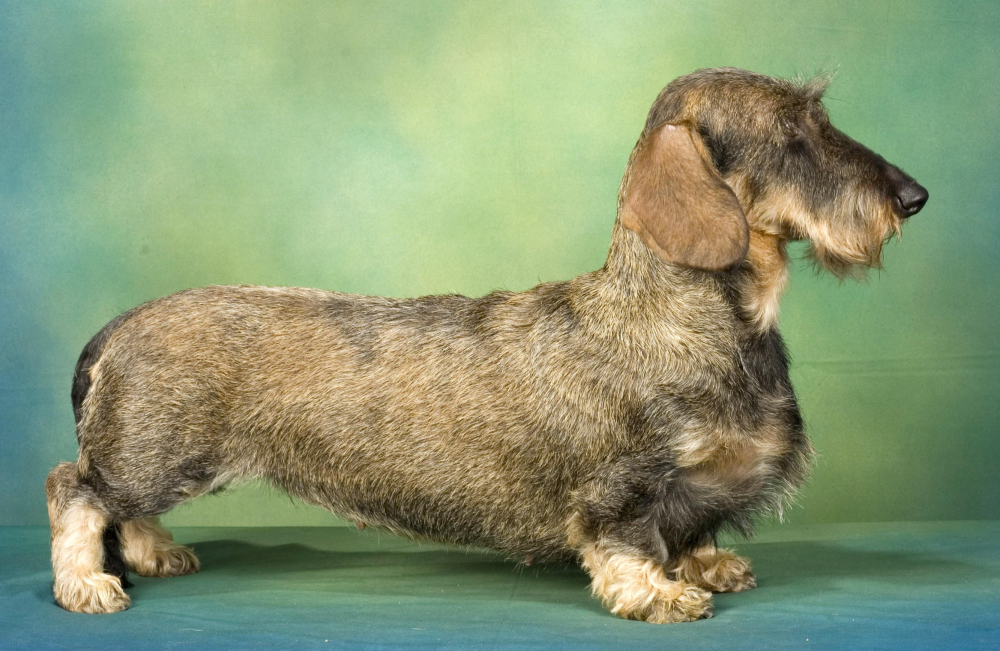
The dachshund, with its distinctive long body and short legs, is a beloved breed known for its playful personality and loyalty. However, few may be aware that the dachshund’s original appearance differed significantly from the modern-day standard. In this article, we will delve into the history of the dachshund breed, exploring what these dogs looked like in their early origins and the factors that have influenced their evolution over time. By examining historical documentation and scientific research, we aim to provide a comprehensive understanding of the original appearance of the dachshund and how it has transformed into the beloved breed we know today.
Table of Contents
- Origins of the Dachshund: Tracing Their Appearance Back to Germany
- Physical Characteristics of Original Dachshunds: A Closer Look at Their Unique Features
- Historical Artwork and Accounts: Depicting the Original Appearance of Dachshunds
- Breed Standards and Changes: How Dachshunds’ Appearance Has Evolved Over Time
- Q&A
- In Conclusion
Origins of the Dachshund: Tracing Their Appearance Back to Germany
**The **
When it comes to tracing the origins of the Dachshund breed, we find ourselves going back to the 15th century in Germany. These small, elongated dogs were originally bred to hunt badgers, rabbits, and other tunneling animals. Their distinctive shape and size made them perfect for maneuvering through narrow tunnels and burrows.
The original Dachshunds had a slightly different appearance from the ones we see today. They were larger in size, with longer legs and a more elongated body. Their coat came in two varieties, smooth and long-haired, both of which were suitable for the harsh German climate. Their colors also varied more, including a range of shades such as black, tan, and brindle. Over time, selective breeding has led to the Dachshunds we are familiar with, which are smaller in size and have shorter legs, a sleeker body, and a more limited range of coat colors.
Physical Characteristics of Original Dachshunds: A Closer Look at Their Unique Features
Dachshunds, originally bred in Germany, are known for their unique physical characteristics that set them apart from other dog breeds. Their distinctive features were carefully developed to suit their role as fearless hunters of burrow-dwelling prey, such as badgers and rabbits. These characteristics have remained relatively consistent since the breed’s inception, making the dachshund instantly recognizable.
One of the most notable physical traits of the original dachshunds is their elongated body, which is low to the ground. This body shape, combined with their short legs, allows them to maneuver through narrow tunnels and burrows with ease. Additionally, dachshunds feature a deep chest and a strong, muscular build, providing them with the power and endurance necessary for hunting. Their compact size and agile frame make them well-suited for their original purpose as versatile and tenacious hunters.
Another defining characteristic of original dachshunds is their distinctive coat types. There are three primary coat varieties: smooth, long-haired, and wire-haired. Each type has its unique charm and serves as a testament to the breed’s adaptability. While the smooth coat is sleek and glossy, the long-haired variety boasts flowing locks, and the wire-haired dachshund exhibits a rough, bristly coat. These different coat types served a functional purpose, providing protection from the elements and underbrush while on the hunt. Today, these variations continue to be prized traits in dachshunds, showcasing the breed’s rich history and enduring appeal.
| Physical Characteristics | Description |
|---|---|
| Bodily Proportions | Dachshunds have a long body with short legs, allowing them to navigate through tight spaces. |
| Chest and Musculature | They possess a deep chest and strong muscles, giving them the power and stamina required for hunting. |
| Coat Types | Original dachshunds come in smooth, long-haired, and wire-haired varieties, each suited for specific hunting conditions. |
These distinctive physical traits not only reflect the dachshund’s original purpose and function but also contribute to their enduring popularity as beloved companions. Whether it’s their unique body shape, muscular build, or distinctive coat types, the original dachshund’s physical characteristics are a testament to their remarkable heritage as skilled hunters and cherished pets.
Historical Artwork and Accounts: Depicting the Original Appearance of Dachshunds
Historical artwork and accounts provide valuable insight into the original appearance of dachshunds, shedding light on their physical characteristics and purpose. Dachshunds, also known as “badger dogs,” were originally bred in Germany to hunt badgers, rabbits, and other tunneling animals. This purpose is reflected in their distinctive appearance, which was carefully crafted to suit their hunting abilities.
Historical paintings and illustrations depict dachshunds as low to the ground, with long bodies and short legs. Their elongated bodies and flexible spines allowed them to navigate narrow tunnels and burrows with ease. In addition, dachshunds were depicted with strong, muscular legs and sturdy paws, enabling them to dig and maneuver through underground passages. These portrayals offer a glimpse into the original form of dachshunds, showcasing their unique build and agility tailored for hunting.
Breed Standards and Changes: How Dachshunds’ Appearance Has Evolved Over Time
Dachshunds, originating from Germany, were bred to be low to the ground with a long body and short legs, making them excellent hunters for small game such as badgers and rabbits. Their unique appearance, combined with their tenacious hunting abilities, were key characteristics in the breed standard.
Over time, a dachshund’s appearance has evolved in several ways. Here are some notable changes:
– Shortened legs: While the original dachshunds had longer legs, breeders began selectively breeding for shorter legs to create the distinct appearance we recognize today.
– Variations in coat length and color: Originally, dachshunds had a smooth, short coat, but through breeding, variations such as long-haired and wire-haired coats have emerged. Additionally, dachshunds now come in a wide range of colors and patterns.
– Overall size: The original dachshunds were slightly larger than the dachshunds we see today. Through targeted breeding, the breed has been reduced in size, resulting in the familiar small and sturdy frame.
These changes in the breed standard have resulted in the dachshund’s appearance evolving over time, while still maintaining the essential characteristics that make them unique. It’s fascinating to see how a breed’s physical features can change over the course of history, yet still retain their original purpose and spirit.
Q&A
Q: What did dachshunds originally look like?
A: Dachshunds originally had a longer, more streamlined body with shorter legs, and a more pronounced snout.
Q: What was the purpose of the dachshund’s original appearance?
A: The dachshund’s original appearance was designed for their original purpose as hunting dogs. Their long bodies and short legs were perfect for digging and maneuvering through small animal burrows, while their keen sense of smell and sharp snouts helped them track and locate prey underground.
Q: How has the appearance of dachshunds changed over time?
A: The appearance of dachshunds has changed over time through selective breeding for different purposes. While the original hunting dachshunds had a more functional build, modern dachshunds may have slightly longer bodies and shorter legs to adapt to standards of the breed for show purposes.
Q: What characteristics should be preserved in dachshunds’ appearance?
A: The original characteristics of dachshunds’ appearance that should be preserved include their long body, short legs, and strong snout, as these features are crucial to their success as hunting dogs. It is important for breeders to prioritize the health and functionality of the dachshund’s appearance over cosmetic attributes.
In Conclusion
In conclusion, the dachshund’s original appearance has undergone significant changes over the centuries, evolving from a robust, versatile hunting dog into the elongated, low-slung breed we know today. By examining historical records and artwork, it is evident that the dachshund was originally a diverse breed with varying sizes, coat types, and body proportions. While the modern dachshund may not resemble its ancestors in every aspect, it still possesses the same tenacious spirit and fearless attitude that made it a formidable hunter. Understanding the breed’s origins is crucial for appreciating its unique characteristics and preserving its heritage for future generations. As we continue to celebrate and admire the dachshund, let us not forget the fascinating history that shaped its original appearance.

