



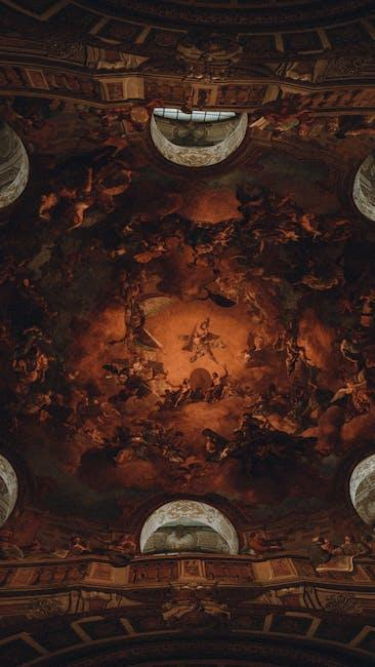
Angels have played a central role in religious and cultural beliefs for centuries, often depicted as celestial beings with wings and a divine presence. But what does a biblical angel actually look like? This question has sparked curiosity and debate among scholars and believers alike. In this article, we will explore the descriptions and interpretations of biblical angels and consider the various depictions found in religious texts and artwork. By examining these sources, we hope to gain a better understanding of the appearance of biblical angels and the significance of their portrayal in different traditions.
Table of Contents
- Description of Biblical Angels
- Physical Appearance of Angels in the Bible
- Symbolism and Meaning of Angelic Imagery in the Bible
- Depictions of Angels in Art and Literature
- Theological Interpretations of Angelic Beings
- Q&A
- In Summary
Description of Biblical Angels
Angels in the Bible: A Closer Look at Their Descriptions
When it comes to the appearance of biblical angels, there is no one-size-fits-all description. The Bible provides various depictions of these celestial beings, each with its own unique attributes and characteristics. While there is no definitive physical representation, several key features are commonly associated with biblical angels based on the descriptions found in the Scriptures.
Common Features of Biblical Angels:
- Wings: Many biblical angels are described as having wings, often with multiple pairs.
- Radiant Glory: Angels are often depicted as emanating a radiant, awe-inspiring light.
- Humanoid Form: While angels are spiritual beings, they are often described as appearing in a humanoid form, resembling humans in some ways.
- Robes and Garments: Angels are often depicted as wearing flowing robes or garments, signifying their celestial nature.
It’s important to note that these descriptions are not exhaustive, and the appearances of angels in the Bible can vary widely depending on the specific context and the message they are meant to deliver. While the physical appearance of biblical angels may be awe-inspiring and mysterious, their primary role is to serve as messengers of God, delivering important revelations and guidance to humanity.
Physical Appearance of Angels in the Bible
Angels are spiritual beings often mentioned in the Bible, depicted as messengers of God. In the Bible, angels are described with varying physical appearances, but some common characteristics are consistently mentioned. These descriptions can be found in both the Old and New Testaments, providing believers with a rough idea of how angels might appear.
According to biblical accounts, angels are typically described as having human-like appearances, often appearing in radiant, dazzling clothing. They are also frequently depicted with wings, emphasizing their ability to move swiftly and serve as messengers from God. Moreover, angels are often described as having a striking, awe-inspiring presence, causing fear and reverence in those they interact with.
In addition, biblical angels are often described as having a glowing, radiant countenance, reflecting their divine nature and connection to God. While the physical appearance of angels varies across different biblical accounts, these common characteristics help paint a vivid image of these celestial beings as they fulfill their roles in carrying out God’s will.
Symbolism and Meaning of Angelic Imagery in the Bible
Angelic imagery in the Bible is often depicted as awe-inspiring and ethereal, capturing the essence of divine messengers. While the Bible does not provide a detailed physical description of angels, it does offer symbolic representations that convey their significance and purpose. In biblical texts, angels are described as radiant beings with powerful wings, often appearing in human form to deliver messages or carry out divine tasks. The imagery of angels reinforces their role as intermediaries between God and humanity, embodying concepts of protection, guidance, and spiritual enlightenment.
The symbolism associated with angelic imagery in the Bible holds deep meaning and significance. As messengers of God, angels are portrayed as beings of pure light and goodness, embodying qualities of purity, holiness, and divine presence. Their appearance is often described as majestic and otherworldly, evoking a sense of reverence and awe. The imagery of angels serves to inspire and uplift, reminding believers of the transcendent nature of the divine and the eternal principles of love and grace. The biblical depiction of angels conveys a sense of comfort and reassurance, offering a tangible representation of God’s presence and divine intervention in the lives of believers.
Depictions of Angels in Art and Literature
In the Bible, angels are described as spiritual beings who act as messengers of God. While the Bible does not provide a physical description of what angels look like, there are several common attributes and characteristics that have been traditionally associated with these divine beings in art and literature.
Common Depictions of Angels:
– Wings: Angels are often depicted with large, feathered wings that symbolize their ability to move between the earthly and heavenly realms.
– Halos: In Christian art, angels are often shown wearing halos, which symbolize their divine nature and their close proximity to God.
– Robes: Angels are typically depicted wearing flowing white robes, which symbolize purity and righteousness.
– Gender-Neutral: While angels are often depicted as male in popular culture, the Bible does not assign a specific gender to these beings, so they are often portrayed as gender-neutral or androgynous.
When artists and writers depict angels, they often draw inspiration from biblical passages that describe angelic encounters, such as the experiences of the prophets Isaiah and Ezekiel. These depictions can vary widely depending on the cultural and artistic traditions of the time and place in which they were created. As a result, the appearance of angels in art and literature can be quite diverse, ranging from majestic, otherworldly beings to more human-like figures with a celestial glow. These diverse depictions reflect the rich and diverse ways in which people have sought to understand and interpret the nature of angels throughout history.
| Angelic Depiction | Description |
|---|---|
| Cherubim | A type of angel often depicted as a small, winged child or baby with a cherubic face. |
| Seraphim | These angels are often depicted with six wings, two covering their faces, two covering their feet, and two for flying. |
Theological Interpretations of Angelic Beings
When it comes to the appearance of biblical angels, there are various interpretations and depictions across different religious traditions. While there is no specific physical description of angels in the Bible, there are some common characteristics and symbols associated with these celestial beings.
One common depiction of biblical angels is that they have wings, often with multiple pairs. This image is widely seen in art, literature, and popular culture, but it’s important to note that the Bible does not explicitly state that angels have wings. Rather, this imagery is symbolic of their role as messengers and their ability to travel between the earthly and heavenly realms.
Another common symbol associated with biblical angels is their radiant and awe-inspiring presence. They are often described as being clothed in white or shining garments, and their appearance is said to inspire fear and wonder in those who encounter them. This depiction underscores the divine and supernatural nature of angels, as messengers and servants of God.
Q&A
Q: What does a biblical angel look like according to the Bible?
A: The Bible does not provide a definitive physical description of angels. However, they are often depicted as having a human-like form with wings and a glowing or radiant appearance.
Q: Are angels always depicted as having wings?
A: While angels are commonly depicted as having wings in art and popular culture, the Bible does not consistently describe them as such. The wings may symbolize their role as messengers and their ability to swiftly carry out God’s will.
Q: Do angels always appear in human form?
A: In the Bible, angels are primarily described as taking on human-like forms when interacting with humans. However, there are instances where they appear in a more supernatural or otherworldly form.
Q: What does the Bible say about the appearance of angels?
A: The Bible often describes angels as having a radiant or glorious appearance, often causing fear or awe in those who encounter them. However, specific physical details are not extensively provided.
Q: How have artistic representations influenced the popular image of angels?
A: Throughout history, artists have depicted angels in various forms, often influenced by cultural and artistic trends. These representations have contributed to the widely recognized image of angels with wings and a divine glow.
Q: Can angels take on different forms?
A: The Bible suggests that angels have the ability to appear in various forms, depending on the purpose of their visitation. In some cases, they may appear as ordinary humans, while in others, they may take on a more celestial form.
In Summary
In conclusion, the appearance of biblical angels is often described as radiant and awe-inspiring, with a sense of strength, purity, and holiness. While their appearance may vary in the Bible, their primary purpose is to deliver messages from God and to serve as messengers of His will. It is important to note that biblical descriptions of angels may be symbolic rather than literal, and that their true nature transcends physical appearances. Nevertheless, the depiction of angels in art and literature has been a source of fascination and inspiration for centuries, reflecting humanity’s enduring curiosity and reverence for these otherworldly beings. As we continue to explore the symbolism and significance of angels in biblical texts, it is ultimately their profound spiritual significance that resonates most deeply with believers.

