



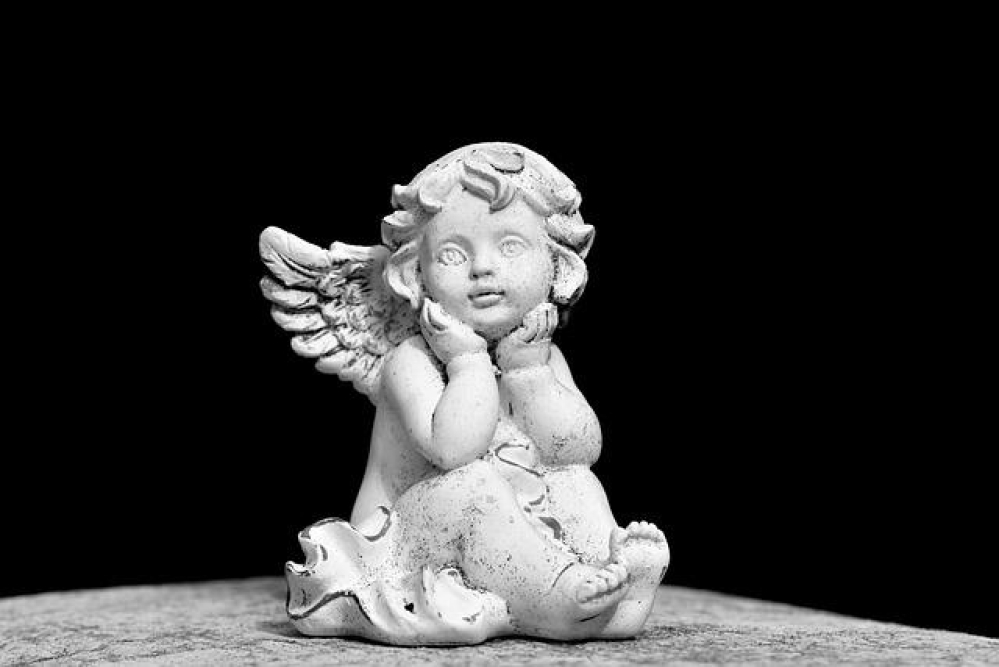
Have you ever wondered what angels really look like? Are they the stereotypical winged creatures we see in paintings and movies, or is there more to their appearance than meets the eye? Let’s delve into the world of angelic beings and explore the different interpretations of their form and appearance. Whether you’re a believer or just curious, this article will shed some light on the age-old question: “What do angels look like
Table of Contents
- – Common depictions of angels in art and literature
- – Physical characteristics associated with angels in different cultures
- - Modern interpretations and representations of angels in popular culture
- – Why the appearance of angels may vary based on individual beliefs and perceptions
- Q&A
- The Conclusion
– Common depictions of angels in art and literature
Angels have been a popular subject in art and literature for centuries, and they are often depicted in various ways. Here are some common depictions of angels in art and literature:
– **Wings**: One of the most iconic features of angels is their wings. They are often portrayed with large, white, feathered wings that represent their ability to move between the earthly and heavenly realms.
- **Halos**: Another common depiction of angels is the halo, a circular glow that surrounds their head. This symbolizes their divine nature and purity.
– **Flowing Garments**: Angels are often shown wearing long, flowing robes or garments that give them a sense of ethereal beauty and grace.
– **Radiant Light**: Angels are often depicted with a glowing, radiant light that emanates from their bodies, symbolizing their celestial nature.
In literature, angels are often described as beings of great beauty, with radiant features and an aura of peace and holiness. They are often portrayed as messengers of God, sent to guide and protect humans in times of need. In art, angels are portrayed in various mediums, from paintings and sculptures to stained glass windows and frescoes, each with its own unique interpretation of what angels look like.
– Physical characteristics associated with angels in different cultures
In various cultures around the world, angels are depicted with distinct physical characteristics. These depictions are often shaped by cultural, religious, and artistic influences. Here are some of the physical characteristics associated with angels in different cultures:
– **Christianity**: In Christianity, angels are often portrayed as winged beings with a luminous appearance and a halo above their heads. They are commonly depicted as youthful and beautiful, often wearing flowing robes. The Bible describes angels as messengers of God, and they are often depicted as having a human-like form with wings.
– **Islam**: In Islam, angels are described as being composed of light and possessing no physical form. However, they are often depicted in art and literature as beautiful, winged beings similar to those in Christian traditions. They are also sometimes portrayed as being androgynous and without specific gender characteristics.
– **Judaism**: In Judaism, angels are often depicted as having a human-like form with wings, similar to Christian depictions. They are said to be genderless and can take on various forms as needed. In some Jewish texts, angels are described as having multiple faces and eyes, symbolizing their all-seeing and all-knowing nature.
– **Hinduism**: In Hinduism, angels are often depicted as celestial beings with many arms and multiple heads, such as the deity Vishnu. These beings are considered divine messengers and guardians, and they are often depicted as radiant and otherworldly.
Other cultures and belief systems also have their own unique depictions of angels, which reflect their individual interpretations and beliefs about these celestial beings. Remember that these representations are often symbolic and should not be taken literally.
– Modern interpretations and representations of angels in popular culture
In modern popular culture, angels are often depicted in a variety of ways, reflecting changing beliefs and attitudes towards these celestial beings. From television shows to literature, angels have been reimagined and reinterpreted, capturing the imagination of audiences worldwide. Some of the modern interpretations and representations of angels in popular culture include:
- Angels in television and film: In recent years, angels have been portrayed in a range of television shows and movies, showcasing different appearances and abilities. From the stoic and powerful archangels of supernatural dramas to the compassionate and relatable angels of romantic comedies, there is no one-size-fits-all portrayal in popular media.
– Angels in literature and art: In literature and art, angels are often depicted as ethereal and otherworldly beings, with wings and radiant halos. However, contemporary authors and artists have also put a new spin on these traditional depictions, exploring diverse forms and characteristics of angels, and challenging conventional perceptions.
– Angels in fashion and design: In the world of fashion and design, angels have become an iconic symbol, appearing on clothing, accessories, and even home decor. These modern representations often draw inspiration from various cultural and religious traditions, blending classic angelic motifs with a contemporary twist.
Overall, the modern interpretations and representations of angels in popular culture reflect our evolving understanding and appreciation of these mystical beings, offering new and refreshing perspectives on what angels might actually look like. Whether in television, literature, art, fashion, or other creative mediums, angels continue to capture our collective imagination, inspiring fresh and imaginative portrayals for audiences of all ages.
- Why the appearance of angels may vary based on individual beliefs and perceptions
There is a wide range of beliefs and perceptions when it comes to the appearance of angels. This can be attributed to various cultural, religious, and individual factors that influence how people perceive these celestial beings. Here are some reasons why the appearance of angels may vary based on individual beliefs and perceptions:
- Cultural Influence: Different cultures have unique depictions of angels, which can vary in terms of physical appearance, dress, and mannerisms. For example, in some cultures, angels are portrayed as winged figures with a human-like appearance, while in others, they may be depicted as ethereal, glowing beings.
- Religious Interpretation: Within different religious traditions, there are diverse interpretations of what angels look like. For instance, in Christianity, angels are often depicted with wings, while in Islam, they are described as genderless androgynous beings.
- Individual Beliefs: Personal beliefs and experiences also play a significant role in shaping how people envision angels. Some individuals may perceive angels as comforting and familiar figures, while others may imagine them as powerful and awe-inspiring beings.
It’s important to recognize and respect the diversity of perspectives when it comes to the appearance of angels. Ultimately, these variations highlight the rich tapestry of human imagination and spirituality, allowing for a more inclusive and nuanced understanding of these mysterious entities.
Q&A
Q: What do angels look like?
A: Angels are typically depicted as human-like figures with wings, although there are various interpretations of their appearance in different cultures and religions.
Q: Do all angels have wings?
A: Not all depictions of angels include wings. In some traditions, angels are described as having a more ethereal or formless presence.
Q: What colors are commonly associated with angels?
A: White and gold are often associated with angels, symbolizing purity and divinity.
Q: Can angels take on different forms?
A: Yes, some belief systems suggest that angels can appear in a variety of forms depending on the situation or the message they are delivering.
Q: Do angels have specific gender or age?
A: Angels are often depicted as genderless and ageless, although they may be given male or female characteristics in some artistic representations.
Q: Are there any specific symbols associated with angels?
A: Some common symbols associated with angels include halos, harps, and trumpets, which are often depicted in religious artwork and literature.
Q: Can angels appear to people in physical form?
A: According to some religious beliefs and personal experiences, angels can manifest in physical form to deliver messages or provide guidance.
The Conclusion
So, next time you’re wondering about what angels look like, just remember that the answer is as different as the beliefs of the people who imagine them. Whether they have wings, halos, or a human appearance, what’s important is the message they convey- one of hope, protection, and guidance. Keep an open mind and remember that angels come in all shapes and sizes, and you may just encounter one when you least expect it. Thanks for reading!

