



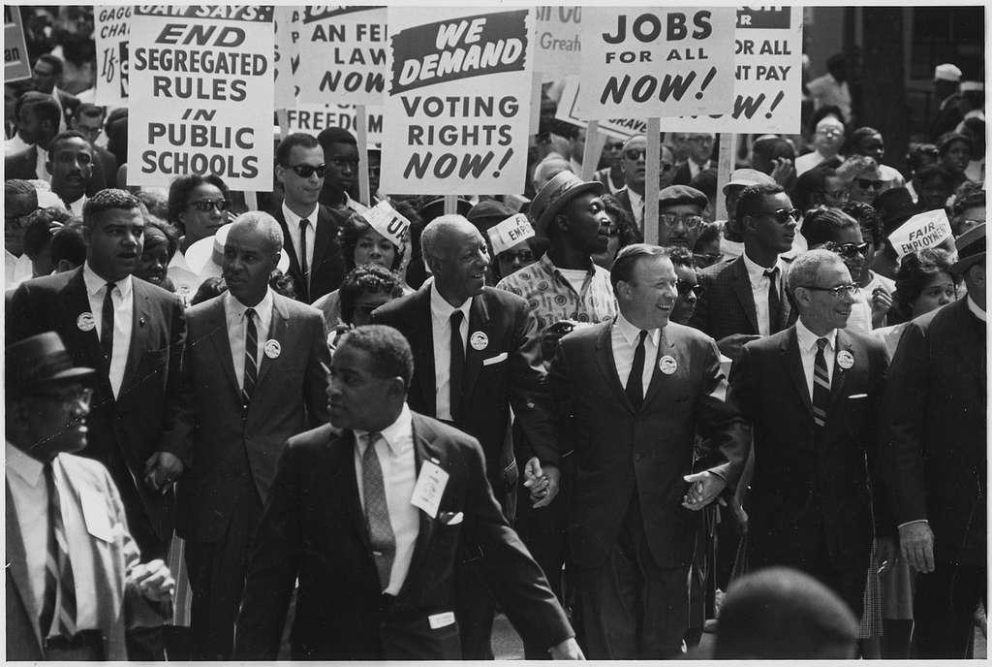
Civil rights organizations play a crucial role in advocating for equal rights and combating discrimination. These groups work tirelessly to ensure that every individual, regardless of race, gender, religion, or sexual orientation, has the opportunity to live and thrive in a fair and just society. They employ a variety of strategies, from lobbying and litigation to education and grassroots organizing, in order to affect change and promote justice. This article will explore the history, mission, and impact of some of the most prominent civil rights organizations in the United States and around the world.
Table of Contents
- The Role of Civil Rights Organizations in Fighting Racism and Discrimination
- The Impact of Grassroots Advocacy on Civil Rights Legislation
- Strategies for Effective Collaboration between Civil Rights Organizations and Government Agencies
- Recommendations for Strengthening Civil Rights Organizations’ Efforts in Promoting Social Justice
- Q&A
- Wrapping Up
The Role of Civil Rights Organizations in Fighting Racism and Discrimination
Civil rights organizations have played a crucial role in advocating for the rights of marginalized communities and fighting against racism and discrimination. These groups work tirelessly to challenge discriminatory laws, policies, and practices, and to promote equality and justice for all. They use various strategies to achieve their goals, including legal action, lobbying, organizing protests and rallies, and educating the public about civil rights issues.
One of the key ways in which civil rights organizations fight racism is by providing legal representation to victims of discrimination. They take on cases involving workplace discrimination, housing discrimination, and other forms of unfair treatment. They also work to challenge laws and policies that disproportionately impact people of color, such as voter suppression laws and discriminatory policing practices.
- Legal Advocacy: Civil rights organizations use the legal system to challenge discriminatory laws and practices, and to seek justice for victims of discrimination.
- Policy Change: They work to change policies at the local, state, and federal levels to promote equality and protect the rights of marginalized communities.
- Community Outreach: These organizations also engage in community outreach and education to raise awareness about civil rights issues and empower individuals to take action.
| Organization | Founded | Key Focus Areas |
|---|---|---|
| NAACP | 1909 | Racial justice, voting rights, criminal justice reform |
| ACLU | 1920 | First Amendment rights, LGBTQ+ rights, racial equality |
| SPLC | 1971 | Fighting hate, teaching tolerance, seeking justice |
Overall, civil rights organizations are vital in the fight against racism and discrimination. They provide a voice for those who may not have the platform or resources to speak out against injustice. Through their dedicated efforts, they help ensure that the principles of equality and justice are upheld for all individuals, regardless of race, ethnicity, or background.
The Impact of Grassroots Advocacy on Civil Rights Legislation
Throughout history, civil rights organizations have played a crucial role in bringing about change in legislation. These organizations often start at the grassroots level, with local activists and community members coming together to advocate for their rights. Through organizing protests, rallies, and campaigns, they are able to raise awareness and put pressure on lawmakers to pass civil rights legislation.
The impact of these advocacy efforts can be seen in the passage of landmark civil rights laws such as the Civil Rights Act of 1964 and the Voting Rights Act of 1965. These laws were the result of years of tireless work by civil rights organizations such as the NAACP, SNCC, and CORE. Their grassroots efforts helped to mobilize public opinion and create a sense of urgency around the need for change.
- The NAACP’s legal victories in the Supreme Court, including Brown v. Board of Education, set the stage for desegregation.
- SNCC’s Freedom Rides and voter registration drives in the South helped to bring national attention to the issue of racial inequality.
- CORE’s use of nonviolent direct action, such as sit-ins and boycotts, demonstrated the power of peaceful protest.
| Organization | Key Contributions |
|---|---|
| NAACP | Legal victories, advocacy work |
| SNCC | Freedom Rides, voter registration |
| CORE | Nonviolent direct action |
Without the grassroots advocacy efforts of civil rights organizations, many of the civil rights protections we take for granted today may not have come to pass. Their work serves as a reminder of the power of collective action and the importance of fighting for justice and equality for all.
Strategies for Effective Collaboration between Civil Rights Organizations and Government Agencies
In order to ensure that civil rights are protected and progress is made towards equality, it is essential for civil rights organizations to collaborate effectively with government agencies. One strategy for effective collaboration is to establish clear communication channels. This can include regular meetings, updates, and collaborative projects that involve both parties. By keeping an open line of communication, both organizations can stay informed about each other’s goals, challenges, and progress.
Another important strategy is to identify common goals and work towards them together. Civil rights organizations and government agencies may have different approaches, but they often share the same ultimate objective of promoting equality and justice. By finding common ground, they can combine their resources and expertise to make a greater impact.
| Common Goal | Civil Rights Organization Role | Government Agency Role |
|---|---|---|
| Combatting Discrimination | Provide legal support and advocacy | Enforce anti-discrimination laws |
| Promoting Voting Rights | Educate and mobilize voters | Protect and expand access to voting |
| Advancing Criminal Justice Reform | Research and propose policy changes | Implement and monitor policy changes |
Finally, it is essential to build trust and respect between civil rights organizations and government agencies. This can be achieved by recognizing and valuing each other’s expertise, being transparent about decision-making processes, and maintaining a commitment to the common goal of advancing civil rights. When trust is established, collaboration becomes more effective and impactful.
Recommendations for Strengthening Civil Rights Organizations’ Efforts in Promoting Social Justice
Civil rights organizations play a crucial role in promoting social justice and equality in society. They work tirelessly to advocate for the rights of marginalized communities, but there are always ways in which they can strengthen their efforts. Here are some recommendations for how civil rights organizations can further their impact:
Firstly, building stronger partnerships with other organizations and community groups can amplify their efforts. By collaborating with other like-minded groups, civil rights organizations can share resources, knowledge, and strategies to tackle social justice issues more effectively. Additionally, forming coalitions can help to create a united front against discrimination and inequality, making their voices heard louder.
Secondly, increasing public awareness about the issues they are fighting for is essential. This can be achieved through public education campaigns, social media outreach, and community events. By educating the public on the importance of civil rights and social justice, organizations can mobilize more people to join their cause and take action.
Finally, investing in leadership development is key to ensuring the sustainability of civil rights organizations. Training and nurturing the next generation of leaders will ensure that the organization has a strong and capable team to continue its important work. Leadership development programs can include mentorship, skill-building workshops, and opportunities for young leaders to take on key roles within the organization.
- Building partnerships with other organizations
- Increasing public awareness through education and outreach
- Investing in leadership development for sustainability
By implementing these recommendations, civil rights organizations can strengthen their efforts in promoting social justice and equality for all.
Q&A
Q: What is a civil rights organization?
A: A civil rights organization is a group that advocates for the protection and promotion of the rights of individuals and groups who have historically faced discrimination and inequality.
Q: What are some examples of civil rights organizations?
A: Some well-known civil rights organizations include the American Civil Liberties Union (ACLU), the National Association for the Advancement of Colored People (NAACP), and the Southern Poverty Law Center.
Q: What do civil rights organizations do?
A: Civil rights organizations work to address and combat various forms of discrimination, such as racial, gender, and LGBTQ+ discrimination. They often engage in activities such as lobbying for legislative change, providing legal representation for individuals and groups facing discrimination, and conducting public education and advocacy campaigns.
Q: Why are civil rights organizations important?
A: Civil rights organizations play a crucial role in advocating for the rights of marginalized and oppressed communities and in holding institutions and individuals accountable for discriminatory practices. They also work to raise awareness and promote the importance of equality and justice in society.
Q: How can individuals support civil rights organizations?
A: Individuals can support civil rights organizations by volunteering, donating, participating in advocacy campaigns, and educating themselves and others about issues related to discrimination and inequality. Additionally, individuals can support policies and legislation that promote equal rights and opportunities for all.
Wrapping Up
In conclusion, civil rights organizations have played a crucial role in advocating for and securing equal rights and opportunities for marginalized communities. Despite the progress that has been made, there is still much work to be done in the fight for social justice and equality. By supporting and getting involved with civil rights organizations, individuals can contribute to the ongoing efforts to create a more just and equitable society for all. It is important to continue to educate ourselves on the issues at hand, and to take action in whatever way we can to support the important work of these organizations. Together, we can work towards a society in which all individuals are afforded the rights and dignity they deserve.

