



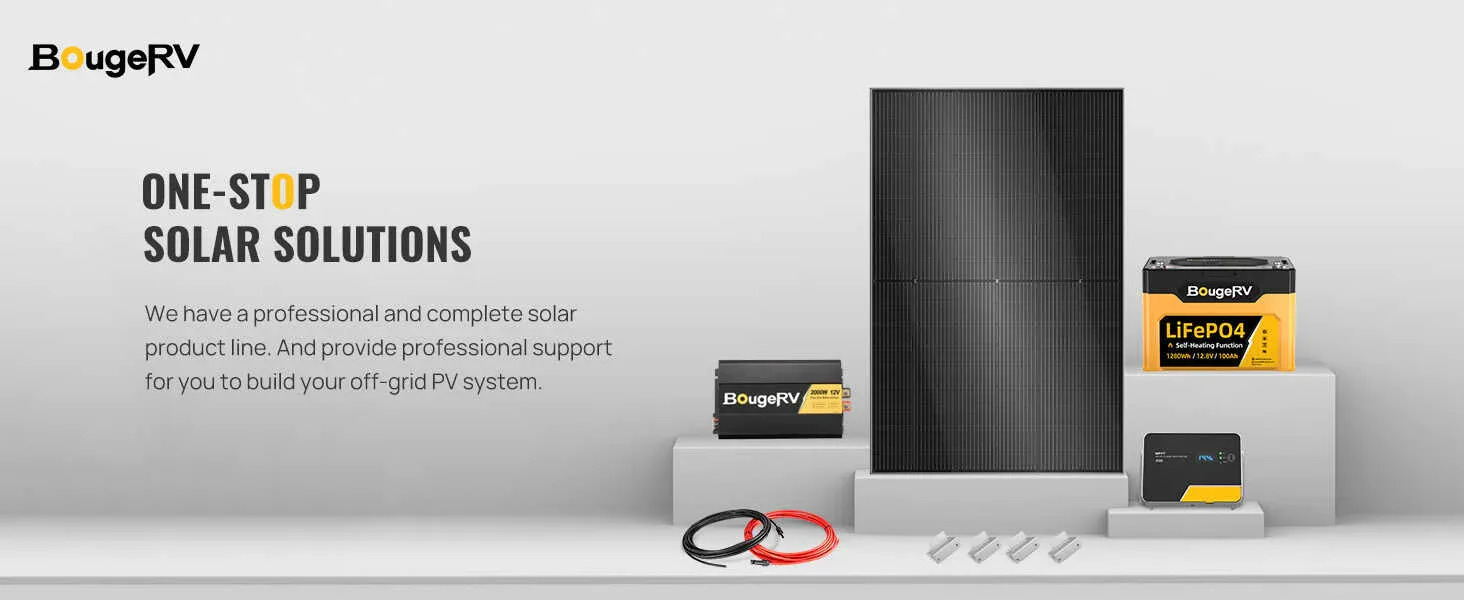
In the realm of renewable energy, solar power stands out for its potential to provide clean, sustainable energy. Central to this potential are the components that make up solar energy systems—particularly, monocrystalline solar panels and solar panel connectors. These elements are pivotal in harnessing solar energy efficiently, making them invaluable in the quest for renewable energy solutions.
Monocrystalline Solar Panels: The Peak of Efficiency
Monocrystalline solar panels are renowned for their superior efficiency and longevity. Crafted from single-crystal silicon, these panels are easily identifiable by their uniform dark color and rounded edges, a testament to the purity and quality of the silicon used. The single-crystal structure allows electrons more freedom to move, resulting in a higher efficiency rate compared to other types of solar panels.
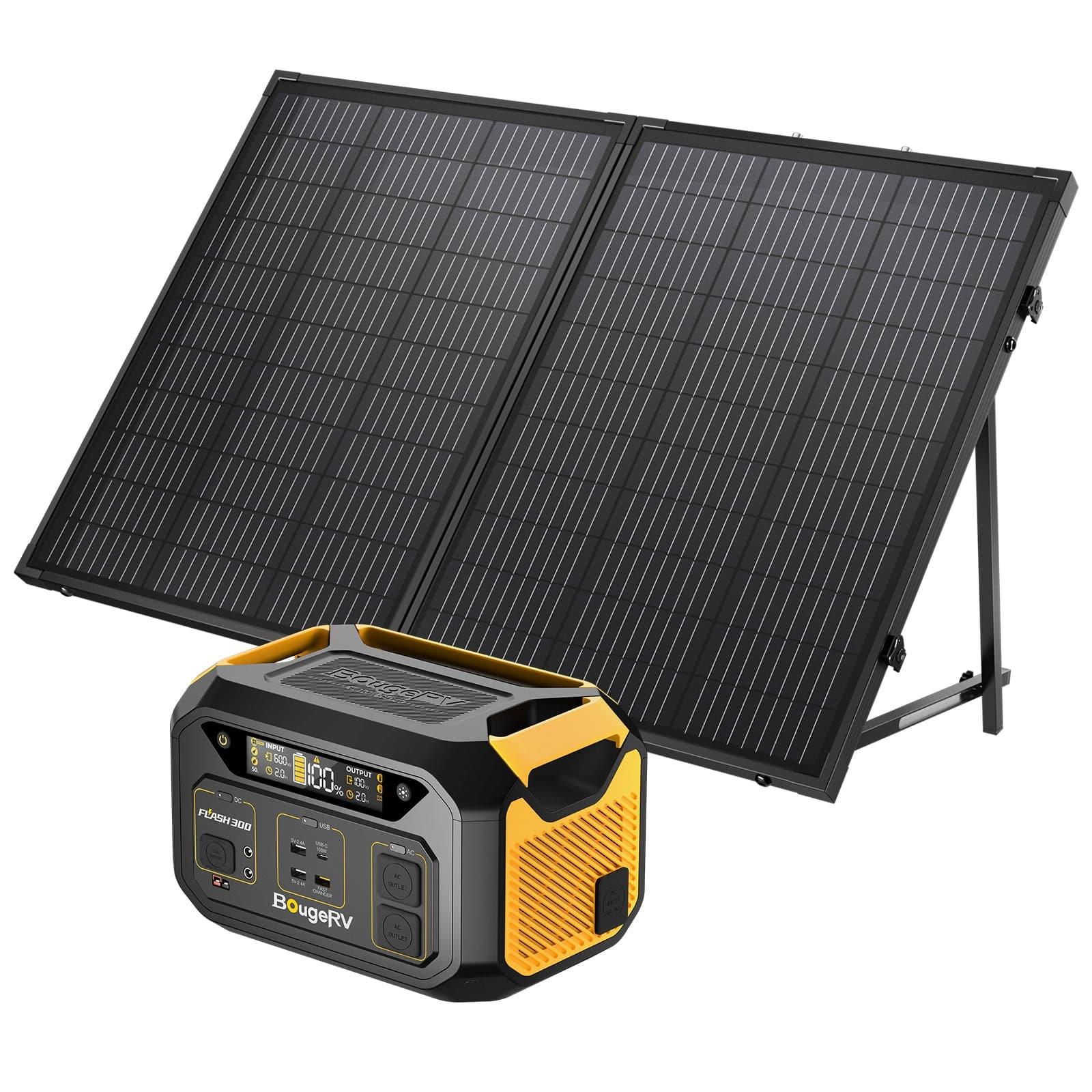
The efficiency of monocrystalline solar panels is one of their most compelling attributes. They can convert more sunlight into electricity than their polycrystalline or thin-film counterparts, making them an excellent choice for areas with limited space. This efficiency also translates into a higher power output, ensuring that users get the most energy possible from their installation.
The Role of Solar Panel Connectors
While monocrystalline panels capture the sun’s energy, solar panel connectors play an equally crucial role in the solar system’s overall efficiency. These connectors ensure the secure and efficient transfer of electric current from the panels to the inverter and, ultimately, into the home or grid. Reliable connectors are vital for minimizing energy loss and maintaining the integrity of the solar energy system under various environmental conditions.
The most commonly used connectors in solar installations are MC4 connectors. They are favored for their durability, waterproofing, and universal compatibility with most solar panels. Choosing high-quality connectors and ensuring proper installation is paramount to maximizing the system’s efficiency and longevity.
Maximizing Solar Efficiency
The synergy between monocrystalline solar panels and reliable connectors cannot be overstated. To maximize solar efficiency, one must not only invest in high-quality panels but also in the connectors that bind the system together. This combination is critical for several reasons:
- Optimal Energy Conversion: High-efficiency monocrystalline panels paired with reliable connectors ensure that more of the sun’s energy is converted into usable electricity.
- System Longevity: Quality components are less likely to degrade or fail, ensuring that the solar system continues to operate at peak efficiency for many years.
- Cost-Effectiveness: While the initial investment may be higher, the long-term savings on energy bills and reduced maintenance costs make it economically advantageous.
Installation and Maintenance
To truly harness the benefits of monocrystalline solar panels and reliable connectors, proper installation and maintenance are key. It is advisable to work with professional installers who have experience with high-quality solar systems. They can ensure that the panels and connectors are correctly installed, positioned, and wired to maximize efficiency and safety.
Regular maintenance further enhances the system’s efficiency. This includes cleaning the panels to remove dust and debris that could block sunlight and checking connectors and wiring for signs of wear or damage.
Conclusion
The ultimate connection in solar technology lies in the combination of monocrystalline solar panels and reliable solar panel connectors. This pairing is fundamental to achieving maximum efficiency and longevity from solar energy systems. As we continue to embrace renewable energy sources, understanding and investing in these key components will be crucial in our journey toward a sustainable energy future.
Together, monocrystalline panels and dependable connectors form the backbone of efficient, reliable solar power systems, making them indispensable in the quest for clean, sustainable energy.
FAQs
Why are monocrystalline solar panels considered more efficient than other types?
A: Monocrystalline solar panels are made from single-crystal silicon, which provides a more uniform and continuous structure for electron movement. This reduces the chances of obstruction in the flow of electricity, leading to higher efficiency rates in converting sunlight into electricity compared to polycrystalline and thin-film solar panels.
What makes solar panel connectors important in a solar system?
A: Solar panel connectors are crucial because they ensure the secure and efficient transfer of electrical current from the solar panels to the inverter and eventually into the home or power grid. High-quality connectors minimize energy loss and protect the system from environmental damage, ensuring reliability and longevity.
Are monocrystalline solar panels worth the investment?
A: Yes, monocrystalline solar panels are worth the investment for several reasons. Although they come with a higher upfront cost, their higher efficiency rates mean they can generate more electricity in a given area than other types of panels. This makes them ideal for locations with limited space. Additionally, their longer lifespan and durability can lead to significant savings on energy bills and maintenance costs over time.

