



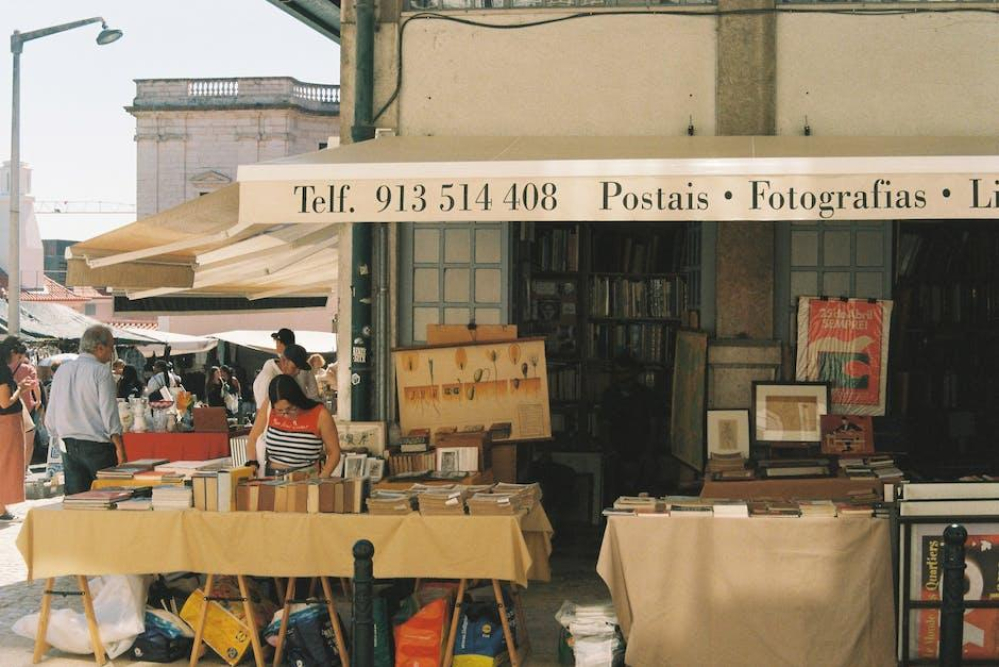
Portugal is a country with a rich and diverse cultural heritage that dates back centuries. From its traditional music and dance to its mouth-watering cuisine and stunning architecture, Portuguese culture has left its mark on the world. In this article, we will explore the various aspects of Portuguese culture, from its historical significance to its modern-day influences, and provide an in-depth look into the vibrant and colorful aspects of this fascinating country.
Table of Contents
- Fado Music: A Soulful Expression of Portuguese Culture
- Cuisine: Exploring the Flavors and Traditions of Portugal
- Carnival: A Colorful Celebration of Portuguese Heritage
- Art and Architecture: Showcasing the Rich History and Creativity of Portugal
- Q&A
- Concluding Remarks
Fado Music: A Soulful Expression of Portuguese Culture
Fado music is an iconic expression of Portuguese culture, known for its soulful and melancholic melodies that capture the essence of the Portuguese soul. With roots dating back to the early 19th century, Fado has deep connections to the city of Lisbon, where it originated, and continues to be an important part of Portuguese identity.
Key aspects of Fado music that represent Portuguese culture include:
- Emotional storytelling through music and lyrics
- Influence of Portuguese folk music and Moorish melodies
- Use of traditional instruments such as the Portuguese guitar
Through its heartfelt expression and emotional depth, Fado music has become a symbol of Portuguese cultural pride and a cherished art form that resonates with people around the world.
Cuisine: Exploring the Flavors and Traditions of Portugal
Portuguese culture is rich in history and tradition, and this is particularly evident in its cuisine. The flavors and ingredients used in traditional Portuguese dishes have been influenced by centuries of exploration and trade, resulting in a unique blend of Mediterranean and Atlantic flavors. From the coastal seafood delicacies to the hearty stews and soups from the inland regions, Portuguese cuisine offers a diverse and delicious array of dishes.
One of the most iconic aspects of Portuguese culture is the tradition of sharing meals with family and friends. This communal dining experience is an integral part of Portuguese life, and it reflects the importance of food as a means of bringing people together. Whether it’s a leisurely Sunday lunch or a festive celebration, the Portuguese take great pride in their culinary traditions and the experience of sharing a meal with loved ones.
Traditional Portuguese Dishes
- Bacalhau: This dried and salted cod dish is a staple in Portuguese cuisine, with countless variations and recipes.
- Caldo Verde: A traditional Portuguese soup made with kale, potatoes, and chorizo, perfect for a comforting and flavorful meal.
Wine and Port
Portugal is also renowned for its wine and port production. With a long tradition of winemaking, Portuguese vineyards produce a variety of unique and delicious wines, perfect for pairing with the flavorful local cuisine.
| Wine Region | Notable Wine |
|---|---|
| Douro Valley | Port wine |
| Alentejo | Red and white wines |
Carnival: A Colorful Celebration of Portuguese Heritage
Portuguese culture is full of vibrant and lively traditions, with the Carnival being a prime example of this. This annual celebration is a colorful and joyous event that showcases the rich heritage of Portugal, dating back centuries. The Carnival is a time for people to come together, dress in elaborate costumes, and take part in parades, music, and dancing.
The Carnival is deeply rooted in Portuguese history and is a testament to the country’s artistic and creative spirit. It is a time when the streets come alive with the sounds of traditional music, the sights of intricate costumes, and the smell of delicious food. The Carnival is not only a celebration of Portuguese culture, but also a time for people to express themselves and embrace their heritage in a spirited and exuberant manner.
Art and Architecture: Showcasing the Rich History and Creativity of Portugal
Portugal is a country with a rich history and a vibrant culture that is showcased through its impressive art and architecture. From ancient monuments to contemporary art installations, Portugal’s artistic heritage reflects the country’s creativity and diversity.
One of the most iconic examples of Portuguese architecture is the Manueline style, characterized by intricate carvings and maritime motifs. The Tower of Belém and the Jerónimos Monastery in Lisbon are stunning examples of this unique architectural style that dates back to the 16th century.
Portugal is also home to a flourishing contemporary art scene, with numerous galleries and museums displaying the work of both established and emerging Portuguese artists. The vibrant street art in Lisbon and Porto adds a modern twist to the country’s artistic landscape, showcasing the creativity and talent of local artists.
Q&A
Q: What are some key aspects of Portuguese culture?
A: Portuguese culture is known for its rich history, traditional Fado music, delicious cuisine, and captivating architecture.
Q: What are some popular traditional dishes in Portuguese cuisine?
A: Some popular traditional dishes in Portuguese cuisine include Bacalhau (dried, salted cod), Caldo Verde (kale soup), and Pastéis de Nata (custard tarts).
Q: Can you explain the significance of Fado music in Portuguese culture?
A: Fado is a traditional genre of music that is deeply rooted in Portuguese culture, often showcasing themes of love, loss, and longing. It is typically performed in intimate settings and is considered a key element of national identity.
Q: What are some unique traditions or customs in Portuguese culture?
A: The Portuguese are known for their strong sense of community and family values. Festivals such as the Festa de São João and the Festa dos Tabuleiros are celebrated with lively street parties and traditional events.
Q: How has Portuguese architecture influenced the country’s culture?
A: Portuguese architecture is characterized by its intricate tile work, colorful buildings, and ornate churches. This style has become synonymous with the country’s cultural identity and is a reflection of its vibrant history and heritage.
Q: What are some important holidays or celebrations in Portuguese culture?
A: Some important holidays in Portuguese culture include Carnaval (Carnival), Easter, and the Festas Juninas (Saint John’s Day celebrations). These holidays are marked by lively festivities, music, and traditional dance.
Concluding Remarks
In conclusion, Portuguese culture is a rich and diverse tapestry of traditions, customs, and values that have been shaped by centuries of history and influences from around the world. From its vibrant music and dance, to its delicious cuisine and strong sense of community, Portugal’s culture continues to captivate and inspire people all over the globe. Whether you are a visitor or a resident, exploring and experiencing Portuguese culture is a rewarding and enlightening endeavor that will leave a lasting impression. So, whether you’re sipping on a glass of port wine, listening to the haunting melodies of fado, or marveling at the stunning azulejo tiles, immerse yourself in the unique and enduring beauty of Portuguese culture.

