



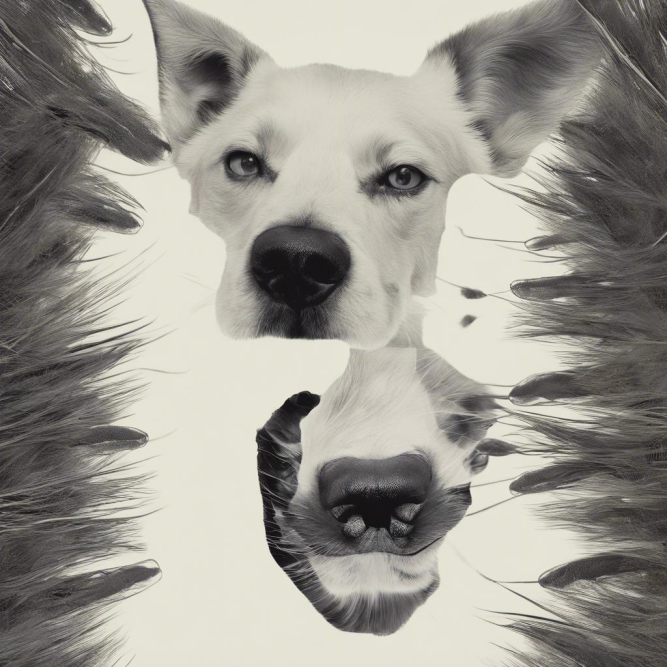
Whiskers, also known as vibrissae, are important sensory organs for dogs, aiding in their perception of their surrounding environment. But what happens when a dog loses its whiskers? Do they grow back? In this article, we will explore the scientific research behind canine whisker regrowth, shedding light on this intriguing aspect of dog biology. Through examining relevant studies and expert opinions, we aim to provide a comprehensive understanding of the regenerative capabilities of dog whiskers.
Table of Contents
- Canine Whiskers: Anatomy and Function
- Understanding Whisker Loss in Dogs
- Factors Affecting Whisker Regrowth
- The Regrowth Process of Dog Whiskers
- Tips for Promoting Whisker Regrowth in Dogs
- Potential Complications in Whisker Regrowth
- Consulting a Veterinarian for Whisker Regrowth Concerns
- Q&A
- Future Outlook
Canine Whiskers: Anatomy and Function
When it comes to dogs, whiskers are a distinctive feature that plays a crucial role in their sensory perception. The anatomy of canine whiskers, also known as vibrissae, differs from the fur on the rest of their body. Whiskers are long, stiff, and deeply rooted in hair follicles, making them highly sensitive to touch and movement. Located on the muzzle, above the eyes, and on the jaw, whiskers are essential tools for dogs to navigate their surroundings and make sense of the world around them.
In terms of function, dog whiskers serve as a sensory mechanism to help them detect changes in their environment. They are incredibly sensitive to vibrations, air currents, and even the slightest touch, allowing dogs to sense objects, navigate through tight spaces, and gauge distances. This heightened sensitivity enables dogs to be more aware of their surroundings and potential dangers, making whiskers a crucial aspect of their sensory perception. Understanding the anatomy and function of canine whiskers sheds light on their importance in a dog’s daily life and how they navigate the world around them.
The ability for dogs to grow their whiskers back after they are cut or damaged is a common question among pet owners. Like other hair follicles on a dog’s body, whiskers have the ability to regrow if they are trimmed or broken. The regrowth process generally takes a few months, and during this time, it is important to allow the whiskers to grow back without any interference. It is advisable not to trim or remove a dog’s whiskers unless it is necessary for medical reasons, as whiskers are essential for their sensory perception and overall well-being. Understanding the regrowth process of dog whiskers underscores their significance in a dog’s life and the importance of preserving their natural sensory abilities.
Understanding Whisker Loss in Dogs
Whisker Regrowth in Dogs
Dogs are known for their adorable whiskers, which serve various sensory functions such as detecting changes in the environment, aiding in navigation, and enhancing their overall spatial awareness. But what happens when a dog loses its whiskers? Do they grow back? This article aims to shed light on the phenomenon of whisker loss in dogs and whether or not these specialized hairs have the ability to regrow.
Whisker loss in dogs can occur due to a variety of reasons, including normal shedding, accidental trimming, or medical conditions. While it may be distressing for pet owners to see their furry companions without their characteristic whiskers, the good news is that whiskers do grow back. Just like the hair on the rest of their body, whiskers go through a cycle of growth, rest, and shedding. With proper care and nutrition, dogs can regrow their whiskers over time. It’s important to provide a healthy diet, regular grooming, and a stress-free environment to support the regrowth of whiskers in dogs.
Factors Affecting Whisker Regrowth
Whiskers, also known as vibrissae, are specialized hairs that serve as a dog’s touch receptors, helping them navigate their surroundings with precision. The regrowth of whiskers in dogs is influenced by several factors, including genetics, age, and overall health. Below, we explore these factors in more detail:
Genetics: Just like with hair and other bodily attributes, genetics play a significant role in determining the rate and quality of whisker regrowth in dogs. Some breeds may naturally have faster or slower regrowth rates than others, and individuals within the same breed can also display variations in whisker growth patterns.
Age: The age of a dog can impact their whisker regrowth capabilities. Puppies and younger dogs may experience quicker whisker regrowth compared to older dogs. However, as a dog ages, the regrowth process may slow down, and the quality of the whiskers may diminish.
Overall Health: A dog’s overall health and well-being can directly affect the regrowth of their whiskers. Nutritional deficiencies, skin conditions, and systemic illnesses can all hinder the regrowth of whiskers. Conversely, a healthy diet, regular grooming, and proper veterinary care can contribute to healthy whisker regrowth.
In conclusion, understanding the factors that affect whisker regrowth in dogs can help pet owners better care for their furry companions. By considering genetics, age, and overall health, pet owners can take proactive steps to support the regrowth of their dog’s whiskers and ensure their continued sensory function.
The Regrowth Process of Dog Whiskers
When a dog loses its whiskers, it can be a cause for concern for many pet owners. However, the good news is that dog whiskers do indeed go through a regrowth process. Whiskers, also known as vibrissae, are a vital part of a dog’s sensory system, allowing them to navigate their environment and detect potential danger. Therefore, understanding can be important for the overall health and wellbeing of your furry friend.
The regrowth of dog whiskers follows a natural cycle, similar to that of other hairs on the body. Once a whisker is lost, it will enter a resting phase before the regrowth process begins. This phase can last for several weeks, during which time new whiskers will slowly start to emerge. While the regrowth process may vary from dog to dog, it is important to provide a healthy diet and a stress-free environment to support the growth of new whiskers. Additionally, avoiding any unnecessary trimming or pulling of whiskers can help facilitate the regrowth process.
Tips for Promoting Whisker Regrowth in Dogs
It is a common concern for dog owners to wonder whether their canine companions can grow their whiskers back if they are damaged or trimmed. The good news is that yes, dogs can regrow their whiskers. Whiskers, also known as vibrissae, are highly sensitive touch receptors that play a crucial role in a dog’s sensory perception. They serve as important tools for dogs to navigate and understand their surrounding environment. When a dog’s whiskers are damaged or trimmed, they will naturally regrow over time.
To promote whisker regrowth in dogs, it is important to provide the necessary care and support for their whiskers. Here are some :
- Ensure a balanced diet: Proper nutrition is essential for overall health, including the growth of whiskers. Make sure your dog’s diet includes essential nutrients such as vitamins A, C, and E, as well as protein and Omega-3 fatty acids, which are all important for healthy hair growth.
- Avoid trimming: Refrain from trimming your dog’s whiskers, as this can disrupt the natural growth cycle and potentially cause damage to the follicles.
- Reduce stress: Stress can affect the overall health of your dog, including the growth of whiskers. Provide a calm and safe environment for your dog to help promote whisker regrowth.
- Maintain a clean environment: Keeping your dog’s living space clean and free from potential hazards can help prevent damage to their whiskers and promote healthy regrowth.
By following these tips, you can help support and promote whisker regrowth in your dog, ensuring that they have the sensory tools they need to navigate their world effectively.
Potential Complications in Whisker Regrowth
One potential complication in whisker regrowth in dogs is the risk of ingrown hairs. When new whiskers begin to grow back, there is a chance that they may curl and grow into the skin, causing discomfort and potential infection. It’s essential to monitor the regrowth process closely to ensure that the whiskers are growing in the right direction and not causing any issues for the dog.
Another potential complication is the uneven regrowth of whiskers. While some whiskers may grow back at a normal rate, others may take longer to regrow or may not grow back at all. This can result in an asymmetrical appearance and may impact the dog’s ability to navigate its environment accurately. It is essential to be patient during the regrowth process and seek veterinary advice if there are concerns about the uneven regrowth of whiskers.
- Ingrown hairs
- Uneven regrowth
It’s important to note that patience is key when it comes to whisker regrowth in dogs. The process may take time and may not always result in a perfect regrowth. Monitoring the regrowth process and seeking veterinary advice if there are any concerns is crucial for ensuring the health and well-being of the dog.
Consulting a Veterinarian for Whisker Regrowth Concerns
Dogs, like humans, can experience whisker loss due to various reasons such as aging, stress, or physical trauma. Whiskers, also known as vibrissae, serve an important sensory function for dogs, aiding in their navigation and detection of objects and movements in their environment. While it is natural for whiskers to fall out and regrow, dog owners may become concerned if they notice prolonged absence of whiskers or slow regrowth.
If you notice that your dog is not regrowing their whiskers, it is important to consult a veterinarian to rule out any underlying health issues. A veterinarian can examine the dog and provide guidance on potential causes of whisker loss and slow regrowth. Additionally, they can offer advice on how to support whisker regrowth and recommend any necessary treatments or dietary changes.
Q&A
Q: Do dogs grow their whiskers back?
A: Yes, dogs do grow their whiskers back. Whiskers, also known as vibrissae, are deeply embedded in a dog’s skin and serve as a sensory tool. They are much thicker and stiffer than regular hair and are connected to the nervous system, providing important sensory information to the dog about their surroundings. When a whisker is damaged or broken, it will eventually fall out, leading many owners to wonder if they will grow back.
After a whisker falls out, a new one will grow in its place. The process of regrowth can take several weeks or even months, as whiskers can have a longer growth cycle than regular hair. It’s important to note that a dog’s whiskers should not be trimmed or plucked, as they play a crucial role in the dog’s perception of their environment. They should be left to naturally shed and regrow. It is advised to consult a veterinarian before attempting any grooming practices on a dog’s whiskers to ensure the dog’s well-being.
Research:
According to a study published in the Journal of Anatomy, the vibrissae play an important role in the dog’s ability to navigate and perceive their environment. The study found that the whiskers are sensitive to vibrations, air currents, and even small changes in air pressure, allowing the dog to effectively “feel” their surroundings. This emphasizes just how crucial whiskers are to a dog’s sensory perception and why it’s important to allow them to naturally grow back after falling out.
Future Outlook
In conclusion, the regrowth of whiskers in dogs is a natural and important process that aids in their sensory perception and overall well-being. While the rate of regrowth may vary among individual dogs, it is generally observed that whiskers will grow back over time. Further research into the regenerative capabilities of whiskers in dogs may provide valuable insights into their sensory functions and potential implications for their health and welfare. We hope this article has shed light on the fascinating biology of dog whiskers and their remarkable ability to regrow. Thank you for reading and stay tuned for more developments in this field of study.

