



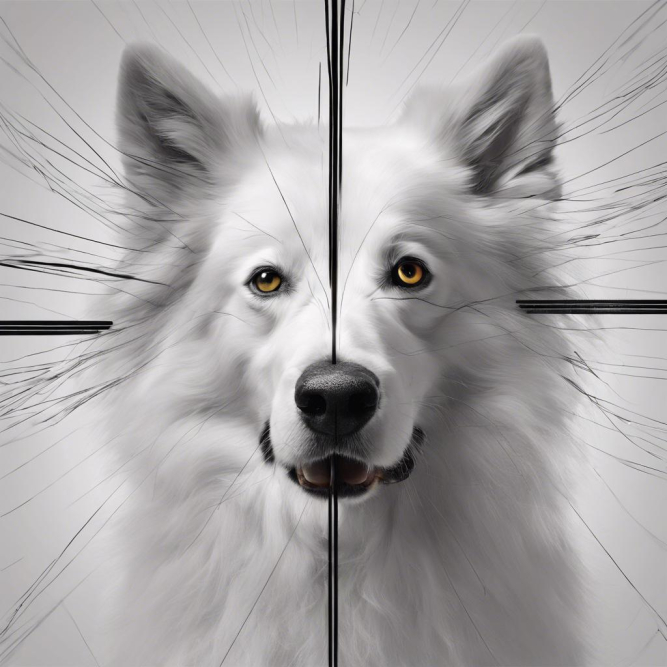
The intricate sensory system of dogs is highly dependent on their tactile whiskers, or vibrissae. These specialized hairs play a crucial role in guiding a dog’s movements and detecting changes in their environment. As such, any abnormalities in the condition of a dog’s whiskers can have significant implications for their sensory perception and overall well-being. In this article, we will explore the causes and potential consequences of dog whiskers falling out, drawing upon current research in the field to shed light on this intriguing phenomenon.
Table of Contents
- The Function of Dog Whiskers
- The Causes of Dog Whiskers Falling Out
- The Importance of Dog Whiskers for Canine Sensory Perception
- The Regrowth Process of Dog Whiskers
- Recommendations for Helping Dog Whiskers Grow Back
- Preventative Measures to Keep Dog Whiskers Healthy
- The Role of Dog Whiskers in Canine Communication
- Q&A
- Key Takeaways
The Function of Dog Whiskers
Dog whiskers, also known as vibrissae, serve an important function in helping dogs navigate their environment. These specialized hairs are deeply rooted in the dog’s body and are surrounded by nerve endings, making them incredibly sensitive to the slightest touch or movement. The primary function of dog whiskers is to provide sensory information to the dog about the surrounding objects and environment, helping them to gauge distances, detect changes in the airflow, and navigate in low light conditions. In addition to this, dog whiskers also play a crucial role in assisting dogs in hunting and tracking prey.
While dog whiskers are important for their sensory function, it is also essential to understand that dog whiskers do fall out naturally as a part of the normal shedding process. Dogs shed their old whiskers and grow new ones on a regular basis, just like they shed their fur. However, if you notice an excessive amount of dog whiskers falling out, it may be a sign of an underlying health issue, such as stress, nutritional deficiencies, or skin conditions. In such cases, it is crucial to consult with a veterinarian to rule out any potential health concerns.
The Causes of Dog Whiskers Falling Out
Dog whiskers, also known as vibrissae, serve an important sensory function for dogs. They are deeply rooted in the dog’s skin and are rich in nerve endings, which makes them highly sensitive to touch, air currents, and other environmental stimuli. When a dog’s whiskers start falling out, it can be a cause for concern for pet owners, as it may indicate an underlying health issue or a change in the dog’s environment.
There are several potential causes of dog whiskers falling out, including:
- Normal Shedding: Just like a dog’s fur, whiskers can go through a natural shedding process. This is usually nothing to worry about, as new whiskers will grow in to replace the old ones.
- Physical Trauma: If a dog’s whiskers are accidentally trimmed or pulled out, it can take some time for them to grow back.
- Stress or Anxiety: Dogs can sometimes experience stress or anxiety, which may lead to the shedding of whiskers. This can be caused by changes in the dog’s environment, routine, or interactions with other pets or people.
- Medical Conditions: Certain medical conditions, such as skin infections or hormonal imbalances, can also cause whisker loss in dogs.
The Importance of Dog Whiskers for Canine Sensory Perception
Dog whiskers, also known as vibrissae, may seem like a small and insignificant part of a canine’s body, but they play a crucial role in a dog’s sensory perception. Whiskers are deeply rooted in a dog’s skin and are well-supplied with nerves, making them extremely sensitive to touch, vibration, and changes in the surrounding environment. They serve as sensory receptors, providing dogs with essential information about their surroundings, detecting objects, and helping them navigate their environment, especially in low-light conditions.
The importance of dog whiskers cannot be overstated, as they are instrumental in helping dogs detect potential dangers, such as narrow passages, obstacles, and prey, allowing them to navigate their surroundings with precision and accuracy. Whiskers also assist in maintaining a dog’s spatial awareness, helping them to judge distances and detect subtle movements in their environment. Furthermore, dog whiskers are deeply embedded in the hair follicles, allowing them to sense changes in airflow and subtle vibrations, providing dogs with critical information about their surroundings.
In conclusion, the sensory function of dog whiskers is indispensable for a canine’s survival and well-being. Pet owners should be mindful of the importance of their dog’s whiskers and ensure that they are not inadvertently causing harm to them. If you notice your dog’s whiskers falling out or becoming damaged, it is essential to consult a veterinarian to address any underlying health issues and ensure that your dog’s sensory perception remains uncompromised.
The Regrowth Process of Dog Whiskers
When dog owners notice their pet’s whiskers falling out, it can be a cause for concern. However, it’s important to understand that is a natural occurrence. Whiskers, also known as vibrissae, play a crucial role in helping dogs navigate their environment and sense danger. Like all hair, whiskers go through a regrowth cycle, and understanding this process can help alleviate any worries about a dog losing its whiskers.
Similar to human hair, dog whiskers go through a growth phase, a rest phase, and a shedding phase. begins with the growth phase, during which new whiskers emerge. These whiskers are highly sensitive and are instrumental in helping dogs detect changes in their surroundings. As the whiskers reach their maximum length, they enter the rest phase, where they stop growing but remain in place, providing sensory information to the dog. Finally, the shedding phase occurs, where the old whiskers fall out to make way for new ones.
Recommendations for Helping Dog Whiskers Grow Back
Dog whiskers are an important sensory tool for canines, helping them navigate their surroundings and communicate with other animals. The loss of dog whiskers can occur due to several reasons, including trauma, stress, illness, or natural shedding. If you notice your dog’s whiskers falling out, it’s essential to take steps to promote regrowth and ensure their well-being.
Here are some recommendations for helping your dog’s whiskers grow back:
– **Proper Nutrition**: Ensure your dog is receiving a balanced diet that includes essential nutrients such as vitamins A, C, and E, as well as omega-3 fatty acids. These nutrients support overall skin and hair health, which includes whiskers.
– **Reduce Stress**: Dogs, like humans, can experience stress which can lead to hair loss, including whiskers. Create a calm and safe environment for your dog, provide plenty of exercise and mental stimulation, and consider using calming aids such as pheromone diffusers or calming supplements.
– **Gentle Handling**: Avoid excessive handling or pulling on your dog’s whiskers, as this can cause damage and inhibit regrowth. Gently groom your dog, and be mindful of their sensitive whiskers when trimming or shaping their facial hair.
In addition to these recommendations, it’s important to consult with a veterinarian if you notice prolonged or excessive whisker loss in your dog. They can help identify any underlying health issues and provide tailored advice for promoting whisker regrowth. By taking proactive steps and providing proper care, you can support your dog’s whiskers to grow back healthily.
Preventative Measures to Keep Dog Whiskers Healthy
Dog whiskers are an important sensory tool for our furry friends, helping them navigate their surroundings and detect potential dangers. However, just like human hair, dog whiskers can become damaged or fall out, affecting their ability to perceive the world around them. It’s important to take preventative measures to keep your dog’s whiskers healthy and intact.
One way to prevent dog whiskers from falling out is to avoid trimming or cutting them. Whiskers serve as a vital tool for dogs, helping them navigate their environment, and cutting them can cause discomfort and disorientation. Additionally, keeping your dog’s whiskers clean and free of debris can help prevent them from becoming damaged or infected. Regularly checking and cleaning your dog’s whiskers can help maintain their health and prevent them from falling out prematurely.
Incorporating a balanced diet rich in essential nutrients can also contribute to the overall health of your dog’s whiskers. Nutrients such as vitamins A, E, and Biotin play a crucial role in maintaining healthy hair, including whiskers. Ensuring that your dog’s diet is well-balanced and includes these essential nutrients can help promote healthy whisker growth and prevent them from falling out. Additionally, minimizing exposure to harsh chemicals and pollutants can also help preserve the health of your dog’s whiskers. By taking these preventative measures, you can help keep your dog’s whiskers healthy and intact, allowing them to fully engage with their surroundings.
The Role of Dog Whiskers in Canine Communication
is a fascinating aspect of their anatomy. Dog whiskers, also known as vibrissae, are actually highly sensitive touch receptors that play a crucial role in a dog’s ability to navigate and communicate with the world around them. While many people may not realize the significance of these seemingly inconspicuous hairs, dog whiskers are vital for a dog’s spatial awareness, navigation, and social communication.
One of the main functions of dog whiskers is to provide sensory information about the environment. These specialized hairs are deeply embedded in the dog’s skin and are innervated by sensory nerves, allowing them to detect even the slightest changes in air currents. This enables dogs to have a heightened sense of spatial awareness, which is particularly useful when navigating in low-light conditions or unfamiliar environments. In addition to aiding in spatial awareness, dog whiskers also play a crucial role in communication between dogs. When two dogs interact, they often use their whiskers to gauge each other’s emotional state and intentions, helping to prevent potential conflicts and fostering social cohesion within their pack.
In conclusion, dog whiskers are not just mere hairs on a dog’s face – they are highly specialized touch receptors that enable dogs to navigate, communicate, and interact with their environment and other dogs effectively. Understanding the importance of dog whiskers sheds light on the remarkable sensory abilities of our canine companions and enhances our appreciation for their complex communication skills. Whether a dog’s whiskers fall out naturally or due to a medical condition, it’s essential to recognize the significance of these specialized hairs and their role in a dog’s overall well-being.
Q&A
Q&A: Dog Whiskers Falling Out
Why are my dog’s whiskers falling out?
Dog whiskers, also known as vibrissae, serve as a sensory organ for dogs. They are deeply rooted in the dog’s skin and are connected to sensitive nerves, making them crucial for the dog’s spatial awareness and ability to navigate their environment. Whiskers can fall out naturally and regrow, similar to other hairs on the dog’s body. However, if you notice an unusual amount of whiskers falling out, it could be a sign of an underlying issue such as stress, poor nutrition, or a skin condition. It is important to monitor your dog’s whisker loss and consult with a veterinarian if you have concerns about their health.
Can I help prevent my dog’s whiskers from falling out?
While some whisker loss is normal, there are steps you can take to promote healthy vibrissae in your dog. Ensuring your dog’s diet is balanced and providing them with high-quality food can help maintain the health of their whiskers. Regular grooming and proper hygiene can also contribute to the overall health of your dog’s vibrissae. Additionally, minimizing your dog’s exposure to stress and providing them with a safe and comfortable environment can help prevent excessive whisker loss.
What should I do if I notice my dog’s whiskers are falling out?
- Monitor the situation: Keep track of the amount of whiskers falling out and look for any signs of discomfort or unusual behavior in your dog.
- Consult with a veterinarian: If you are concerned about your dog’s whisker loss, it is important to seek professional advice from a veterinarian who can assess your dog’s overall health and determine if there is an underlying issue causing the whisker loss.
- Address any potential contributing factors: If your veterinarian identifies an underlying issue contributing to the whisker loss, follow their recommendations for treatment and management to help your dog maintain healthy whiskers.
Research:
McGreevy, P., & Boakes, R. (2007). Carriage of olfactory stimuli via vibrissae. METACOGNITION AND COGNITIVE DEVELOPMENT: CROSSTALK, 11-37.
Key Takeaways
In conclusion, the shedding of dog whiskers is a natural and normal process that occurs as a part of the overall shedding of fur. While it may be alarming for pet owners to notice their dog’s whiskers falling out, it is important to understand that this is a natural occurrence and does not typically indicate any underlying health concerns. However, if a dog experiences a sudden and significant loss of whiskers, it is advisable to consult a veterinarian to rule out any potential health issues. Overall, the shedding of a dog’s whiskers is a fascinating and natural phenomenon that is just one of the many enigmatic aspects of canine biology. Further research in this area may provide valuable insights into the role and function of whiskers in dogs.

