



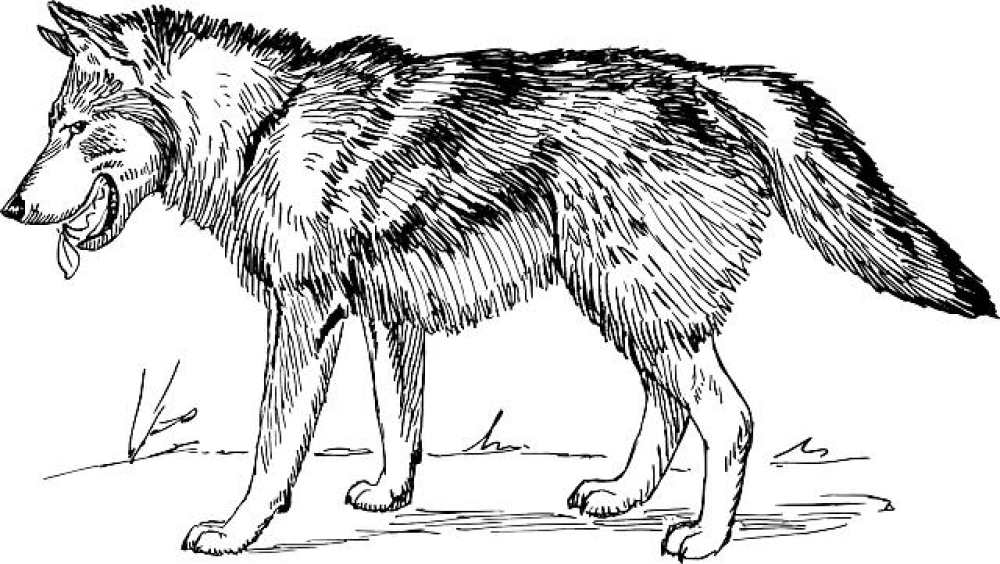
In order to understand whether dogs can regrow whiskers, it is essential to delve into the intricate biological processes that govern the growth and shedding of these specialized sensory hairs. Whiskers play a critical role in a dog’s perception of the world around them, making it a topic of interest for both pet owners and researchers alike. By examining the scientific evidence and mechanisms behind whisker growth, we can uncover the truth behind the question: can dogs regrow their whiskers
Table of Contents
- The Science Behind Dog Whiskers and Regrowth
- Understanding the Function of Dog Whiskers
- Factors Affecting Whisker Regrowth in Dogs
- Tips for Supporting Healthy Whisker Regrowth in Dogs
- Consulting a Veterinarian for Whisker Regrowth Concerns
- Q&A
- Closing Remarks
The Science Behind Dog Whiskers and Regrowth
Dog whiskers are more than just cute facial features; they serve a significant purpose in a dog’s sensory perception. They are highly sensitive and play a critical role in a dog’s ability to navigate their surroundings. Whiskers are deeply rooted in a dog’s skin and are connected to nerve endings, making them extremely sensitive to touch.
When it comes to regrowth, dog whiskers follow a similar process to the regrowth of other types of hair. If a dog loses their whiskers due to injury or natural shedding, they will typically grow back on their own. However, the regrowth process may vary from dog to dog. Factors such as age, breed, and overall health can play a role in the speed and quality of whisker regrowth.
The regrowth process of dog whiskers can take several weeks to months, and during this time, pet owners should be mindful to not trim or pluck any remaining whiskers. Additionally, they should ensure their dog’s overall health and nutrition are being well taken care of to support the regrowth of their whiskers. **Proper grooming and regular check-ups with a veterinarian can also support the healthy regrowth of whiskers.**
| Canine Whiskers Facts | |
|———————– |——-|
| – Canine whiskers are also known as vibrissae |
| – They are deeply rooted in a dog’s skin and connected to nerve endings |
| – Whiskers serve as a sensory tool, helping dogs navigate their environment |
In conclusion, while dog whiskers do have the ability to regrow, it is important for pet owners to monitor their dog’s overall health and provide proper care to support the regrowth process. Understanding the science behind dog whiskers and their regrowth can help pet owners ensure that their furry friends are well taken care of and comfortable in their surroundings.
Understanding the Function of Dog Whiskers
Whiskers, also known as vibrissae, are specialized hairs that are deeply rooted in a dog’s skin. These long, stiff hairs are incredibly sensitive and are embedded in a complex network of nerves, making them an important sensory tool for dogs. It is essential to understand the function of dog whiskers to better appreciate their significance.
Can dogs regrow whiskers? No, dogs cannot regrow their whiskers once they are broken or cut. Whiskers serve as a vital sensory organ for dogs, helping them navigate their surroundings, detect nearby objects, and even sense changes in the air. A dog’s whiskers can even provide information about the size, shape, and speed of nearby objects, enhancing their overall spatial awareness. While whiskers may appear to be just ordinary hairs, they play a crucial role in a dog’s everyday life.
Factors Affecting Whisker Regrowth in Dogs
Whiskers are an essential sensory tool for dogs, helping them navigate their surroundings and detect potential dangers. The regrowth of whiskers in dogs is a natural process, but several factors can affect the rate and quality of regrowth. Understanding these factors can help dog owners better care for their pets and ensure their whiskers are healthy and fully functional.
One of the primary is genetics. Just like with hair and fur, genetics play a significant role in determining the length, thickness, and color of a dog’s whiskers. Some breeds are genetically predisposed to have longer and thicker whiskers, while others may naturally have shorter and finer whiskers. Additionally, age can also influence whisker regrowth. As dogs age, the rate of regrowth may slow down, and the quality of the whiskers may deteriorate.
- Genetics
- Age
- Health and Nutrition
- Stress and Anxiety
Another crucial factor in whisker regrowth is the dog’s overall health and nutrition. A balanced diet rich in essential vitamins and nutrients is essential for promoting healthy whisker regrowth. Nutrient deficiencies can lead to brittle and slow-growing whiskers. Additionally, stress and anxiety can also impact whisker regrowth in dogs. Dogs experiencing high levels of stress may exhibit slow or stunted whisker regrowth, so it’s vital to provide a calm and comfortable environment for your pet to support whisker health.
Tips for Supporting Healthy Whisker Regrowth in Dogs
Dogs use their whiskers to navigate and sense their environment. Whiskers are touch-sensitive hairs called vibrissae, which are deeply embedded in the dog’s skin and are connected to the nervous system. While whiskers can shed and regrow naturally, supporting healthy whisker regrowth in dogs is important for maintaining their sensory abilities.
There are several tips you can follow to support healthy whisker regrowth in dogs:
- Provide a balanced diet: Ensure your dog’s diet includes essential nutrients such as vitamins A, E, and B vitamins, as well as fatty acids, to promote overall skin and hair health.
- Minimize stress: Stress can affect a dog’s overall well-being, including their hair growth. Create a calm and nurturing environment for your dog to minimize stress.
- Gentle grooming: Avoid overly vigorous grooming that may damage or pull out whiskers. Use gentle grooming tools and techniques to maintain your dog’s coat and whiskers.
| Dietary Nutrients | Stress Management | Gentle Grooming |
| Vitamins A, E, and B | Create a calm environment | Use gentle grooming tools |
| Fatty acids | Avoid vigorous grooming |
By implementing these tips and ensuring your dog receives proper care and nutrition, you can support healthy whisker regrowth and help maintain your dog’s sensory abilities.
Consulting a Veterinarian for Whisker Regrowth Concerns
Whiskers, also known as vibrissae, are an important sensory organ for dogs. They help them navigate their surroundings and detect changes in the environment. If you’ve noticed that your dog’s whiskers are not regrowing as they should, it’s natural to be concerned. While whiskers do have the ability to regrow, is essential to ensure that there are no underlying health issues causing the lack of whisker growth.
There are several reasons why a dog’s whiskers may not be regrowing at the usual rate. These can include trauma or injury to the whiskers, underlying health issues, or a natural shedding and regrowth cycle. By consulting a veterinarian, you can determine the cause of the issue and take appropriate steps to address it.
- is essential to rule out any underlying health issues.
- A veterinarian will be able to assess the dog’s overall health and determine if there are any underlying issues affecting whisker regrowth.
- If the lack of whisker regrowth is due to trauma or injury, a veterinarian can provide the necessary treatment and advice for promoting regrowth.
Q&A
Q: Can dogs regrow their whiskers if they are cut or damaged?
A: Yes, dogs can regrow their whiskers if they are cut or damaged. Whiskers, also known as vibrissae, are highly sensitive and play a crucial role in a dog’s sensory perception. When damaged, the follicles of the whiskers can regenerate and produce new ones.
Q: How long does it take for a dog’s whiskers to regrow?
A: The regrowth of whiskers in dogs can vary depending on the individual and the extent of the damage. Typically, it can take several weeks to months for new whiskers to grow back to their original length.
Q: Are there any potential health issues if a dog’s whiskers are repeatedly cut?
A: Cutting a dog’s whiskers can disrupt their ability to navigate their surroundings effectively and can lead to sensory deprivation. Furthermore, repeated damage to the whiskers can cause discomfort and potentially impact a dog’s overall well-being.
Q: Can owners help facilitate the regrowth of their dog’s whiskers?
A: While the regrowth of whiskers is a natural process, owners can help facilitate the process by ensuring their dog is receiving a balanced diet that supports healthy hair growth. Additionally, providing a stimulating environment for the dog to explore and use their senses can also aid in the regrowth of whiskers.
Q: Are there any circumstances in which a dog’s whiskers may not regrow?
A: In some cases, if the damage to the whiskers is severe or if there are underlying health issues, regrowth may be slow or incomplete. It’s essential to monitor the regrowth process and consult a veterinarian if there are concerns about the health of a dog’s whiskers.
Closing Remarks
In conclusion, while dogs cannot regrow their whiskers in the same way that they can with their fur, whiskers can naturally fall out and be replaced over time. It is important to understand the importance of whiskers in a dog’s sensory perception and to handle them with care. If you notice excessive or abnormal loss of whiskers, it is best to consult with a veterinarian to rule out any underlying health issues. Understanding the role of whiskers in a dog’s daily life can help us better care for and appreciate our furry companions.

