



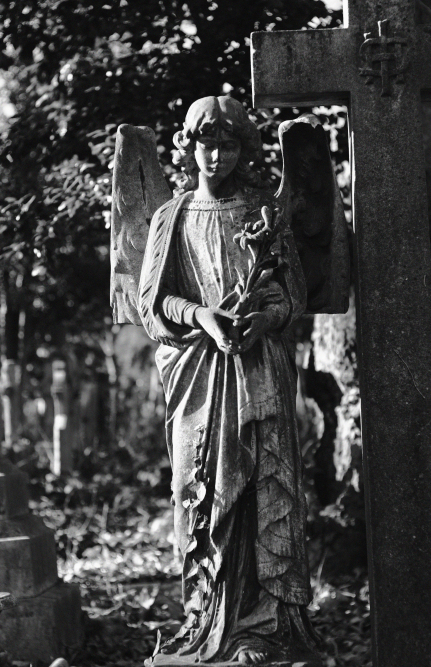
Have you ever wondered what an angel looks like? From their radiant glow to their graceful wings, the image of an angel has captured the imagination of people for centuries. In this article, we will explore the various depictions and symbolism of angels in art, literature, and popular culture to uncover the fascinating and diverse interpretations of these celestial beings. Whether you believe in their existence or simply admire their portrayal in art, there’s much to discover about what an angel looks like. So sit back and prepare to be enchanted by the ethereal beauty of angels.
Table of Contents
- The Physical Appearance of Angels
- Identifying Characteristics of Angels
- The Myth vs. Reality of Angelic Appearance
- How to Recognize an Angel When You See One
- Looking Beyond the Stereotypes of Angelic Beauty
- Q&A
- Final Thoughts
The Physical Appearance of Angels
Angels are often depicted as beautiful, ethereal beings with an otherworldly glow. While their appearance may vary in different cultures and religious traditions, there are some common characteristics that are often associated with angels.
**Physical Features of Angels**
- Wings: Many depictions of angels show them with wings, often large and white, symbolizing their ability to move between the earthly and divine realms.
- Glowing Presence: Angels are often described as emitting a radiant light or aura, representing their purity and divine nature.
- Radiant Eyes: Their eyes are often depicted as deep and piercing, conveying wisdom, compassion, and a deep understanding of the human experience.
**Cultural Variations**
While the image of angels as winged, glowing beings is prevalent in Western art and literature, different cultural and religious traditions depict angels in various forms. In Islamic tradition, angels are described as genderless and having no physical form, while in Hinduism, angels may take on the appearance of a divine being or deity.
Identifying Characteristics of Angels
Angels are often depicted as celestial beings with distinct identifying characteristics. While their appearance may vary depending on cultural and religious beliefs, there are some common traits that are frequently associated with these divine entities. In various religious texts, angels are described as having a human-like form, but with extraordinary attributes that set them apart. Some of the typical include:
– Radiant and luminous presence
– Ethereal wings that symbolize their ability to transcend earthly limitations
– A peaceful and serene demeanor
– Clothing that reflects their purity and holiness
– Often depicted with halos, symbolizing their divine nature
In addition to their physical attributes, angels are often described as emanating an aura of love, protection, and guidance. Their presence is said to bring comfort and reassurance to those who encounter them. While there is no definitive description of what an angel looks like, the common characteristics mentioned above are widely recognized in various cultural and religious traditions. Whether depicted in art, literature, or religious teachings, angels are often portrayed as benevolent and compassionate beings who serve as messengers of divine will.
The Myth vs. Reality of Angelic Appearance
When we think of angels, many of us have a preconceived notion of what they look like based on popular culture and religious depictions. However, the reality of angelic appearance may be quite different from what we’ve been led to believe. Let’s break down some myths and explore the true nature of what an angel looks like.
Myth: Angels have wings.
Reality: While many artistic representations of angels feature wings, not all angels are depicted as having them. In fact, the Bible never explicitly mentions angels having wings. The idea of angels with wings likely originated from the seraphim and cherubim mentioned in biblical texts, but it’s important to note that not all angels fall into these categories.
Myth: Angels are always beautiful and ethereal.
Reality: While angels are often portrayed as being perfectly beautiful beings, the reality is that their appearance can vary. In some biblical accounts, angels are described as being intimidating and powerful, rather than conventionally attractive. Additionally, angels are believed to have the ability to take on human form, making their appearance even more diverse.
How to Recognize an Angel When You See One
When it comes to recognizing an angel, it’s important to remember that they may not always appear in the way we expect. Angels are often depicted as winged beings with halos, but in reality, they can come in many different forms. Here are some signs to look out for when trying to recognize an angel:
1. Intuition: Angels often communicate through intuition, so if you have a strong feeling that someone is an angel, trust your instincts.
2. Unexplained kindness: Angels are known for their incredible kindness and compassion. If you encounter someone who goes out of their way to help others without any expectation of reward, they could be an angel in disguise.
3. Radiant energy: Angels often exude a radiant energy that can make them stand out in a crowd. If you feel a sense of calm and peace in someone’s presence, they may be an angel sent to bring comfort to those around them.
In addition to these signs, it’s essential to keep an open mind and heart when searching for angels in the world. They may appear in unexpected ways and bring messages of hope and love when we least expect it. Embracing the possibility of encountering an angel in any form can open the door to experiencing their profound influence on our lives.
Looking Beyond the Stereotypes of Angelic Beauty
When we think of angels, most of us likely picture ethereal, delicate beings with flowing robes and halos. But the truth is, the concept of angelic beauty extends far beyond these stereotypes. In fact, angels are often described as being powerful, radiant, and awe-inspiring, rather than simply delicate and feminine.
Angelic beauty can take many forms, from the majestic and imposing to the serene and comforting. It’s important to remember that angels are not limited by human ideas of gender or physical appearance. They can appear in whatever form is most meaningful and impactful for the individual receiving their message. This could be through a gentle and nurturing presence, or through a more dramatic and formidable manifestation.
Q&A
Q: What does an angel look like?
A: In art and literature, angels are often depicted as human-like figures with wings, often dressed in flowing robes. However, in reality, they are spiritual beings and do not have a physical form.
Q: Are angels always portrayed as female?
A: While many people may imagine angels as female due to their gentle and nurturing nature, angels are actually genderless and do not conform to human concepts of gender.
Q: Do angels always have wings?
A: In many depictions, angels are shown with wings as a symbol of their divine nature and ability to move freely between the earthly and heavenly realms. However, not all depictions of angels include wings, and they may appear in various forms depending on their purpose.
Q: Can angels take on different forms?
A: Yes, angels are believed to have the ability to appear in whatever form is necessary to carry out their divine missions, whether that be human-like, shimmering light, or even as a feeling or presence.
Q: What are some common symbols associated with angels?
A: In addition to wings, halos are often depicted as a symbol of an angel’s holiness. Other common symbols associated with angels include trumpets, harps, and swords, each representing different aspects of their divine roles.
Q: How are angels described in religious texts?
A: In religious texts such as the Bible and the Quran, angels are described as powerful and majestic beings who serve as messengers of God, guardians, and protectors. The descriptions of their appearance vary but often emphasize their otherworldly beauty and radiance.
Q: Can we communicate with angels?
A: Many people believe that they can communicate with angels through prayer, meditation, and by being open to receiving messages and guidance from these spiritual beings. While angels may not always appear in a physical form, they are believed to be constantly watching over and guiding us.
Final Thoughts
Thank you for taking the time to explore what an angel looks like. While depictions of angels may vary across different cultures and beliefs, one thing remains consistent – the idea of these heavenly beings evokes a sense of peace, comfort, and hope. Whether you imagine them as ethereal figures with wings and halos or as everyday people who offer kindness and compassion, the concept of angels serves as a reminder of the power of goodness and positivity in the world. So, whether you encounter an angel in the form of a stranger’s kind gesture or simply as a comforting presence in your thoughts, may the idea of angels bring you a sense of peace and comfort in all that you do. Thank you for reading!

