



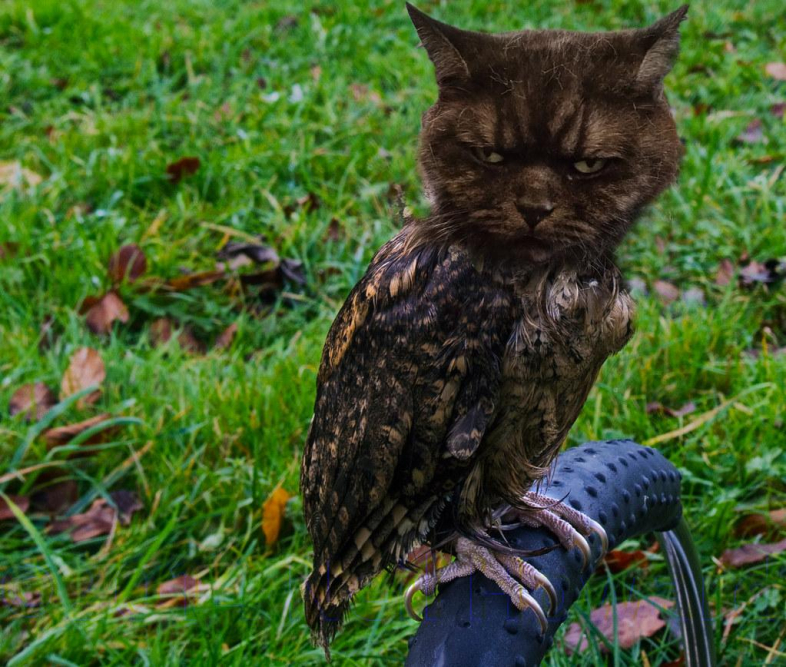
Unveiling Nature’s Exquisite Enigma: The Fascinating World of the Chimera Cat
In the vast tapestry of the animal kingdom, a mesmerizing creature enshrouded in mystery emerges — the chimera cat, an enthralling anomaly that defies the typical boundaries of genetic existence. With its striking asymmetrical features and a mesmerizing blend of fur patterns, this enigmatic feline captivates both the scientific and the curious mind alike. Those seeking to unravel the secrets behind its unparalleled beauty embark on a quest to understand the intricate workings of nature’s hand, where the lines between genetics and artistry blur. This journalistic exploration delves deep into the scientific realm to shine a light on the captivating story behind the chimera cat, uncovering the layers of its scientific significance and unveiling the awe-inspiring wonders that lie at the intersection of genetics and aesthetic allure.
Table of Contents
- The Genetics behind the Fascinating Phenomenon of Chimera Cats
- Understanding the Unique Physical Characteristics of Chimera Cats
- Exploring the Unusual Health Considerations for Chimera Cats
- Tips for Identifying and Caring for a Chimera Cat
- Q&A
- Wrapping Up
The Genetics behind the Fascinating Phenomenon of Chimera Cats
Chimera cats are a captivating marvel of nature that have fascinated scientists and animal enthusiasts alike. These unique felines possess a genetic anomaly that results in their distinctive and visually stunning appearance. To understand the captivating world of chimera cats, we must delve into the depths of their genetics.
Chimerism is a genetic condition that occurs when an individual is composed of cells from different embryos. In the case of chimera cats, this phenomenon arises during early embryonic development, when two fertilized eggs fuse together to form a single organism. As a result, the cat’s body becomes a patchwork of two distinct cell populations, each with its own unique genetic makeup.
The most striking feature of chimera cats is their striking coat patterns, often characterized by distinct color splits on their faces or bodies. This enchanting phenomenon occurs due to the distribution of different cell lines across various regions of the cat’s body. In some cases, one eye may exhibit a different color compared to the other, adding to the cat’s mesmerizing appearance.
Understanding the Unique Physical Characteristics of Chimera Cats
A chimera cat is a rare and fascinating creature that exhibits unique physical characteristics. These extraordinary felines are the result of a genetic anomaly, where two separate embryos fuse together during early development. The resulting cat has patches of different colored fur, creating a visually stunning and distinctive appearance.
One of the most remarkable features of chimera cats is their strikingly different colored eyes. For example, one eye may be blue while the other is green or gold. This captivating attribute adds to their mysterious and ethereal aura. Additionally, chimera cats often have a distinct split face, with one side displaying one fur color and the other side displaying a completely different color.
The colorful fur patterns and unique eye colors of chimera cats are a result of the presence of two sets of DNA in their bodies. This genetic variation can lead to a variety of combinations, making each chimera cat truly one-of-a-kind. In some cases, the different sets of DNA can even affect the cat’s internal organs, giving them a diverse array of traits.
The Physical Characteristics of Chimera Cats:
- Distinctive fur patterns: Chimera cats have fur patterns that can range from symmetrically split faces to beautifully blended patches of color. These patterns can vary greatly from cat to cat, creating a unique coat that sets them apart from other felines.
- Heterochromia: The presence of two different eye colors in chimera cats is known as heterochromia. This eye-catching trait adds to their enigmatic charm and is often a defining feature of these extraordinary creatures.
- Split face: Many chimera cats have a split face, with one side displaying one fur color and the other side displaying another. This division can be perfectly symmetrical or vary in shape and size, further enhancing their intriguing appearance.
- Multiple organ characteristics: The presence of two sets of DNA in chimera cats can result in different characteristics in their internal organs. For example, they may have cells from one embryo in one area of their body, and cells from the other embryo in a different area. This unique phenomenon adds another level of complexity to their physical makeup.
Exploring the Unusual Health Considerations for Chimera Cats
Chimera cats are a fascinating genetic anomaly, characterized by their unique appearance and distinct color patterns. These cats are the result of a rare genetic mutation that occurs during embryonic development, when two fertilized eggs fuse together to create a single individual with two sets of DNA. As a result, chimera cats often have strikingly different markings on each side of their body, making them truly one-of-a-kind.
While chimera cats may appear to be nothing more than a whimsical oddity, there are certain health considerations that must be taken into account for these enchanting creatures. One of the most significant concerns is their immune system. Since chimera cats have cells with two different genetic makeups, their immune system may not function as efficiently as that of a normal cat. This can make them more susceptible to infections and diseases, requiring conscientious monitoring and preventive care.
Another health consideration for chimera cats is their reproductive abilities. Due to their unique genetic makeup, chimera cats may have difficulty reproducing. This is because the merging of two sets of DNA can sometimes result in reproductive abnormalities, making it challenging for these cats to produce offspring. Breeders and owners of chimera cats need to be aware of this potential issue and take appropriate steps to ensure the well-being of these extraordinary feline companions.
Tips for Identifying and Caring for a Chimera Cat
What is a Chimera Cat?
A chimera cat is a unique feline with distinct genetic characteristics. This genetic anomaly occurs when two fertilized embryos fuse together, resulting in a cat with cells from different genetic backgrounds. As a result, chimera cats often display striking physical features, such as two different colored eyes or patches of different colored fur. Identifying a chimera cat can be challenging, but there are a few key signs to look for.
Identification Tips:
- Fur color variation: One of the most obvious signs of a chimera cat is fur color variation. Look for distinct patches of different colors on the cat’s body, particularly on the face, torso, and legs.
- Heterochromia: Another common characteristic of chimera cats is heterochromia, where each eye has a different color. This unique trait is caused by the presence of two distinct sets of genes in the cat’s eyes.
- Piebald patterns: Piebald patterns, characterized by large areas of white fur interspersed with patches of color, are often seen in chimera cats. These patterns can be irregular or symmetrical and are a result of the genetic fusion.
Caring for a Chimera Cat:
While chimera cats are certainly captivating, they require the same care and attention as any other feline companion. Here are a few tips to ensure your chimera cat remains healthy and happy:
- Nutritious Diet: Provide your chimera cat with a balanced and nutritious diet appropriate for their age and activity level. Consult with a veterinarian to determine the best food options for your unique feline.
- Regular Veterinary Check-ups: Schedule regular visits to the vet to monitor your chimera cat’s overall health. These check-ups are crucial for identifying any potential issues and ensuring timely treatment.
- Hygiene and Grooming: Regularly groom your chimera cat to maintain their coat’s health and cleanliness. Brushing their fur, trimming their nails, and cleaning their teeth are essential parts of their grooming routine.
- Environmental Enrichment: Create a stimulating environment with toys, scratching posts, and climbing structures to keep your chimera cat mentally and physically engaged.
Q&A
Q: What is a chimera cat?
A: A chimera cat is a rare genetic phenomenon in which a single individual is composed of cells from different genetic origins, resulting in distinct fur patterns or heterochromia (different-colored eyes).
Q: How does a chimera cat develop?
A: Chimerism occurs when two fertilized embryos fuse together early in development, leading to an organism with two distinct sets of DNA. These cells then continue to divide and develop into different organs, resulting in a cat with a mixture of genetically distinct tissues.
Q: Are chimera cats common?
A: No, chimera cats are extremely rare. While the exact prevalence is unknown, they are considered a natural occurrence and have been reported sporadically throughout history.
Q: Are chimera cats healthy?
A: In most cases, chimera cats are as healthy as any other feline. The presence of two cell lineages does not typically affect their overall well-being. However, it is important to note that underlying health issues unrelated to their chimerism may occur, as with any other cat.
Q: Can chimera cats reproduce?
A: Yes, chimera cats can reproduce if their reproductive organs are not affected by their unique genetic composition. However, it is challenging to predict whether their offspring will also exhibit chimera characteristics.
Q: Are there any other animals that can exhibit chimerism?
A: Chimerism is not limited to cats. It can occur in various species, including humans. However, it remains a relatively rare phenomenon across the animal kingdom.
Q: Can chimera cats be identified through genetic testing?
A: Identifying chimera cats through genetic testing can be complex and may require sophisticated techniques. Traditional testing methods often yield inconclusive results due to the mixture of genetic information. However, advancements in genetic sequencing hold promise for improved identification in the future.
Q: Can chimera cats experience any health complications due to their genetic makeup?
A: While chimera cats are generally healthy, they may occasionally exhibit specific health conditions that result from their mixed genetic composition. For instance, they may have different blood types in distinct parts of their body, which can complicate blood transfusions.
Q: Are there any special considerations when adopting a chimera cat?
A: Adopting a chimera cat does not require any extra considerations beyond those typical for cat ownership. It is essential to provide them with regular veterinary care and address any specific health needs that may arise.
Q: What makes the study of chimera cats significant in scientific research?
A: Chimera cats provide researchers with a unique opportunity to study cellular interactions, genetic complexities, and developmental processes. By understanding the mechanisms behind chimerism, scientists can gain valuable insights into genetic diseases and developmental disorders in both animals and humans.
Wrapping Up
In conclusion, the fascinating world of genetics brings forth extraordinary and enigmatic creations, such as the chimera cat. With its unique fusion of distinct genetic patterns, this astonishing feline exemplifies the wonders of nature’s intricate design. Its dual-colored coat and captivating heterochromia eyes serve as a testament to the intertwined existence of two separate genetic lineages within a single organism. As we delve deeper into the mysteries of chimera cats, unravelling their complex genetic mechanisms and studying their implications, we gain invaluable insights into the extraordinary diversity of life on our planet. The chimera cat stands as a captivating symbol of the ever-evolving and intricate tapestry of existence, challenging our understanding of genetic inheritance and reminding us of the ceaseless marvels yet to be uncovered in the realm of science. As the scientific community journeys further into the realm of genetic exploration, these enigmatic creatures will continue to captivate our imagination, shedding light on the boundless possibilities that lie within the intricate fabric of nature. The world of chimera cats, with its beauty and scientific complexity, beckons us to unravel its secrets while reminding us of the infinite wonders nature has in store for us.

