



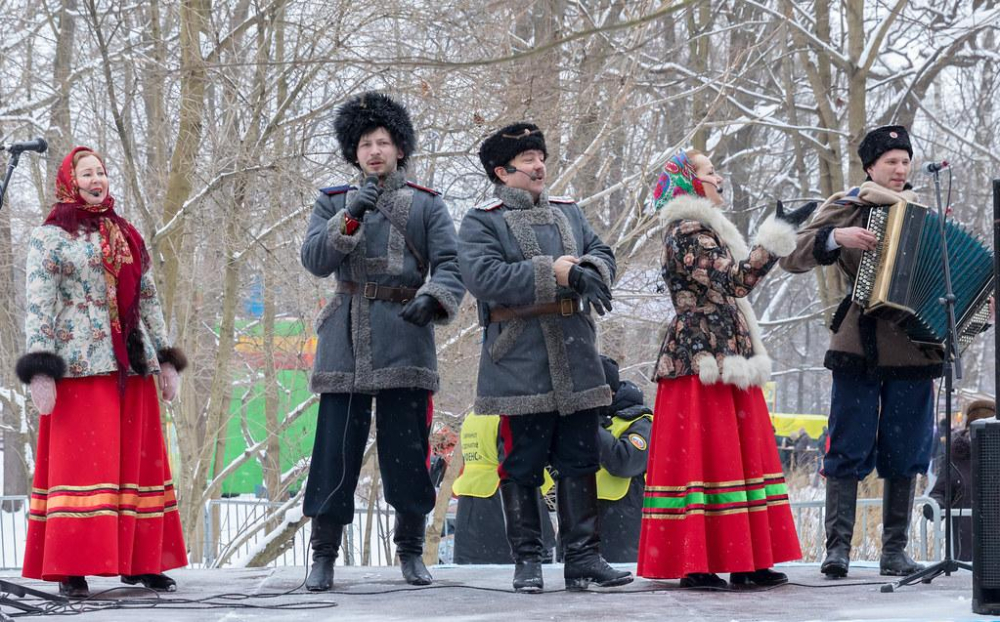
Step into the enchanting world of Slavic holidays, where ancient traditions and vibrant celebrations come to life. From the captivating winter solstice festivals to the raucous harvest feasts, the Slavic people have a rich and colorful tapestry of holidays that have been passed down through generations. Join us as we explore the magical and cultural significance of these time-honored traditions, and discover the unique customs and rituals that make Slavic holidays truly unforgettable. Get ready to immerse yourself in a world of folklore, superstition, and jubilant merrymaking that will leave you spellbound.
Table of Contents
- Get Ready to Celebrate: Slavic Holidays Explained
- Time to Feast: Traditional Slavic Holiday Foods
- Tales and Legends: The Meaning Behind Slavic Holiday Rituals
- From Kupala Night to Maslenitsa: Must-See Slavic Holiday Celebrations
- Q&A
- To Conclude
Get Ready to Celebrate: Slavic Holidays Explained
Slavic holidays are a vibrant tapestry of traditions, folklore, and ancient rituals that have been passed down through generations. From the colorful and lively festivities of Maslenitsa to the mystical and enchanting celebrations of Kupala Night, Slavic holidays are a time for communities to come together, honor their heritage, and revel in the magic of their cultural traditions.
One of the most beloved Slavic holidays is Maslenitsa, also known as Pancake Week. This joyous and exuberant festival marks the end of winter and the beginning of spring, a time for feasting, dancing, and merrymaking. During Maslenitsa, families gather to indulge in an abundance of delicious pancakes, engage in friendly competitions, and burn a symbolic effigy of winter in a bonfire, signaling the arrival of warmer days ahead.
Another enchanting Slavic holiday is Kupala Night, a celebration that honors the summer solstice and the forces of nature. This mystical and magical holiday is filled with ancient rituals and customs, including the weaving of flower wreaths, leaping over bonfires, and searching for the mythical “fern flower,” said to bring good luck to the one who finds it. Kupala Night is a time for love, romance, and the celebration of nature’s bounty, a wondrous and enchanting spectacle that continues to captivate and inspire Slavic communities around the world.
Time to Feast: Traditional Slavic Holiday Foods
Slavic holidays are a time for family, friends, and of course, delicious traditional foods. These festive occasions are steeped in history, culture, and mouthwatering dishes that have been passed down through generations. From savory soups and stews to sweet treats and pastries, Slavic holiday foods are a feast for the senses.
One popular dish that takes center stage during Slavic holidays is **borscht**. This vibrant beet soup is a staple in many Slavic countries, including Russia, Ukraine, and Poland. Made with a base of beef or vegetable stock, borscht is brimming with tender chunks of beets, carrots, and potatoes. It’s often served with a dollop of sour cream and a sprinkling of fresh dill, adding a creamy richness and herbaceous finish to each spoonful.
Another beloved holiday dish is **pierogi**, a type of dumpling that can be filled with a variety of savory or sweet fillings. Popular savory fillings include potato and cheese, sauerkraut and mushroom, and ground meat, while sweet options often feature fruits like cherries or blueberries. These pillowy pockets of dough are typically boiled and then pan-fried to achieve a golden brown crust, and are often served with a side of sour cream for dipping. No Slavic holiday feast would be complete without a heaping plate of these delicious dumplings.
Tales and Legends: The Meaning Behind Slavic Holiday Rituals
Slavic holidays are filled with rich traditions and rituals that have been passed down through generations. These celebrations are deeply rooted in folklore and mythology, and the rituals have significant meaning to the Slavic people. From the winter solstice festival to the celebration of spring, Slavic holiday rituals reflect the connection to nature and the cycles of the seasons.
One of the most significant Slavic holiday rituals is the tradition of burning the Yule log during the winter solstice. This practice is believed to bring warmth and light into the home during the darkest time of the year. The Yule log is decorated with symbols of prosperity and good fortune, and the ashes are often kept as a talisman for the coming year. Another fascinating ritual is the celebration of Maslenitsa, a holiday that marks the end of winter and the beginning of spring. During this time, people participate in festive gatherings, feast on pancakes, and engage in traditional games and activities that symbolize the rebirth of nature.
From Kupala Night to Maslenitsa: Must-See Slavic Holiday Celebrations
Slavic holidays are rich in tradition, folklore, and vibrant celebrations that have been passed down through generations. From the ancient pagan festival of Kupala Night to the lively Maslenitsa, these holidays offer a unique glimpse into the cultural heritage of the Slavic people.
Kupala Night, also known as Ivan Kupala Day, is a summer solstice celebration that takes place on the night of July 6th. It is a time of bonfires, flower wreaths, singing, and dancing, and is steeped in symbolism and superstition. The holiday is associated with fertility, love, and the power of nature, making it a truly magical and mystical experience.
Maslenitsa, on the other hand, is a week-long festival that marks the end of winter and the beginning of spring. This exuberant celebration features an abundance of food, music, and dancing, and culminates in the burning of a straw effigy of winter. It is a time of forgiveness, joy, and the anticipation of warmer days ahead, and is a cherished tradition for Slavic communities around the world.
Q&A
Q: What are some traditional Slavic holidays?
A: Slavic holidays include Maslenitsa, Ivan Kupala, and Kupala Night.
Q: What is Maslenitsa?
A: Maslenitsa is a Slavic holiday celebrating the end of winter and the beginning of spring, often marked by the eating of blini (pancakes) and other traditional foods.
Q: What happens during Ivan Kupala and Kupala Night?
A: Ivan Kupala and Kupala Night are celebrated with bonfires, wreath-making, and rituals that are believed to bring good luck, love, and protection.
Q: Are these holidays still celebrated today?
A: Yes, many Slavic countries still celebrate these holidays with traditional rituals, food, and customs.
Q: What are some common traditions associated with these holidays?
A: In addition to bonfires and traditional foods, these holidays often include folk dancing, singing, and elaborate rituals that have been passed down through generations.
Q: Can people from other cultures participate in these holidays?
A: Absolutely! Many Slavic communities welcome people from all backgrounds to join in the festivities and experience the rich traditions of these holidays.
To Conclude
And there you have it – a glimpse into the rich tapestry of Slavic holidays. From the joyous celebrations of Maslenitsa to the solemn remembrance of Dziady, these traditions and customs have been passed down through generations, weaving a colorful thread through the fabric of Slavic culture. As we continue to honor and preserve these timeless rituals, may we always remember the significance they hold in shaping our identity and connecting us to our roots. So, whether you’re lighting candles for Kupala Night or sharing a hearty meal for Sviatki, may these traditions continue to enrich our lives and bring us closer together. Happy holidays, Slavic style! Zazdravje!
Auto Amazon Links: No products found.

