



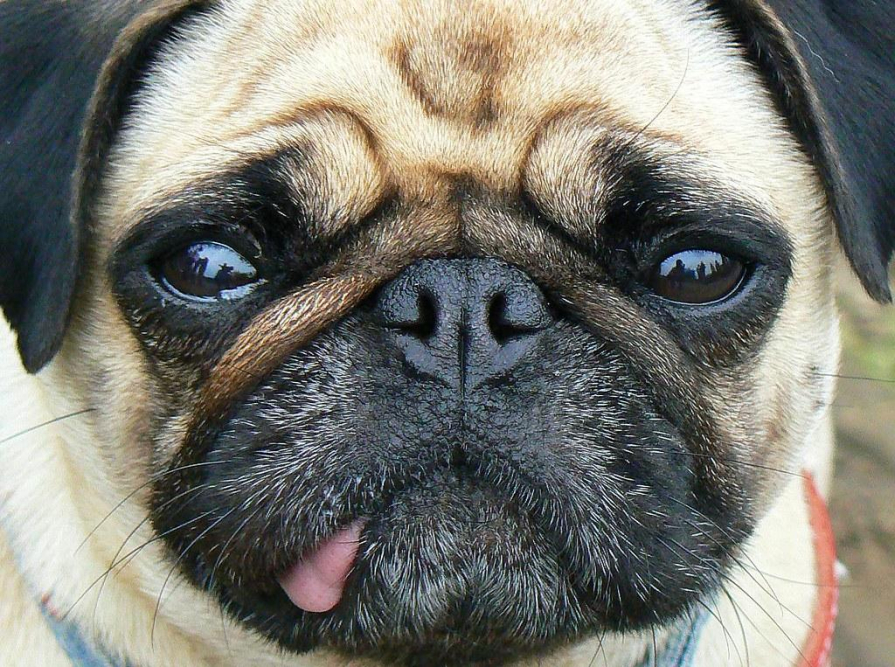
Dogs with hair covering their faces often present a unique challenge for owners and veterinarians alike. The presence of long or unruly hair around a dog’s eyes, nose, and mouth can not only obstruct their vision and ability to eat, but it can also lead to a variety of health issues if left unmanaged. In this article, we will explore the various strategies for grooming and managing the hair around a dog’s face, as well as the potential impact of this grooming on their overall well-being. Understanding the nuances of managing facial hair in dogs is crucial for maintaining their health and quality of life.
Table of Contents
- Potential health issues related to hair in a dog’s face
- Proper grooming techniques for managing hair around a dog’s face
- Best practices for preventing eye irritation in dogs with long hair
- The importance of regular veterinary check-ups for dogs with hair in their face
- Choosing the right dog breed based on hair length and grooming needs
- Q&A
- Future Outlook
Potential health issues related to hair in a dog’s face
When it comes to our furry friends, a dog’s hair can be both a beautiful and practical feature. However, having hair in a dog’s face can lead to potential health issues. It’s important for pet owners to be aware of these issues and take the necessary steps to prevent any discomfort or health problems for their beloved companions.
1. Eye Irritation
The hair in a dog’s face can easily irritate their eyes, causing discomfort and potentially leading to more serious eye problems. Dogs with hair in their face may experience excessive tearing, redness, and even inflammation if the hair constantly comes into contact with their eyes. This can lead to the risk of eye infections and other complications if left untreated.
2. Skin Infections
Another potential health issue related to hair in a dog’s face is the risk of skin infections. If the hair is not properly groomed and maintained, it can trap moisture, dirt, and bacteria close to the dog’s skin. This can lead to the development of skin infections, particularly in breeds with folds of skin or shorter snouts, where the hair in the face can create an ideal environment for bacteria to thrive.
Proper grooming techniques for managing hair around a dog’s face
When it comes to managing the hair around a dog’s face, proper grooming techniques are essential to ensure your furry friend’s comfort and health. Excess hair around a dog’s face can lead to a range of issues, including eye irritation, blocked vision, and even skin infections. By implementing the right grooming practices, you can help your dog stay happy and healthy while maintaining their adorable appearance.
One of the most effective techniques for managing hair around a dog’s face is regular trimming. This helps to prevent the hair from obstructing their vision and causing discomfort. When trimming the hair around a dog’s face, it’s important to use high-quality grooming scissors and to do so with caution to avoid any accidental cuts or injuries. Additionally, frequent brushing will help to keep the hair around the face tangle-free and clean, further reducing the risk of eye irritation and skin problems.
- Use high-quality grooming scissors for precision trimming
- Brush the hair around the face regularly to prevent tangles
- Be cautious when trimming to avoid accidental cuts or injuries
Furthermore, paying attention to your dog’s breed-specific grooming needs is crucial. Some breeds may require more frequent grooming around the face, while others may need specific techniques to maintain their unique facial hair. Consulting with a professional groomer or veterinarian can provide valuable insights into the best grooming practices for your dog’s specific needs. By following these proper grooming techniques, you can help your dog look and feel their best while ensuring their overall well-being.
Best practices for preventing eye irritation in dogs with long hair
There are several best practices to prevent eye irritation in dogs with long hair, especially those with hair that falls over their faces. To keep your furry friend comfortable and free from eye irritation, follow these tips:
### Regular Grooming
It’s essential to regularly groom your dog’s facial hair to prevent it from obstructing their vision or causing eye irritation. Use dog-safe grooming tools such as a fine-toothed comb or a pair of round-tipped scissors to trim the hair around their eyes. Be sure to maintain a clear line of sight for your dog to prevent any eye-related issues.
### Tear Stain Prevention
Tear stains are a common issue in dogs with long hair that falls over their faces. Keep the area around their eyes clean and dry to prevent tear stains from forming. Use a damp cloth to gently wipe away any discharge or debris, and make sure to keep the area dry to minimize the risk of irritation.
### Eye Protection
Consider using dog goggles or protective eyewear specifically designed for dogs with long hair to shield their eyes from potential irritants, such as dust, dirt, or pollen. These protective gear can help keep your dog’s eyes safe and free from irritation, especially during outdoor activities or walks.
Follow these best practices to ensure that your dog with hair in their face remains comfortable and free from eye irritation. Regular grooming, tear stain prevention, and eye protection are crucial in maintaining your dog’s eye health and overall well-being.
The importance of regular veterinary check-ups for dogs with hair in their face
Regular veterinary check-ups are essential for dogs, especially for those with hair in their face. There are several reasons why dog owners should prioritize these check-ups for their furry companions. Firstly, regular check-ups allow veterinarians to assess the overall health of the dog, including the condition of the hair obstructing their face. This can help identify any underlying health issues that may be causing discomfort or affecting their quality of life. Additionally, veterinarians can provide guidance on proper grooming techniques and recommend products to keep the hair around the dog’s face clean and healthy.
Furthermore, dogs with hair in their face are more susceptible to eye infections, irritation, and vision problems. Regular veterinary check-ups can help monitor the dog’s eye health and address any issues before they escalate. Veterinarians can also provide tips for cleaning and maintaining the hair around the dog’s face to prevent these issues. By staying proactive and seeking regular veterinary care, dog owners can ensure that their pets are happy, healthy, and free from any discomfort or health complications related to the hair in their face.
| Benefits of regular veterinary check-ups for dogs with hair in their face: |
| – Early detection of health issues |
| – Guidance on grooming and maintenance |
| – Monitoring of eye health and prevention of infections |
Choosing the right dog breed based on hair length and grooming needs
Long-Haired Dog Breeds:
Long-haired dog breeds require regular grooming to keep their hair from tangling and matting. If you’re considering a dog with long hair, be prepared to invest time and effort into grooming. Some popular long-haired breeds include the Afghan Hound, Maltese, and Lhasa Apso. These breeds are known for their beautiful, flowing coats but require frequent brushing and occasional trims to keep their hair looking its best.
Short-Haired Dog Breeds:
Short-haired dog breeds are generally lower maintenance when it comes to grooming. They typically require less frequent brushing and are less prone to matting. Breeds like the Labrador Retriever, Dalmatian, and Beagle are examples of popular short-haired breeds. While they may shed, regular brushing can help minimize loose hair around the home.
Minimal-Shedding Dog Breeds:
Some dog breeds are known for being minimal shedders, making them a great option for individuals with allergies or those who dislike dealing with pet hair. Breeds such as the Poodle, Bichon Frise, and Portuguese Water Dog fall into this category. These breeds often have hair that grows continuously and requires regular grooming to keep it at a manageable length.
Q&A
Q: What causes a dog to have hair in its face?
A: Some dogs naturally have longer hair around their face due to their breed, such as Shih Tzus or Maltese. Other times, poor grooming habits or neglect can lead to hair obstructing a dog’s vision.
Q: How can hair in a dog’s face affect its well-being?
A: Hair obstructing a dog’s vision can impact its overall well-being, causing potential accidents and difficulty in navigating its surroundings. It can also lead to discomfort and irritation if the hair is constantly in the dog’s eyes.
Q: What are the grooming techniques to keep a dog’s face hair-free?
A: Regularly trimming the hair around a dog’s eyes and grooming it away from its face can help prevent hair from obstructing the dog’s vision. Seeking professional grooming services can also ensure proper maintenance of a dog’s facial hair.
Q: What are some signs that a dog’s face hair is affecting its well-being?
A: Signs that a dog’s face hair is affecting its well-being include excessive blinking, squinting, rubbing its face against surfaces, or pawing at its own face. Additionally, if the dog seems more hesitant or cautious when navigating its surroundings, it could be a sign that its vision is obstructed by hair.
Future Outlook
In conclusion, the hair in a dog’s face can pose several challenges, from obstructed vision to potential skin and eye irritation. It is important for dog owners to regularly groom and maintain their pet’s facial hair in order to prevent such issues. Additionally, seeking the guidance of a professional groomer or veterinarian can provide valuable insight and assistance in managing a dog’s facial hair. By staying proactive and vigilant in addressing this issue, dog owners can ensure their pet’s comfort and well-being, while also maintaining a clean and healthy appearance. Thank you for reading, and we hope this article has provided useful information for dog owners.
Auto Amazon Links: No products found.

