



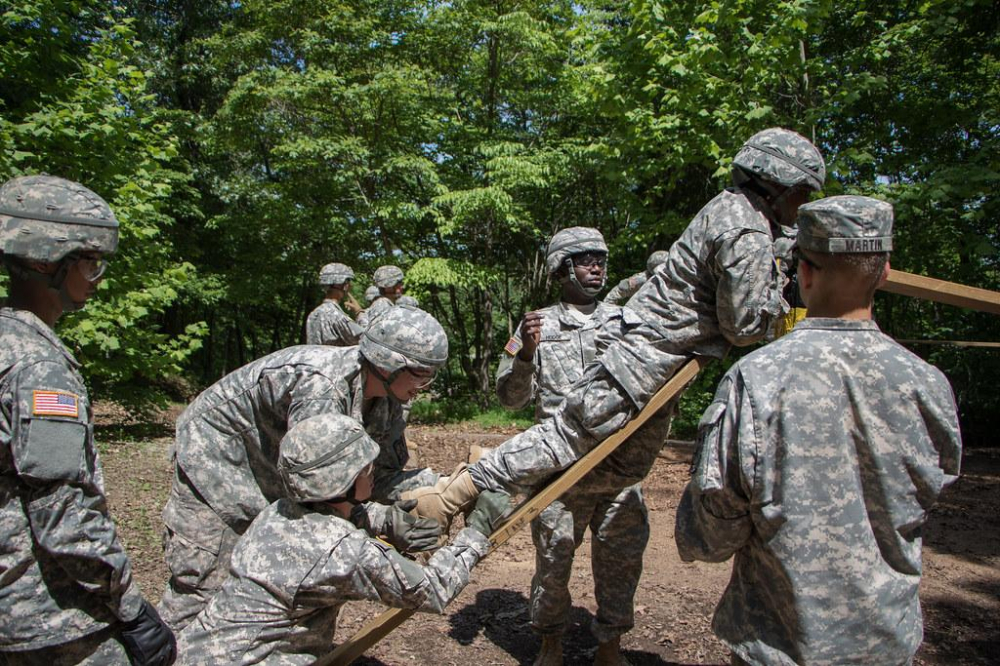
In the world of business, navigating the complexities of team dynamics is essential for achieving optimal performance. Tuckman’s model of “storming, norming, performing” offers a valuable framework for understanding and enhancing the development of effective teams. This model provides insight into the natural stages of team development and the necessary elements for fostering success. By delving into the dynamics of “storming, norming, performing,” businesses can gain a deeper understanding of the intricacies of team building and ultimately drive towards peak performance.
Table of Contents
- Understanding the Stages of Team Development
- The Importance of Storming in Team Dynamics
- Strategies for Successful Norming in Teams
- Achieving High Performance through Effective Performing
- Sustaining High Performance in Teams through Ongoing Development
- Q&A
- In Conclusion
Understanding the Stages of Team Development
When it comes to , the “storming, norming, performing” model is a crucial framework to consider. This model, first introduced by Bruce Tuckman in 1965, outlines the various stages that teams typically go through as they form and evolve. By understanding these stages, team leaders and members can better navigate the challenges and opportunities that arise in the development process.
Storming: This initial stage is marked by conflict and disagreement as team members come together and begin to establish their roles within the group. It’s common for there to be a clash of ideas and personalities as individuals adjust to the dynamics of the team. Effective communication and conflict resolution skills are essential during this phase to help move the team forward.
Norming: As the team begins to address their differences and find common ground, they enter the norming stage. This phase is characterized by increased cohesion and collaboration as members start to establish shared goals and norms. Roles and responsibilities become more defined, and the team starts to develop a sense of unity and purpose.
Performing: In the performing stage, the team is functioning at its highest level. Members are fully committed to the team’s goals, and communication and collaboration are seamless. Trust and mutual respect are evident, and the team is capable of making high-quality decisions and delivering results with efficiency.
The Importance of Storming in Team Dynamics
Storming is a crucial stage in team dynamics as it sets the foundation for how the team will function going forward. During this phase, team members may have differing opinions and approaches, leading to conflicts and tension within the group. However, this is a natural part of the team development process, as it allows individuals to express their ideas and concerns, leading to a deeper understanding of each other’s perspectives.
During the storming phase, it’s essential for team leaders to facilitate open communication and encourage collaboration. This can help address conflicts and ensure that all team members feel heard and valued. Embracing the storming stage can ultimately lead to stronger team cohesion and a more effective working dynamic.
- Encourages open communication and collaboration
- Helps address conflicts and concerns within the team
- Leads to stronger team cohesion and a more effective working dynamic
Strategies for Successful Norming in Teams
Successful norming in teams is a crucial stage in the development of a high-performing team. After the storming phase, where conflicts and disagreements arise, teams must transition to the norming phase where they establish clear norms, values, and expectations. This phase is essential for building trust, collaboration, and a sense of belonging among team members.
1. Open Communication: Encourage team members to openly communicate their thoughts, ideas, and concerns. Create a safe and inclusive environment where everyone feels comfortable sharing their perspectives.
2. Establish Clear Expectations: Define roles, responsibilities, and goals for each team member. Clear expectations help in reducing confusion and conflict, and it ensures that everyone is aligned towards a common purpose.
3. Respect and Empathy: Foster a culture of respect and empathy within the team. Encourage understanding and support for each other’s differences, and promote a collaborative and inclusive work environment.
4. Conflict Resolution: Implement effective conflict resolution strategies to address any disagreements or differences of opinion within the team. Encourage open dialogue and constructive problem-solving to resolve conflicts and build stronger relationships.
Achieving High Performance through Effective Performing
When it comes to achieving high performance within an organization, the process of storming, norming, and performing is essential. This process, often referred to as the Tuckman model, outlines the stages that teams go through as they form, develop, and ultimately reach peak performance.
During the storming stage, teams may experience conflict and tension as they navigate through differing opinions and ideas. However, it is through effective communication and conflict resolution that teams are able to move past this stage and into the norming phase. Here, norms and expectations are established, and collaboration and cohesion begin to take shape. Finally, in the performing stage, teams are able to effectively work together to achieve their goals and deliver high-quality results.
Sustaining High Performance in Teams through Ongoing Development
When it comes to building and maintaining a high-performing team, the process of storming, norming, and performing is crucial. This model, popularized by Tuckman, outlines the various stages that teams go through as they form, reform, and evolve. Understanding and navigating these stages is essential for leaders, as it directly impacts the team’s effectiveness and productivity.
Storming: This initial stage is marked by conflict and friction as team members get to know each other and figure out their roles. It’s essential for leaders to facilitate open communication and address any conflicts that arise during this period.
Norming: As the team begins to settle into their roles and responsibilities, they establish norms and guidelines for working together. This stage is all about building consensus and alignment among team members.
Performing: Finally, the team reaches the performing stage where they are functioning at their highest level. At this point, the focus is on maintaining momentum and continued development to sustain high performance.
Q&A
Q: What is storming, norming, and performing in the context of business?
A: Storming, norming, and performing are stages of team development that describe the progression of a group from initially forming and struggling to work together, to establishing norms and processes, and finally becoming a high-performing unit.
Q: What are some common challenges during the storming stage?
A: Common challenges during the storming stage include conflicts over roles and responsibilities, communication breakdowns, and a lack of trust among team members.
Q: How can a team transition from storming to norming?
A: Teams can transition from the storming stage to norming by establishing clear goals and expectations, fostering open communication, and resolving conflicts in a constructive manner.
Q: What are the characteristics of a team in the performing stage?
A: In the performing stage, a team demonstrates high levels of collaboration, trust, and accountability. They are able to work efficiently and effectively towards achieving their goals.
Q: What strategies can be implemented to help a team progress through the stages of storming, norming, and performing?
A: Strategies to help a team progress through these stages include team building activities, regular check-ins to address any issues or concerns, and providing opportunities for skill development and growth.
Q: How can a leader support the team during these stages of development?
A: A leader can support the team by providing clear direction and guidance, fostering open communication, and creating a supportive and inclusive work environment. It is important for the leader to also recognize and celebrate the team’s progress and achievements.
In Conclusion
In conclusion, the concept of “storming, norming, performing” remains a crucial aspect of understanding team dynamics in the business world. By recognizing the stages of development and addressing the challenges that arise during each phase, organizations can better prepare their teams for success. By fostering a culture of open communication, collaboration, and trust, teams can navigate through the storming phase and progress to a state of norming and ultimately reach peak performance. It is essential for leaders to be aware of the potential roadblocks and strategies to overcome them, in order to build a high-performing team. With a clear understanding of the “storming, norming, performing” model, businesses can set their teams up for success and drive towards achieving their goals.
Auto Amazon Links: No products found.

