



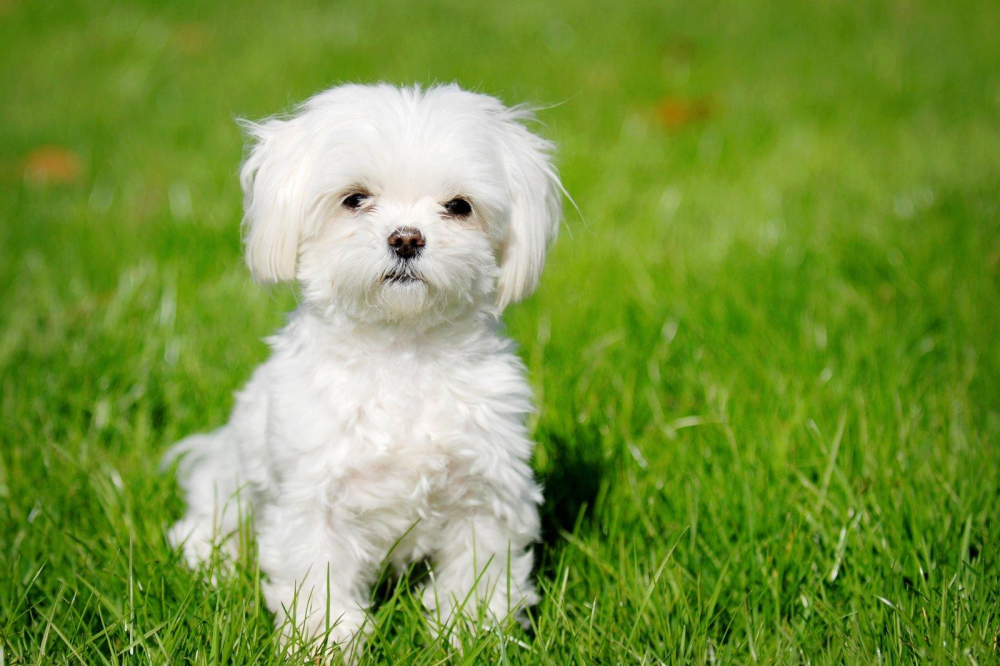
The Maltese dog breed is known for its small size, striking appearance, and delightful personality. However, behind the adorable exterior lies a long history of purposeful breeding and specialized skills. From their origins as prized companions of ancient aristocrats to their role as therapy and emotional support animals in modern society, Maltese dogs have been specifically bred for a variety of tasks and duties. In this article, we will delve into the fascinating history of the Maltese breed and explore the various purposes for which they were bred, shedding light on the unique characteristics and abilities that have made them beloved companions for centuries.
Table of Contents
- Origins of the Maltese breed
- Historical utilization and purpose
- Physical and behavioral characteristics
- Modern-day roles and responsibilities
- Breed-specific care and training suggestions
- Q&A
- Closing Remarks
Origins of the Maltese breed
The Maltese breed is one of the most ancient and beloved toy breeds, known for its luxurious white coat and sweet, affectionate nature. But what were Maltese dogs originally bred to do? While their exact origins are shrouded in mystery, it is widely believed that these dogs were originally bred for companionship and as status symbols for the wealthy and noble. Here’s a closer look at the fascinating origins of this charming breed.
**Companionship and Luxury**
The Maltese breed has a long history dating back to ancient civilizations such as the Greeks, Romans, and Egyptians. These dogs were often depicted in art and literature, accompanying their owners and adorning the laps of noblewomen. Their small size, elegant appearance, and loving temperament made them the perfect companions for their owners. In fact, the Maltese breed’s name is derived from the Mediterranean island of Malta, where they were particularly popular among aristocrats and nobility.
**Symbol of Wealth**
In addition to their role as beloved companions, Maltese dogs were also prized as symbols of wealth and prestige. Their pure white coats were seen as a sign of refinement and luxury, and they were often adorned with lavish accessories such as ribbons and jewels. Their status as cherished pets of the elite only added to their allure. Today, the Maltese breed continues to embody these qualities, delighting dog lovers with their beauty, charm, and devotion to their human companions.
Historical utilization and purpose
Maltese dogs have a rich history dating back thousands of years, and their purpose and utilization have evolved over time. Originally bred to be companions to noblewomen and aristocrats in ancient civilizations such as the Greeks and Romans, Maltese dogs were prized for their beauty, charm, and loyalty. They were often depicted in artwork and were highly regarded as symbols of luxury and refinement.
In addition to their role as companions, Maltese dogs were also utilized for other purposes throughout history. Some of their historical utilizations and purposes include:
– Rodent control: Due to their small size and agility, Maltese dogs were often employed to help control rodent populations in palaces, castles, and other aristocratic households.
– Entertainment: Maltese dogs were known for their ability to perform tricks and entertain their owners, making them popular companions and performers at social gatherings and events.
As times have changed, so have the roles and purposes of Maltese dogs. Today, they are primarily beloved as beloved companions and family pets, cherished for their affectionate nature and adaptability to various living environments. Despite their evolution, the of Maltese dogs have left a lasting legacy that continues to be celebrated and appreciated by dog lovers around the world.
Physical and behavioral characteristics
Maltese dogs are known for their distinct that make them stand out among other breeds. Their small size, graceful appearance, and lively demeanor make them popular pets for many dog lovers. These dogs have a long, silky coat that is typically white in color, with dark eyes and a black nose. Their compact build and elegant gait give them a regal and aristocratic bearing.
In addition to their physical attributes, Maltese dogs are also known for their charming and affectionate behavior. They are known to be loving and devoted companions, often forming strong bonds with their owners. Despite their small size, they are lively and playful, with a spirited personality that endears them to many. These dogs are also intelligent and eager to please, making them relatively easy to train. Their friendly and sociable nature makes them perfect for families and individuals alike.
The Maltese breed was originally bred for companionship and has been a beloved pet for thousands of years. Their small size and affectionate nature made them perfect for keeping company and providing comfort to their owners. They were also commonly used as therapy dogs, providing emotional support and companionship to those in need. Additionally, Maltese dogs were often favored by royalty and nobility, further solidifying their status as cherished companions. Their charming personality and elegant appearance have made them a timeless favorite among dog enthusiasts.
| Physical Characteristics: | Small size, long, silky white coat, dark eyes, black nose, elegant gait |
| Behavioral Characteristics: | Lively, affectionate, intelligent, sociable, eager to please |
Modern-day roles and responsibilities
Maltese dogs were originally bred for a specific purpose, and understanding their historical roles and responsibilities can provide valuable insight into their behavior and temperament today. The Maltese breed was primarily bred to be companions to royalty and nobility, dating back to ancient times. Their small size, playful nature, and affectionate disposition made them ideal for providing comfort and companionship to their owners.
In addition to their role as loyal companions, Maltese dogs were also used for vermin control. Their agility and sharp senses made them adept at hunting and catching small rodents, making them valuable assets for keeping homes and estates free from pests. This dual role as both a beloved companion and a skilled hunter has shaped the modern-day characteristics of the Maltese breed, which is known for its loving nature and keen intelligence. Understanding the historical roles and responsibilities of the Maltese can provide valuable context for their behavior and instincts, helping owners better understand and care for their furry friends.
Breed-specific care and training suggestions
Maltese dogs were originally bred for companionship and were favored by royalty and aristocrats for their affectionate and charming nature. Their small size and hypoallergenic coat also made them ideal for indoor living, which has led to their popularity as a lapdog and family pet.
In terms of care and training, it’s important to understand the breed’s history and temperament. Maltese dogs are known for their intelligence and eagerness to please, but they can also be prone to separation anxiety and can be stubborn at times. Here are some to help you better understand and care for your Maltese:
**Grooming:** Maltese dogs have a long, silky coat that requires daily brushing to prevent mats and tangles. Regular grooming, including baths, nail trimming, and ear cleaning, is also essential to keep them looking and feeling their best.
**Socialization:** Due to their history as companion dogs, Maltese thrive on human interaction and socialization. They can be sensitive to changes in their environment, so early socialization with people and other pets is crucial to prevent shyness or fearfulness.
**Training:** Positive reinforcement training methods work best for Maltese dogs, as they respond well to praise and rewards. Consistent training and boundaries will help curb any stubborn behaviors and ensure a well-behaved companion.
Q&A
Q: What were Maltese dogs originally bred to do?
A: Maltese dogs were originally bred as companion animals, favored by royals and nobles for their elegant appearance and affectionate nature.
Q: How were Maltese dogs historically used?
A: Maltese dogs were treasured as luxury pets and were often depicted in artwork and literature throughout history. They were also valued for their ability to attract and trap rats and other vermin on ships and in homes.
Q: Can Maltese dogs still perform their historical duties?
A: While Maltese dogs no longer serve their original purpose as pest controllers, they still excel as loving companions and loyal family pets.
Q: What traits make Maltese dogs well-suited for their historical roles?
A: Maltese dogs are known for their small size, agile movements, and keen intelligence, making them well-equipped for their traditional roles as rat-catchers and cherished pets. Their long, flowing white coat also added to their allure as luxury animals.
Q: How has the role of Maltese dogs changed over time?
A: As society has evolved, the Maltese’s role has shifted from that of a working dog to a beloved family pet. Their loving and affectionate nature has made them popular companions and therapy dogs.
Closing Remarks
In conclusion, the Maltese breed has a rich history and was originally bred for noble purposes such as companionship, warmth, and as a symbol of wealth and prosperity. Over the years, their role has shifted to primarily being a beloved companion animal, known for their affectionate nature and elegant appearance. However, it is important to remember the breed’s original purpose and understand the characteristics that were developed to serve these functions. By acknowledging the Maltese’s original purpose, we are better able to appreciate and care for these wonderful little dogs. Their history and unique traits make them a fascinating breed to study and cherish.

