



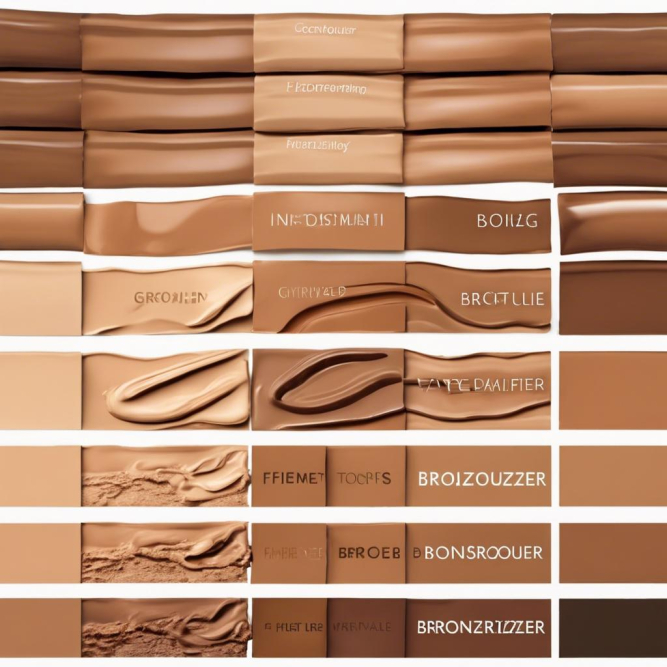
Bronzer and contour are both popular makeup products used to enhance and define facial features, but are they truly the same? In this article, we will delve into the distinctions between bronzer and contour, dissecting their purposes, applications, and effects. Understanding the nuances between these two cosmetics will empower you to make informed decisions when selecting products for your beauty routine.
Table of Contents
- Bronzer vs. Contour: Understanding the Key Differences
- How to Choose the Right Bronzer for Your Skin Tone
- The Art of Contouring: Where to Apply and How to Blend
- Enhancing Your Features with Bronzer and Contour: Tips and Tricks
- Mastering the Technique: Bronzing and Contouring for Different Face Shapes
- Selecting the Best Bronzer and Contour Products for a Flawless Finish
- Avoiding Common Mistakes: Overuse and Mismatched Shades of Bronzer and Contour
- Q&A
- Wrapping Up
Bronzer vs. Contour: Understanding the Key Differences
When it comes to makeup, bronzer and contour are often used interchangeably, but they actually serve different purposes. Understanding the key differences between the two can help you achieve the perfect makeup look.
Bronzer is a cosmetic product that is used to add warmth and a sun-kissed glow to the skin. It is typically applied to the areas of the face that the sun would naturally hit, such as the forehead, cheeks, and nose. Bronzer is perfect for adding a healthy, natural-looking glow to the skin, and it comes in a variety of shades to suit different skin tones.
On the other hand, contour is used to create shadows and add definition to the face. It is typically applied to the hollows of the cheeks, the jawline, and the sides of the nose to create the illusion of higher cheekbones, a slimmer nose, and a more defined jawline. Contour is often a cooler-toned product than bronzer, and it is used to sculpt and shape the face rather than to add warmth.
In summary, while both bronzer and contour are used to enhance the features of the face, they serve different purposes. Bronzer adds warmth and a sun-kissed glow, while contour creates shadows and adds definition. By understanding the key differences between the two, you can use them to enhance your natural features and achieve a flawless makeup look.
| Bronzer | Contour |
| Adds warmth and glow to the skin | Creates shadows and adds definition |
| Applied to areas the sun would naturally hit | Applied to hollows of the cheeks, jawline, and sides of the nose |
| Comes in a variety of shades to suit different skin tones | Often a cooler-toned product, used to sculpt the face |
How to Choose the Right Bronzer for Your Skin Tone
Bronzer and contour are often used interchangeably in the beauty world, but they serve different purposes. While both products are used to add depth and warmth to the complexion, they are applied differently and have different undertones. Bronzer is used to mimic a sun-kissed glow, while contour is used to create shadows and define the facial structure.
When choosing the right bronzer for your skin tone, it’s important to consider the undertone of your skin. Cool-toned bronzers work best for fair skin with pink or rosy undertones, while warm-toned bronzers complement olive or golden undertones. Neutral-toned bronzers are versatile and can work for a variety of skin tones.
Additionally, it’s important to consider the depth of the bronzer. Lighter bronzers work well for fair skin tones, while medium to deep bronzers complement darker skin tones. Matte bronzers are great for contouring, while shimmer bronzers add luminosity to the skin. Ultimately, the right bronzer for you will depend on your skin tone, undertone, and the look you want to achieve.
The Art of Contouring: Where to Apply and How to Blend
Many people often wonder if bronzer and contour are the same products, as they both seem to serve a similar purpose in makeup application. However, it’s important to note that bronzer and contour are not the same. While both can be used to add dimension and structure to the face, they are applied in different areas and serve different purposes.
Bronzer is typically used to add warmth and a sun-kissed glow to the skin. It is applied to areas where the sun would naturally hit the face, such as the forehead, cheeks, and nose. Bronzer is usually a few shades darker than your natural skin tone and is meant to mimic a natural tan. On the other hand, contour is used to create shadows and define the facial features. It is applied to areas where you want to create the illusion of depth, such as the hollows of the cheeks, the jawline, and the sides of the nose.
When it comes to blending, the technique for bronzer and contour is slightly different. For bronzer, it’s important to blend it out evenly to create a seamless, natural-looking finish. Contour, on the other hand, requires a more precise application and blending to ensure that the shadows look realistic and well-defined. Both bronzer and contour can be blended using a makeup brush or sponge in gentle, circular motions to diffuse any harsh lines and create a soft, blended effect. By understanding the differences between bronzer and contour and mastering the art of blending, you can achieve a flawless, sculpted look and enhance your natural beauty.
Enhancing Your Features with Bronzer and Contour: Tips and Tricks
Whether you’re a makeup fanatic or a beauty novice, understanding the difference between bronzer and contour can make a significant difference in your makeup routine. While both products are used to enhance and define facial features, they serve different purposes and should be applied in specific ways for the best results. Here’s a breakdown of the key differences between bronzer and contour, along with tips and tricks for using each product to achieve a flawless, sculpted look.
Bronzer is designed to add warmth and dimension to the skin, mimicking a sun-kissed glow. It is typically a few shades darker than your natural skin tone and is applied to areas of the face where the sun naturally hits, such as the forehead, cheekbones, and jawline. On the other hand, contour is used to create shadows and define the structure of the face. It is usually a cool-toned, matte product that is applied to the hollows of the cheeks, along the hairline, and under the jawline to create the appearance of more defined cheekbones and a slimmer face. Understanding how to use both bronzer and contour in harmony can help you achieve a more sculpted and polished makeup look. Here are some expert tips for mastering the art of bronzing and contouring:
Using a fluffy brush, apply bronzer in a “3” shape along the side of your face, starting at the forehead, sweeping down to the hollows of the cheeks, and then down to the jawline.
For contouring, use a smaller, angled brush to apply the product in the hollows of the cheeks, blending upward toward the temples.
Blend, blend, blend! Harsh lines are a common mistake when it comes to bronzing and contouring, so be sure to blend thoroughly for a seamless, natural finish.
Choose the right shades for your skin tone. Opt for a bronzer that is only a few shades darker than your natural skin tone, and a contour shade that is a couple of shades darker than your skin for a subtle, natural-looking effect.
**Remember that less is more. It’s easier to add more product than it is to remove excess, so start with a light hand and build up the intensity as needed.
By understanding the nuanced differences between bronzer and contour and mastering the art of application, you can enhance your natural features and achieve a flawless, sculpted look that is sure to turn heads. Whether you’re looking to add warmth and dimension to your complexion with bronzer or define and sculpt your features with contour, these tips and tricks will help you elevate your makeup game and feel confident in your own skin.
Mastering the Technique: Bronzing and Contouring for Different Face Shapes
Bronzing and contouring are two popular makeup techniques that can help define and enhance different face shapes. While they are often used interchangeably, bronzer and contour are not the same. Bronzer is typically used to add warmth and a sun-kissed glow to the skin, while contour is used to create shadows and add definition to specific areas of the face.
When it comes to different face shapes, the techniques for bronzing and contouring can vary. For example, those with a round face shape may want to focus on using contour to add more definition to their cheekbones, while those with a heart-shaped face may want to emphasize their forehead and jawline. Understanding the nuances of each face shape and how to apply bronzer and contour accordingly can help you achieve a more tailored and flattering look.
It’s important to note that both techniques can be used together to create a cohesive and balanced look. By applying bronzer to add warmth to the high points of the face and contour to add depth and structure to the hollows, you can achieve a more sculpted and natural-looking finish. Experimenting with different products and techniques can help you master the art of bronzing and contouring for different face shapes.
Selecting the Best Bronzer and Contour Products for a Flawless Finish
When it comes to achieving a flawless finish with your makeup, selecting the best bronzer and contour products is essential. While many people use these terms interchangeably, there are actually some key differences between bronzer and contour products. Understanding these differences can help you choose the right products for your desired look.
Bronzer is typically used to add warmth and a sun-kissed glow to the skin. It comes in a variety of shades, ranging from light to dark, and is often applied to the high points of the face where the sun would naturally hit, such as the forehead, cheeks, and nose. On the other hand, contour products are used to create shadows and add definition to the face. They are typically a few shades darker than your natural skin tone and are applied to the hollows of the cheeks, the jawline, and the sides of the nose to create a more sculpted look.
When selecting bronzer and contour products, it’s important to consider your skin tone and undertone. Choosing the right shade of bronzer can help you achieve a natural-looking glow, while selecting the best contour product for your skin tone can help you create a more defined and sculpted look. Additionally, consider the formula of the products, whether you prefer powder or cream products, as well as the finish, whether you want a matte or shimmering effect. By choosing the right bronzer and contour products for your skin, you can achieve a flawless and beautifully sculpted finish to your makeup look.
When in doubt, don’t hesitate to consult with a makeup artist or beauty professional for personalized recommendations based on your skin type and desired look. With the right bronzer and contour products, you can enhance your natural features and achieve a flawless finish every time.
Avoiding Common Mistakes: Overuse and Mismatched Shades of Bronzer and Contour
Common Mistakes: Overuse and Mismatched Shades of Bronzer and Contour
It’s a common makeup misconception that bronzer and contour are the same thing, but in reality, they serve different purposes and should be used in different ways. One of the most prevalent mistakes is overusing bronzer, resulting in an unnatural, orangey hue. Another mistake is using mismatched shades of bronzer and contour, which can lead to an unflattering, patchy appearance. To avoid these common blunders, it’s crucial to understand the differences between bronzer and contour and how to use them appropriately.
Understanding the Difference
Bronzer: Bronzer is typically used to warm up the complexion and add a sun-kissed glow. It should be applied to areas where the sun naturally hits the face, such as the forehead, cheeks, and nose. Choosing a bronzer that is only a few shades darker than your natural skin tone will prevent the dreaded orange effect.
Contour: Contour, on the other hand, is used to create shadows and define the natural structure of the face. It should be applied to the hollows of the cheeks, along the jawline, and the sides of the nose. Using a contour shade that is cooler and more muted than your bronzer will ensure a natural-looking result.
| Common mistakes | Avoidance Tips |
|---|---|
| Overuse of bronzer | Apply bronzer with a light hand and build up gradually for a natural finish. |
| Mismatched shades | Choose a bronzer and contour shade that complement your skin tone and blend seamlessly together. |
By being mindful of the differences between bronzer and contour and how to use them correctly, you can avoid the common mistakes of overuse and mismatched shades. With the right techniques and products, you can achieve a beautifully sculpted and radiant complexion that enhances your natural features.
Q&A
Q: Is bronzer the same as contour?
A: No, bronzer and contour are not the same. While they are both used to enhance the face, they serve different purposes.
Q: What is the purpose of bronzer?
A: Bronzer is used to add warmth to the skin and create a sun-kissed glow. It is typically applied to areas where the sun naturally hits the face, such as the cheekbones, forehead, and jawline.
Q: What is the purpose of contour?
A: Contour is used to create the illusion of shadow and dimension on the face. It is typically applied to the hollows of the cheeks, the sides of the nose, and along the hairline to sculpt and define the face.
Q: Can bronzer be used for contouring?
A: While bronzer can be used to contour in a pinch, it is not specifically designed for this purpose. Contour products are typically cooler in tone and more matte, while bronzers are warmer and often contain shimmer.
Q: Is it necessary to use both bronzer and contour?
A: It is not necessary to use both bronzer and contour, but they can be used together to achieve a more sculpted and radiant look. It ultimately depends on the desired outcome and personal preference.
Q: What are the best application techniques for bronzer and contour?
A: When applying bronzer, use a large, fluffy brush and apply it in a three shape along the temples, cheekbones, and jawline. For contour, use a smaller, more precise brush and apply it in the areas where shadows naturally occur on the face, blending well for a seamless finish.
Wrapping Up
In conclusion, the distinction between bronzer and contour is important for achieving a flawless, sculpted look. While bronzer adds warmth and glow to the skin, contour is used to create shadows and define the facial structure. Understanding the difference between the two products is crucial for successful makeup application. Remember to choose the right shades and formulas for your skin tone and desired results. With the proper techniques and products, you can enhance your natural features and elevate your overall appearance. Thank you for reading and stay tuned for more beauty insights and tips.

