



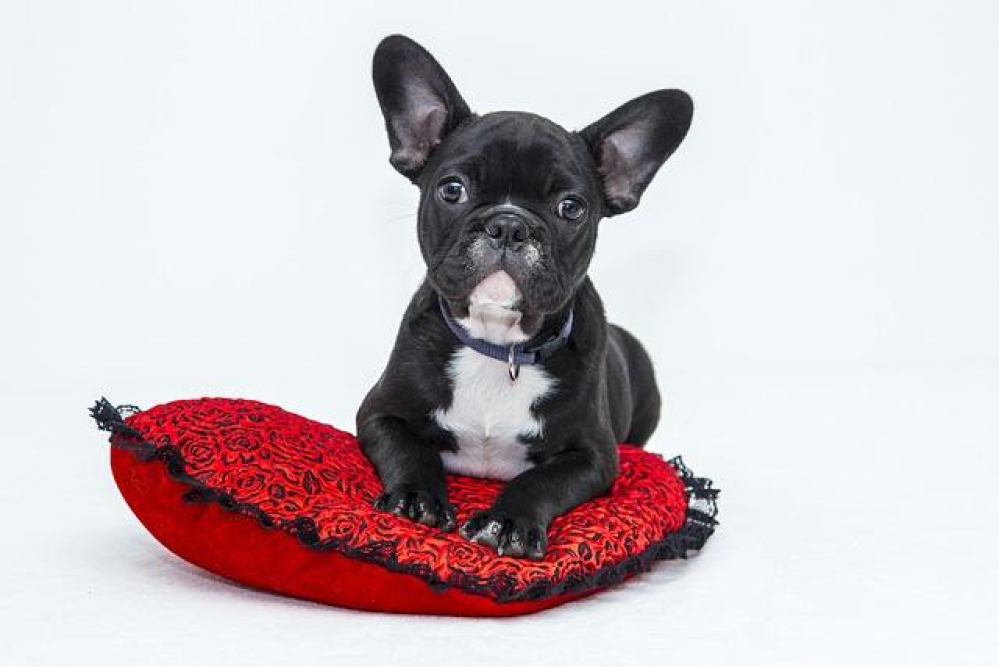
As a responsible pet owner, it is essential to be mindful of any changes in your dog’s health. Just like humans, dogs can experience a variety of ailments, including the common cold. If you notice your furry friend exhibiting symptoms such as sneezing, runny nose, or watery eyes, it is important to take immediate action to provide the necessary care and attention. In this article, we will delve into the causes, symptoms, and treatment of a dog experiencing the sniffles, offering expert insight and guidance to ensure your beloved pet receives the best possible care during this time.
Table of Contents
- Potential Causes of Dog Sniffles
- Symptoms to Watch for in Dogs with Sniffles
- How to Provide Comfort and Relief for a Dog with the Sniffles
- When to Seek Veterinary Care for Dog Sniffles
- Q&A
- The Conclusion
Potential Causes of Dog Sniffles
Dogs, just like humans, can experience sniffles and cold-like symptoms. There are several potential causes for these symptoms, ranging from allergies to infections. It’s important to identify the underlying cause of your dog’s sniffles in order to provide the appropriate treatment and relief.
One potential cause of dog sniffles is allergies. Dogs can be allergic to a variety of substances, including pollen, dust, mold, and certain foods. When exposed to an allergen, a dog may experience sneezing, runny nose, and watery eyes. Another possible cause of dog sniffles is viral or bacterial infections. Just like humans, dogs can catch colds and develop respiratory infections. These infections can cause symptoms such as nasal discharge, coughing, and lethargy. Additionally, irritants such as smoke or chemical fumes can also lead to respiratory symptoms in dogs.
Symptoms to Watch for in Dogs with Sniffles
It’s not uncommon for dogs to develop sniffles, especially during certain seasons or when exposed to allergens. It’s important for dog owners to be able to recognize the symptoms of sniffles in their pets, so they can seek appropriate treatment. Here are some common symptoms to watch for:
- Sneezing: If your dog is sneezing frequently or uncontrollably, it could be a sign of sniffles.
- Runny Nose: Keep an eye out for clear or colored discharge from your dog’s nose, as this could indicate a respiratory issue.
- Coughing: Persistent coughing or hacking could be a symptom of the sniffles, especially if it’s accompanied by other symptoms.
If you notice any of these symptoms in your dog, it’s important to consult with a veterinarian as soon as possible. They can help diagnose the cause of the sniffles and provide appropriate treatment to help your furry friend feel better.
How to Provide Comfort and Relief for a Dog with the Sniffles
Understanding the Sniffles in Dogs
When a dog has the sniffles, it’s important to understand that they could be experiencing symptoms of a mild respiratory infection or canine influenza. The sniffles in dogs can manifest as nasal discharge, sneezing, coughing, and mild lethargy. It’s essential to monitor your dog closely and seek veterinary advice if the symptoms persist or worsen. However, there are also several things you can do at home to provide comfort and relief for your furry friend.
Ways to Provide Comfort and Relief
1. Provide a comfortable and warm environment: Make sure your dog has a cozy and warm place to rest while they recover from the sniffles. Keep them away from cold drafts and ensure they have access to a comfortable bed and blankets.
2. Keep them hydrated: Make sure your dog has access to fresh water at all times to help keep them hydrated and support their immune system.
3. Use a humidifier: Adding moisture to the air can help ease your dog’s breathing and soothe their respiratory system. A humidifier can be especially helpful if your dog is experiencing nasal congestion.
| 4. | Offer soothing foods: | Consider giving your dog warm, bland foods such as boiled chicken or rice to help soothe their throat and provide comfort. |
| 5. | Keep them away from other pets: | If your dog is showing symptoms of the sniffles, it’s best to keep them away from other pets to prevent the spread of any potential illness. |
By following these tips and providing your dog with the care and attention they need, you can help them feel more comfortable while they recover from the sniffles. Remember, if your dog’s symptoms persist or worsen, it’s always best to seek guidance from a veterinarian.
When to Seek Veterinary Care for Dog Sniffles
Most dog owners have experienced their canine companions developing the occasional sniffle. While sniffles can be a common occurrence in dogs, it’s important to know when to seek veterinary care for your furry friend. Here are some key factors to consider when determining if your dog’s sniffles warrant a trip to the vet:
- Duration: If your dog’s sniffles persist for more than a few days, it could be a sign of an underlying issue that requires professional attention.
- Severity: Pay attention to the severity of your dog’s sniffles. If they are accompanied by symptoms such as lethargy, loss of appetite, or difficulty breathing, it’s crucial to seek veterinary care promptly.
- Underlying health conditions: Dogs with preexisting health conditions, such as respiratory issues or weakened immune systems, may require veterinary care for even mild sniffles.
Ultimately, as a responsible pet owner, it’s vital to err on the side of caution when it comes to your dog’s health. If you have any concerns about your dog’s sniffles, don’t hesitate to consult with a veterinarian to ensure your furry friend receives the best possible care.
Q&A
Q: What are the common symptoms of a dog having the sniffles?
A: Common symptoms of a dog having the sniffles may include sneezing, nasal discharge, coughing, watery eyes, and lethargy.
Q: What are some potential causes of a dog having the sniffles?
A: Potential causes of a dog having the sniffles may include allergies, respiratory infections, foreign objects in the nose, or underlying health issues.
Q: When should a pet owner seek veterinary care for their dog’s sniffles?
A: Pet owners should seek veterinary care for their dog’s sniffles if the symptoms persist for more than a few days, worsen over time, or are accompanied by other concerning signs such as difficulty breathing or a change in behavior.
Q: How is a dog’s sniffles typically treated by a veterinarian?
A: Treatment for a dog’s sniffles may vary depending on the underlying cause, but it may include medications to alleviate symptoms, antibiotics for bacterial infections, or supportive care for more serious respiratory issues.
Q: Are there any preventative measures that can be taken to reduce the risk of a dog having the sniffles?
A: Preventative measures to reduce the risk of a dog having the sniffles may include regular veterinary check-ups, keeping the dog’s environment clean, avoiding exposure to potential allergens, and maintaining a healthy lifestyle through diet and exercise.
The Conclusion
In conclusion, it is important for dog owners to recognize and address the symptoms of a dog with the sniffles. While it may seem like a minor ailment, the sniffles can be indicative of a more serious underlying condition that requires veterinary attention. By staying vigilant and seeking prompt medical care, we can ensure the health and well-being of our furry companions. Remember, a healthy dog is a happy dog.

