



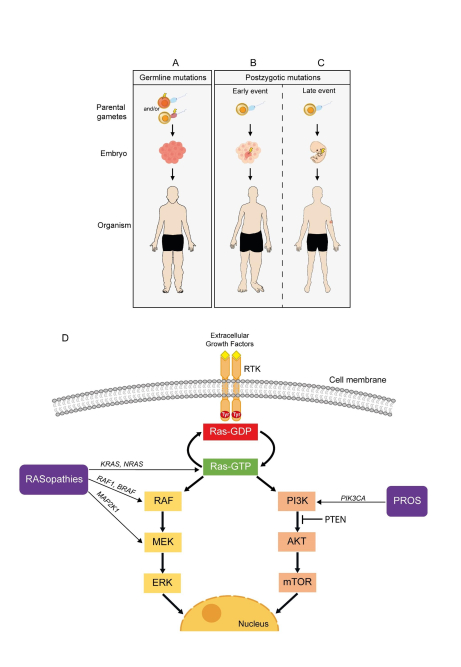
Rasopathies are a group of genetic disorders that are caused by mutations in the Ras/mitogen-activated protein kinase (MAPK) pathway, which plays a crucial role in cell growth, differentiation, and survival. These disorders are characterized by a wide range of clinical features, including developmental delays, heart defects, and an increased risk for certain types of cancer. In this article, we will explore the various types of rasopathies, their underlying genetic causes, and the current treatment options available for affected individuals. Through a better understanding of these complex conditions, researchers and healthcare professionals can work towards improving the lives of those living with rasopathies.
Table of Contents
- Understanding Rasopathies: Definition and Causes
- Exploring the Different Types of Rasopathies and Their Symptoms
- Diagnosis and Treatment Options for Rasopathies
- Living with Rasopathy: Coping Strategies and Support Resources
- Q&A
- Final Thoughts
Understanding Rasopathies: Definition and Causes
Rasopathies are a group of rare genetic disorders that are caused by mutations in genes that are part of the RAS/MAPK pathway. This pathway is responsible for regulating cell growth, differentiation, and death. When there is a mutation in one of these genes, it can lead to abnormal cell growth and development, which can cause a variety of health problems.
The most common rasopathies include Neurofibromatosis type 1, Legius syndrome, Costello syndrome, and Cardio-facio-cutaneous syndrome. These disorders can cause a wide range of symptoms, including developmental delays, heart defects, and an increased risk of certain cancers. The severity of symptoms can vary widely, even within the same family.
Causes of rasopathies can be either inherited or occur spontaneously. Inherited cases are passed down from parents to their children through their genes. Spontaneous cases, also known as de novo mutations, occur when there is a random mutation in the egg or sperm cell, or after fertilization. Although the exact cause of these mutations is not always known, factors such as advanced parental age and exposure to certain environmental toxins may increase the risk.
| Rasopathy | Gene Mutation | Common Symptoms |
|---|---|---|
| Neurofibromatosis type 1 | NF1 | Cafe-au-lait spots, learning disabilities |
| Legius syndrome | SPRED1 | Pigmentation changes, learning difficulties |
| Costello syndrome | HRAS | Heart defects, developmental delays |
| Cardio-facio-cutaneous syndrome | BRAF, KRAS | Skin abnormalities, heart defects |
Exploring the Different Types of Rasopathies and Their Symptoms
Rasopathies are a group of genetic disorders caused by mutations in the Ras/MAPK signaling pathway. These disorders are characterized by various symptoms that can affect multiple systems of the body, including the cardiovascular, skeletal, and nervous systems. Some of the most well-known rasopathies include Neurofibromatosis type 1, Costello syndrome, and Cardio-facio-cutaneous syndrome. Each disorder has its own unique set of symptoms, but they often share common features such as developmental delays, distinctive facial features, and an increased risk of certain types of cancer.
- Neurofibromatosis type 1 – This condition is marked by the presence of cafe-au-lait spots on the skin, benign tumors called neurofibromas, and an increased risk of developing brain and nerve tumors.
- Costello syndrome – Individuals with this syndrome may have distinctive facial features, such as a large forehead, wide-set eyes, and a short nose. They may also experience heart defects, developmental delays, and a higher risk of developing certain types of cancer.
- Cardio-facio-cutaneous syndrome – This disorder is characterized by heart defects, distinctive facial features, and skin abnormalities. Individuals may also have intellectual disabilities and an increased risk of developing certain types of cancer.
| Rasopathy | Common Symptoms |
|---|---|
| Neurofibromatosis type 1 | Cafe-au-lait spots, neurofibromas, brain and nerve tumors |
| Costello syndrome | Distinctive facial features, heart defects, developmental delays |
| Cardio-facio-cutaneous syndrome | Heart defects, distinctive facial features, skin abnormalities |
Understanding the symptoms and characteristics of each rasopathy is crucial for early diagnosis and proper management of the condition. Early intervention can help improve the quality of life for individuals with rasopathies and their families.
Diagnosis and Treatment Options for Rasopathies
Rasopathies are a group of rare genetic disorders caused by mutations in the RAS/MAPK signaling pathway. These mutations lead to dysregulation of cell growth, differentiation, and apoptosis, resulting in a wide range of clinical features including developmental delays, heart defects, and distinctive facial features. Some of the most common rasopathies include Neurofibromatosis Type 1, Noonan Syndrome, and Costello Syndrome.
Diagnosis of rasopathies begins with a thorough medical history and physical examination, followed by genetic testing to identify the specific mutation. In some cases, imaging tests such as an echocardiogram or MRI may be ordered to assess for internal organ involvement. Early diagnosis is crucial as it allows for timely intervention and management of symptoms.
Treatment options for rasopathies vary depending on the specific disorder and the severity of symptoms. A multidisciplinary approach is often needed, involving specialists such as geneticists, cardiologists, neurologists, and developmental pediatricians. The following are some common treatments:
- Medication to manage heart problems or other associated medical issues
- Physical therapy to improve motor skills and muscle tone
- Surgery to correct congenital defects or complications
- Educational support to address learning disabilities
- Regular monitoring to detect and manage any complications
Note: Treatment is tailored to the individual’s needs and may change over time as new symptoms arise or current symptoms improve. It is important for individuals with rasopathies to have regular check-ups with their healthcare team to ensure the best possible outcomes.
| Rasopathy | Common Treatments |
|---|---|
| Neurofibromatosis Type 1 | Medication, Surgery, Educational Support |
| Noonan Syndrome | Medication, Physical Therapy, Monitoring |
| Costello Syndrome | Medication, Surgery, Physical Therapy |
Living with Rasopathy: Coping Strategies and Support Resources
Living with a rasopathy can be challenging, but there are coping strategies and support resources available to help individuals and families navigate this journey. One of the most important things you can do is to educate yourself about the condition and its potential impact on your life. This includes understanding the symptoms, treatment options, and potential complications. It’s also important to connect with others who are going through a similar experience, as this can provide a sense of community and support.
Some coping strategies that may be helpful for those living with a rasopathy include:
– **Practicing self-care**: This can include getting enough rest, eating a healthy diet, and engaging in regular physical activity.
– **Seeking support**: This can include joining a support group, talking to a counselor or therapist, or reaching out to friends and family for emotional support.
– **Staying organized**: Keeping track of medical appointments, medications, and other important information can help reduce stress and ensure that you are on top of your health care needs.
There are also a number of support resources available for individuals and families affected by rasopathies. These may include:
– **National organizations**: such as the Rasopathy Network, which provides information, resources, and support for individuals and families affected by rasopathies.
– **Online communities**: such as Facebook groups or online forums, where individuals can connect with others who understand their experience.
– **Local resources**: such as support groups or clinics that specialize in treating rasopathies.
| Resource | Description |
|---|---|
| Rasopathy Network | A national organization that provides information, resources, and support for individuals and families affected by rasopathies. |
| Online communities | Facebook groups or online forums where individuals can connect with others who understand their experience. |
| Local resources | Support groups or clinics that specialize in treating rasopathies. |
It’s important to remember that you are not alone in this journey, and there is help available. By utilizing coping strategies and support resources, you can better manage the challenges of living with a rasopathy.
Q&A
Q: What are rasopathies?
A: Rasopathies are a group of genetic conditions caused by mutations in genes that are part of the Ras-MAPK signaling pathway. This pathway plays a crucial role in regulating cell growth, differentiation, and survival.
Q: What are some common rasopathies?
A: Some common rasopathies include neurofibromatosis type 1, Noonan syndrome, Costello syndrome, cardiofaciocutaneous syndrome, and Legius syndrome.
Q: What are the symptoms of rasopathies?
A: Symptoms can vary widely among different rasopathies, but some common symptoms include developmental delays, cognitive impairment, heart defects, short stature, and distinctive facial features.
Q: How are rasopathies diagnosed?
A: Rasopathies are typically diagnosed through a combination of clinical evaluation, genetic testing, and imaging studies to assess specific symptoms related to the condition.
Q: What are the treatment options for rasopathies?
A: Treatment for rasopathies is generally focused on managing symptoms and complications associated with the condition, such as developmental delays, heart defects, and skeletal abnormalities. This may involve a multidisciplinary approach with input from various medical specialists.
Q: Are there support resources available for individuals with rasopathies?
A: Yes, there are support groups and organizations that provide valuable resources, information, and support for individuals and families affected by rasopathies. These organizations can offer guidance, advocacy, and community for those living with rasopathies.
Final Thoughts
In conclusion, rasopathies are a group of genetic conditions caused by mutations in the Ras-MAPK pathway. These conditions can manifest in a variety of ways, and can affect individuals in different ways. Through continued research and understanding of these conditions, we hope to improve diagnosis, treatment, and support for individuals and families affected by rasopathies. By increasing awareness and knowledge about rasopathies, we can work towards providing better care and improving the quality of life for those living with these conditions.

