



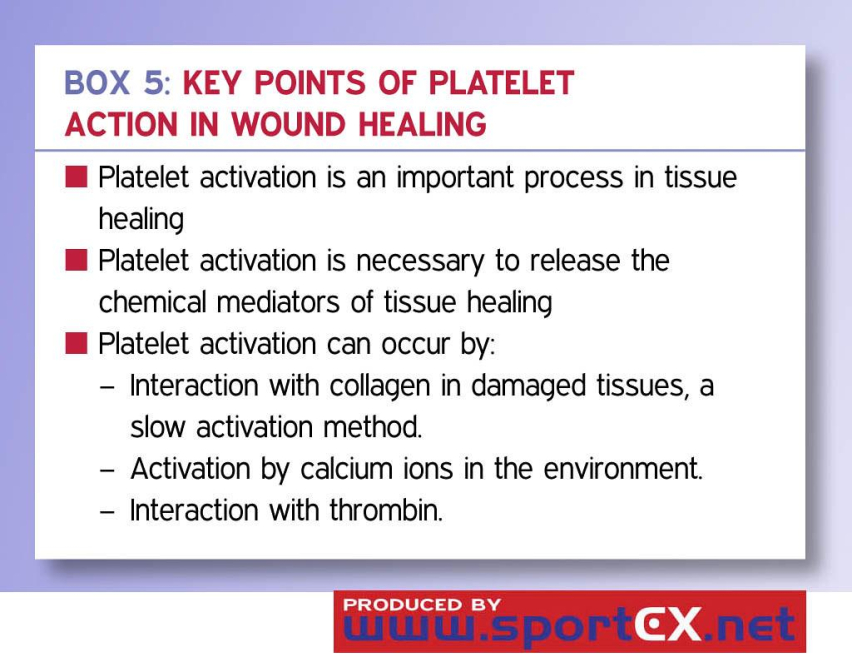
PAF, which stands for Platelet Activating Factor, is a complex lipid mediator that plays a pivotal role in the human body’s immune response and inflammation process. First identified in the 1970s, PAF has been the subject of extensive research due to its involvement in a variety of physiological and pathological processes. In this article, we will explore what PAF is, how it is synthesized and released, and its various functions in the body. We will also discuss its potential implications in the development and treatment of various diseases. Join us as we delve into the intricate world of PAF and its impact on human health.
Table of Contents
- Understanding the Concept of PAF
- The Role of PAF in Inflammatory Responses
- PAF Receptor Signaling and Its Implications
- Strategies for Targeting PAF in Therapeutic Interventions
- Q&A
- Final Thoughts
Understanding the Concept of PAF
PAF stands for Platelet-Activating Factor, which is a phospholipid molecule that plays a significant role in many physiological processes. It is involved in inflammation, allergies, and cardiovascular health, among other things. PAF is produced by various cells in the body, including white blood cells, platelets, and endothelial cells.
The primary function of PAF is to act as a mediator for inflammation. When the body is injured or infected, PAF is released to help protect the body by starting the inflammatory response. This response helps to isolate the injured or infected area and prevent the spread of any harmful agents. PAF also has a role in allergic reactions, where it can contribute to symptoms such as swelling, redness, and itching.
In terms of cardiovascular health, PAF has been shown to have both positive and negative effects. On the one hand, it can help prevent blood clots and promote healthy blood flow. On the other hand, excessive levels of PAF have been linked to an increased risk of heart disease and stroke. Researchers are still studying the complex role of PAF in the body to better understand how it can be targeted for therapeutic purposes.
Here is a table summarizing the key points about PAF:
| Function | Role in Body | Effects |
|---|---|---|
| Inflammation Mediator | Starts inflammatory response | Protects body from injury and infection |
| Allergic Reaction Contributor | Contributes to swelling, redness, itching | Can cause discomfort and irritation |
| Cardiovascular Health Factor | Regulates blood flow and clotting | Can be both beneficial and harmful |
Overall, PAF is a crucial molecule in the body with a wide range of effects. By understanding its role and how it works, scientists can develop new treatments for various health conditions.
The Role of PAF in Inflammatory Responses
Platelet-activating factor (PAF) is a potent phospholipid activator and mediator of many leukocyte functions, including platelet aggregation, inflammation, and anaphylaxis. It is produced by a variety of cell types, such as endothelial cells, neutrophils, eosinophils, monocytes, and macrophages. PAF plays a critical role in the body’s inflammatory response by modulating the activity of immune cells and the release of cytokines and other inflammatory mediators.
In an inflammatory response, PAF acts as a signaling molecule, triggering the accumulation and activation of leukocytes at the site of inflammation. It also increases the permeability of blood vessels, allowing immune cells and proteins to move from the bloodstream into the affected tissues. **PAF** is involved in various inflammatory conditions, such as asthma, sepsis, and cardiovascular diseases.
Here is a simplified diagram of PAF’s role in the inflammatory response:
| Step | Action |
|---|---|
| 1 | PAF is produced by stimulated immune cells. |
| 2 | PAF binds to its receptor on target cells. |
| 3 | Activation of target cells leads to the release of inflammatory mediators. |
| 4 | Increased vascular permeability allows immune cells to access tissues. |
| 5 | Leukocyte accumulation and activation contribute to inflammation. |
Understanding the role of PAF in inflammation is crucial for the development of new therapies targeting inflammatory diseases. By controlling the activity of PAF, it may be possible to limit inflammation and prevent tissue damage in various pathologies.
PAF Receptor Signaling and Its Implications
Platelet-activating factor (PAF) is a potent lipid mediator that plays a crucial role in various physiological and pathological processes. It is produced by a variety of cells, including platelets, neutrophils, and endothelial cells. PAF exerts its effects by binding to its receptor, PAFR, which is a G-protein-coupled receptor that mediates a wide range of cellular responses.
Some of the key functions of PAF signaling include:
- Regulation of inflammatory responses
- Modulation of vascular permeability
- Induction of platelet aggregation
- Stimulation of leukocyte adhesion to endothelial cells
Dysregulation of PAF signaling has been implicated in various diseases, including asthma, sepsis, and atherosclerosis. Understanding the intricate signaling pathways and the role of PAF in these conditions could lead to the development of novel therapeutic strategies.
| Disease | Implication of PAF Signaling |
|---|---|
| Asthma | Exacerbation of airway inflammation and bronchoconstriction |
| Sepsis | Enhancement of inflammatory response and organ dysfunction |
| Atherosclerosis | Promotion of plaque formation and instability |
Overall, the PAF signaling pathway is complex and has far-reaching implications in health and disease. Further research in this area holds the promise of uncovering new therapeutic targets to treat inflammatory and cardiovascular diseases.
Strategies for Targeting PAF in Therapeutic Interventions
Platelet-activating factor (PAF) is a potent lipid mediator that plays a crucial role in inflammation and immune responses. It has been implicated in a range of diseases, including asthma, sepsis, and cardiovascular disease. As such, PAF has become an attractive target for therapeutic intervention.
One strategy for targeting PAF is through the use of PAF receptor antagonists. These molecules bind to the PAF receptor, preventing PAF from exerting its effects. Examples of PAF receptor antagonists include WEB2086 and rupatadine.
Another approach is to inhibit the enzymes responsible for PAF biosynthesis, such as phospholipase A2 and acetyl-CoA:lyso-PAF acetyltransferase. Inhibitors of these enzymes can reduce PAF levels and thus diminish its biological effects.
| Strategy | Examples |
|---|---|
| PAF receptor antagonists | WEB2086, rupatadine |
| Enzyme inhibitors | Phospholipase A2 inhibitors, acetyl-CoA:lyso-PAF acetyltransferase inhibitors |
In addition to these pharmacological interventions, lifestyle changes and dietary modifications may also help to reduce PAF levels. For example, consuming foods rich in omega-3 fatty acids can inhibit PAF production, while avoiding foods high in saturated fats can prevent PAF from accumulating in the body.
- PAF receptor antagonists
- Enzyme inhibitors
- Lifestyle changes
- Dietary modifications
Ultimately, the most effective strategy for targeting PAF may involve a combination of these approaches, tailored to the needs of the individual patient.
Q&A
Q: What is PAF?
A: PAF stands for Platelet Activating Factor, which is a lipid signaling molecule involved in the inflammatory response and immune system regulation.
Q: How is PAF produced in the body?
A: PAF is produced by various cells in the body, including leukocytes, endothelial cells, and platelets, in response to certain stimuli such as allergens, infections, and injury.
Q: What are the biological functions of PAF?
A: PAF plays a crucial role in mediating inflammatory and immune responses, as well as in various physiological processes such as platelet aggregation, bronchoconstriction, and vasodilation.
Q: What are the potential effects of excessive PAF production?
A: Excessive PAF production has been implicated in various diseases and conditions, including asthma, anaphylaxis, sepsis, and cardiovascular diseases.
Q: How is PAF regulated in the body?
A: PAF levels are tightly regulated by enzymes that control its synthesis and degradation, as well as by receptors that mediate its biological effects.
Q: Are there any drugs or treatments targeting PAF?
A: Yes, there are drugs that specifically target PAF receptors or enzymes involved in PAF synthesis, and they are used in the treatment of certain inflammatory and allergic conditions.
Final Thoughts
In conclusion, PAf is a valuable tool for risk assessment and management in various industries, including healthcare, aviation, and finance. By utilizing probabilistic risk analysis, organizations can better understand and mitigate potential hazards and prioritize resources effectively. Additionally, PAf provides a systematic approach to decision-making, helping to improve overall safety and efficiency. As technology continues to evolve, the use of PAf is likely to become even more prevalent in ensuring the safety and security of complex systems. It is important for organizations to understand the principles and applications of PAf in order to make informed and effective risk management decisions.

