



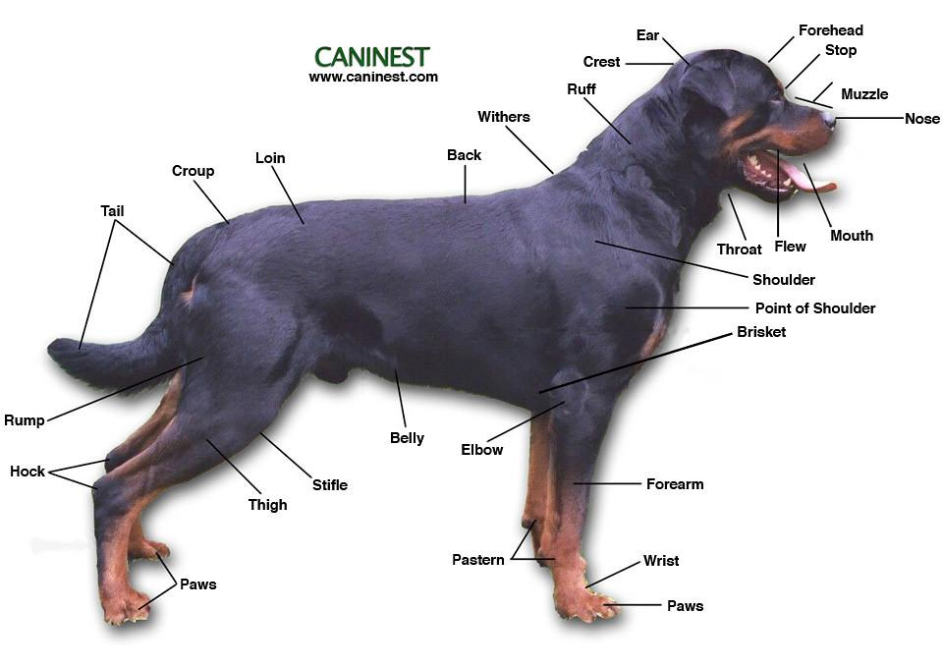
Dog paw warts, also known as canine papillomas, are a commonly occurring, benign skin growth that can appear on the paw pads and between the toes of dogs. While usually not a cause for concern, these growths can occasionally elicit discomfort and require appropriate management. Understanding the characteristics, causes, and treatment of dog paw warts is essential for pet owners to effectively care for their canine companions. This article aims to provide a comprehensive overview of the condition, offering insights into its etiology, symptoms, and recommended interventions. By delving into the complexities of dog paw warts, readers will gain a deeper understanding of this dermatologic issue and how to best address it for the well-being of their furry friends.
Table of Contents
- – Understanding Dog Paw Warts: Causes and Symptoms
- - Diagnosing and Treating Dog Paw Warts: Expert Recommendations
- – Preventing and Managing Recurrence of Dog Paw Warts
- - The Importance of Regular Paw Maintenance for Dogs
- – Seeking Professional Help for Severe Cases of Dog Paw Warts
- Q&A
- To Wrap It Up
– Understanding Dog Paw Warts: Causes and Symptoms
Paw warts in dogs are a common issue that can cause discomfort and concern for pet owners. These warts, also known as papillomas, are small, benign growths that can appear on a dog’s paw pads. While they are generally harmless, it’s important to understand the causes and symptoms of paw warts to ensure the health and well-being of your furry friend.
Causes of Dog Paw Warts:
– Canine papillomavirus: This virus is the most common cause of paw warts in dogs. It is highly contagious and can be spread through direct contact with an infected dog or contaminated surfaces.
- Weak immune system: Dogs with weakened immune systems are more susceptible to developing paw warts. Stress, illness, or certain medications can compromise the immune system, making dogs more vulnerable to the virus.
Symptoms of Dog Paw Warts:
- Small, raised growths on the paw pads
– Rough or textured surface
– Possible bleeding or inflammation if the wart is irritated
– Dogs may lick or chew at the affected paw
If you notice any of these symptoms, it’s essential to consult with your veterinarian for proper diagnosis and treatment. Additionally, taking preventive measures such as keeping your dog away from infected animals and maintaining their overall health can help reduce the risk of paw warts.
– Diagnosing and Treating Dog Paw Warts: Expert Recommendations
One of the most common skin issues in dogs is paw warts. Often caused by the papilloma virus, these small, raised growths can appear on the paw pads or in between the toes of your furry friend. As a responsible pet owner, it’s important to understand the symptoms, diagnosis, and treatment options for dog paw warts in order to provide the best care for your canine companion.
Symptoms of dog paw warts may include:
– Small, round, raised growths on the paw pads or in between the toes
- Limping or favoring one paw
– Excessive licking or chewing on the affected paw
– Bleeding or irritation around the wart
If you suspect that your dog has paw warts, it’s important to consult with a veterinarian for a proper diagnosis and treatment plan. In some cases, paw warts may resolve on their own, but in other cases, they may require medical intervention.
Treatment options for dog paw warts may include:
– Cryotherapy: Freezing the wart with liquid nitrogen to destroy the abnormal tissue
– Surgical removal: Excising the wart under anesthesia
– Topical ointments: Applied to the affected area to promote healing
It’s important to follow your veterinarian’s recommendations for treatment and provide proper aftercare for your dog to ensure a speedy recovery. By staying informed about dog paw warts and seeking expert recommendations, you can help your furry friend feel more comfortable and healthy.
- Preventing and Managing Recurrence of Dog Paw Warts
Dog paw warts, also known as canine papillomas, are a relatively common occurrence in dogs. These warts are caused by the papillomavirus and can be found on the paw pads, between the toes, or on the nails. While they are usually harmless, they can be uncomfortable for dogs and may cause limping or discomfort when walking. It’s essential to take steps to prevent and manage the recurrence of dog paw warts to ensure your furry friend’s comfort and well-being.
One way to prevent the recurrence of dog paw warts is to ensure your dog’s immune system is strong and healthy. A balanced diet, regular exercise, and proper veterinary care can all contribute to maintaining a robust immune system. Additionally, keeping your dog’s paws clean and dry can help prevent the papillomavirus from thriving in warm and damp environments. Regularly inspecting your dog’s paws for any signs of warts and addressing them promptly can also help prevent the recurrence of paw warts.
If your dog does develop paw warts, there are several ways to manage and treat them. In some cases, the warts may disappear on their own as your dog’s immune system fights off the virus. If the warts are causing discomfort or interfering with your dog’s mobility, your veterinarian may recommend treatment options such as cryosurgery, laser therapy, or topical medications. It’s essential to follow your veterinarian’s recommendations and to keep your dog’s paws clean and dry during the healing process to prevent the recurrence of paw warts. By taking proactive steps to prevent and manage dog paw warts, you can help keep your dog healthy and comfortable.
– The Importance of Regular Paw Maintenance for Dogs
Regular paw maintenance is essential for the overall health and well-being of your beloved canine companion. Dogs rely heavily on their paws to navigate the world around them, and neglecting proper paw care can lead to a variety of issues, including paw warts. These small, fleshy growths can develop on the paw pads or between the toes, causing discomfort and potential complications if left untreated.
Proper paw maintenance can help prevent the formation of paw warts and other related issues. Regularly trimming your dog’s nails can prevent ingrown nails and reduce the risk of paw pad injuries. Keeping the fur between their toes trimmed can also help reduce the risk of debris getting caught and causing irritation. Additionally, inspecting your dog’s paws for any signs of irritation, swelling, or abnormal growths can help catch paw warts early on and prevent them from developing into more serious problems. Lastly, keeping your dog’s paws clean and moisturized can help prevent dry, cracked paw pads that are more susceptible to developing warts.
Incorporating regular paw maintenance into your dog’s grooming routine is crucial for preventing paw warts and ensuring their overall paw health. By staying vigilant and proactive, you can help keep your furry friend happy and healthy for years to come.
– Seeking Professional Help for Severe Cases of Dog Paw Warts
Experiencing paw warts in dogs can be a frustrating and painful experience for both the pet and the owner. While some cases may be mild enough to be treated at home, severe cases of dog paw warts may require professional intervention. Seeking the help of a veterinarian or a certified dog paw wart specialist is crucial in these instances to ensure the proper diagnosis and treatment plan for your furry friend.
Professional help for severe cases of dog paw warts may include the following:
**Comprehensive assessment:** A professional will thoroughly examine the dog’s paw warts to determine the extent of the issue and identify any underlying conditions that may be contributing to the problem.
**Medical intervention:** In severe cases, medical treatment such as cryosurgery, laser therapy, or topical medications may be necessary to effectively remove the paw warts and alleviate discomfort for the dog.
**Follow-up care:** Professional intervention may also involve ongoing care and monitoring to ensure the paw warts do not return and that the dog’s paws heal properly.
For severe cases of dog paw warts, it is important not to delay seeking professional help. Delaying treatment can lead to worsening of the condition and unnecessary suffering for the dog. Trusting a qualified professional to address severe paw warts can ultimately lead to a quicker and more successful recovery for your canine companion.
Q&A
Q: What are dog paw warts?
A: Dog paw warts, also known as papillomas, are non-cancerous growths caused by the papillomavirus. They typically appear as small, raised bumps on the paw pads or between the toes of a dog.
Q: Are dog paw warts contagious to humans or other animals?
A: While the papillomavirus is species-specific and cannot be transmitted to humans, it can be contagious to other dogs. The virus is usually transmitted through direct contact with an infected dog or contaminated surfaces.
Q: What are the symptoms of dog paw warts?
A: Dog paw warts can cause mild lameness if they become irritated or painful. They may also appear as raised, cauliflower-like growths on the paws, and can be itchy or bleed if irritated.
Q: How are dog paw warts diagnosed?
A: Dog paw warts are typically diagnosed by a veterinarian through physical examination and a biopsy of the growth. In some cases, a tissue sample may be sent to a laboratory for further analysis.
Q: What are the treatment options for dog paw warts?
A: In most cases, dog paw warts will resolve on their own without any treatment. However, if the growths are causing discomfort or interfering with the dog’s mobility, they can be surgically removed or treated with cryotherapy or laser therapy.
Q: How can dog paw warts be prevented?
A: To prevent the spread of dog paw warts, it is important to limit a dog’s exposure to infected animals and regularly clean and disinfect their living environment. Additionally, maintaining good overall health through proper nutrition and exercise can help boost a dog’s immune system and reduce their susceptibility to the papillomavirus.
To Wrap It Up
In conclusion, dog paw warts are a common condition that can cause discomfort and pain for our canine companions. It is important for pet owners to be vigilant about checking their dog’s paws for any signs of warts and to seek medical attention if they suspect their pet may be affected. By understanding the causes, symptoms, and treatment options for dog paw warts, we can better protect our furry friends and ensure they receive the care they need. As responsible pet owners, it is our duty to prioritize the health and well-being of our beloved dogs, and staying informed about conditions such as paw warts is a crucial aspect of fulfilling that responsibility.

