



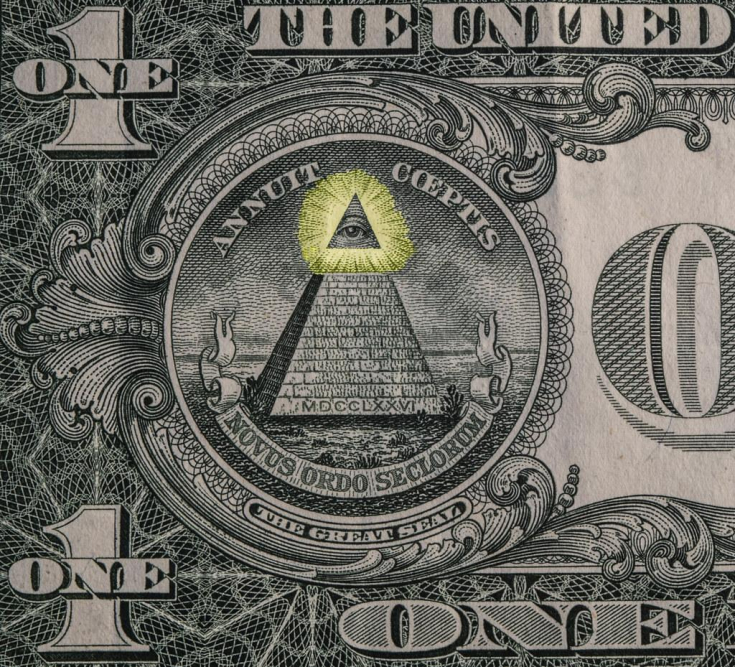
Annuit Coeptis is a Latin phrase that has intrigued historians and scholars for centuries. Translated to English as “He favors our undertakings,” it is often associated with the Great Seal of the United States, where it appears above the Eye of Providence. In this article, we will delve into the origins and meaning of this phrase, its significance in American history, and its continued relevance in contemporary society. Join us as we explore the fascinating story behind Annuit Coeptis and its place in the cultural fabric of the United States.
Table of Contents
- Understanding the Meaning and Origin of Annuit Coeptis
- The Symbolism and Significance of Annuit Coeptis in American Culture
- Practical Applications of the Motto Annuit Coeptis in Modern Society
- Recommendations for Incorporating the Principles of Annuit Coeptis into Daily Life
- Q&A
- Wrapping Up
Understanding the Meaning and Origin of Annuit Coeptis
The phrase “annuit coeptis” has its roots in ancient Roman culture, specifically in the writings of the poet Virgil. It translates to “He (God) has favored our undertakings” and has been used historically to invoke the blessing and guidance of a higher power on various endeavors. The phrase was selected by Continental Congress artist, Pierre Du Simitiere, and recommended by the first Great Seal committee in 1776. It was eventually adopted as part of the United States Great Seal in 1782, symbolizing the divine guidance and favor believed to have led to the country’s independence.
In the context of the Great Seal, “annuit coeptis” is often depicted alongside the Eye of Providence, which is a symbol of divine watchfulness, and a pyramid, which represents strength and longevity. The combination of these elements serves as a reminder of the nation’s founding principles and the belief in the guiding hand of a higher power in the country’s affairs.
- Origin: Ancient Rome
- Meaning: “He (God) has favored our undertakings”
- First Usage: Recommended by Pierre Du Simitiere in 1776
- Adopted on: United States Great Seal in 1782
| Element | Symbolism |
|---|---|
| Eye of Providence | Divine watchfulness |
| Pyramid | Strength and longevity |
This emblematic phrase has continued to be a source of inspiration and reflection, emphasizing the role of providence in the success of personal and national endeavors. Whether on the currency or in historical documents, it serves as a powerful reminder of the ideals and beliefs upon which the United States was founded.
The Symbolism and Significance of Annuit Coeptis in American Culture
Annuit Coeptis is a Latin phrase that translates to “He (God) has favored our undertakings.” It is prominently featured on the reverse side of the Great Seal of the United States and on the one-dollar bill. This phrase is a reflection of the founding fathers’ belief in divine providence and the idea that the success of the United States is guided by a higher power.
The symbolism of Annuit Coeptis dates back to the American Revolution, when the Continental Congress appointed a committee to design a seal for the newly formed country. The final design, which includes the Eye of Providence atop an unfinished pyramid, was meant to represent the strength and durability of the new nation, with the Latin phrase signifying its divine support. The phrase, along with the imagery, have become deeply ingrained in American culture and serve as a reminder of the nation’s founding principles.
- Great Seal of the United States: Features the phrase Annuit Coeptis above the Eye of Providence
- One-dollar bill: Includes the phrase on the reverse side, as part of the Great Seal
- National symbolism: Represents the idea of divine favor and guidance in the country’s success
| Symbol | Meaning | Representation |
|---|---|---|
| Eye of Providence | Divine watchfulness | American government’s focus on the common good |
| Unfinished Pyramid | Strength and longevity | America’s ongoing growth and development |
| Annuit Coeptis | Divine favor | Founding fathers’ belief in divine support for the nation |
Practical Applications of the Motto Annuit Coeptis in Modern Society
The phrase “annuit coeptis” is Latin for “he has favored our undertakings” and is often used to signify divine providence or approval. In modern society, this motto can be practically applied in various ways, from personal motivation to corporate branding.
For individuals, annuit coeptis can serve as a reminder to stay focused and determined in pursuing goals. It can be a source of inspiration, encouraging people to believe that a higher power is supporting their efforts. This can be especially helpful during challenging times, providing a sense of comfort and reassurance.
In the business world, companies may adopt the motto as part of their branding strategy to convey a message of trustworthiness and success. It can be used to create a positive image and attract customers who value companies with a strong sense of purpose and direction. Companies may incorporate the motto into their logos, mission statements, or advertising campaigns.
Here is an example of how a company may utilize “annuit coeptis” in their branding:
| Company | Industry | Use of Motto |
|---|---|---|
| Providence Financial | Finance | Logo and tagline |
| Divine Apparel | Retail | Mission statement |
| Guiding Light Technologies | Technology | Advertising campaign |
Additionally, “annuit coeptis” can be used by organizations as a guiding principle, shaping company culture and influencing decision-making processes. It can serve as a reminder to prioritize ethical practices and strive for excellence in all endeavors.
Recommendations for Incorporating the Principles of Annuit Coeptis into Daily Life
The phrase “annuit coeptis” translates to “He approves our undertakings” and is often associated with the idea of divine providence or guidance. Incorporating this principle into daily life can be as simple as being mindful of the choices we make and trusting that a higher power supports our efforts. Here are a few recommendations for applying this concept in practical ways:
- Set intentions: Begin each day by setting a clear intention for what you hope to achieve. This can be as specific or general as you like, but the key is to have a goal in mind that you believe is supported by a higher power.
- Practice gratitude: Take a few moments each day to reflect on the things you are grateful for. This can help you recognize the ways in which your efforts are being supported and encouraged.
- Seek guidance: When faced with a difficult decision, take some time to meditate or pray for guidance. Trust that you will be led to the right choice.
In addition to these daily practices, you can also incorporate the principle of annuit coeptis into your life by being of service to others. Helping those in need is a great way to align yourself with a higher purpose and feel supported in your own pursuits. Consider volunteering at a local charity or offering your skills to a community project.
| Activity | How it Incorporates Annuit Coeptis |
|---|---|
| Morning meditation | Setting intentions and seeking guidance for the day ahead |
| Keeping a gratitude journal | Recognizing the support and blessings in your life |
| Volunteer work | Being of service to others and aligning with a higher purpose |
Q&A
Q: What does “annuit coeptis” mean?
A: “Annuit coeptis” is a Latin phrase meaning “He approves of the undertaking” or “He has favored our undertakings.”
Q: Where is “annuit coeptis” found?
A: “Annuit coeptis” is found on the reverse side of the Great Seal of the United States.
Q: What is the significance of “annuit coeptis”?
A: The phrase is meant to symbolize the belief that the United States has been favored and approved by a higher power in its founding and its subsequent endeavors.
Q: When was “annuit coeptis” first used?
A: The phrase was first used in 1782 on the Great Seal of the United States, which was officially adopted in 1789.
Q: Is “annuit coeptis” still relevant today?
A: Yes, “annuit coeptis” is still featured on the Great Seal of the United States and continues to symbolize the nation’s belief in divine providence and favor in its endeavors.
Wrapping Up
In conclusion, “annuit coeptis” is a Latin phrase that has been adopted as a motto by the United States government. It is featured on the Great Seal of the United States and is often translated to mean “He approves our undertakings” or “He has favored our undertakings”. The phrase has historical significance and continues to be a symbol of the nation’s values and beliefs. Understanding its meaning and origins can give us a deeper appreciation for its presence on our currency and in our national iconography.

