



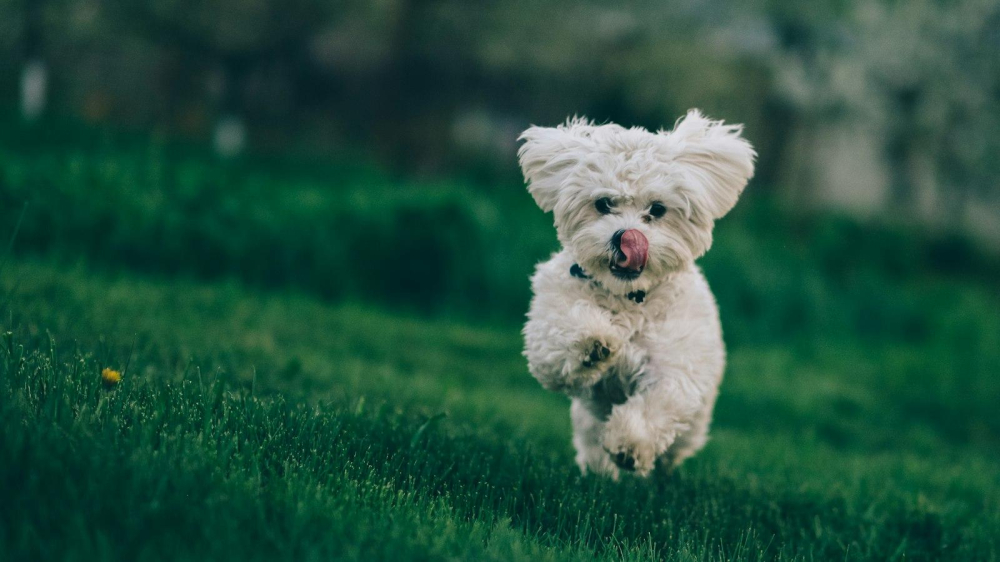
For centuries, dogs have been labeled as man’s best friend, known for their loyalty, companionship, and the ability to express joy through their wagging tails and eager licks. Yet, many pet owners have often pondered whether dogs are capable of something even more human-like -smiling. In this article, we will delve into the fascinating world of canine behavior to determine once and for all: Can dogs actually smile? By examining scientific research and studying their body language, we aim to provide a definitive answer to this age-old question.
Table of Contents
- Smiling in Dogs: Understanding Canine Facial Expressions
- The Science Behind Dog Smiles: Decoding Facial Muscles and Expressions
- Do Dogs Smile to Communicate? The Function of Canine Smiling
- How to Recognize a Genuine Dog Smile: Cues and Indicators
- Common Misconceptions About Dog Smiles: Separating Myth from Reality
- Q&A
- Final Thoughts
Smiling in Dogs: Understanding Canine Facial Expressions
It’s a common belief among dog owners that their furry friends can smile, but can dogs actually smile? Understanding canine facial expressions can help us decipher whether our pets are truly grinning or if it’s just a trick of our imaginations.
When it comes to dog smiles, it’s essential to distinguish between a genuine smile and an expression that merely resembles one. Dogs can exhibit facial expressions that may appear to be a smile to us, but it’s crucial to discern whether this expression is a result of happiness or another emotion. Understanding the nuances of canine facial expressions can help us interpret our pets’ feelings more accurately.
One way to determine if a dog is truly smiling is to observe their entire body language. A relaxed and open posture, along with a wagging tail and relaxed ears, can indicate genuine happiness. Additionally, a dog’s eyes can also convey their emotional state, with squinty eyes often signaling contentment. Understanding these subtle cues can help us discern whether our dogs are genuinely smiling or if their expression is a result of another emotion.
The Science Behind Dog Smiles: Decoding Facial Muscles and Expressions
Dogs have powerful facial muscles that allow them to convey a wide range of emotions through their expressions. The “smile” that many dog owners interpret as a sign of happiness is actually a combination of muscle movements that create the appearance of a grin. Understanding the science behind dog smiles can help us better interpret our furry friends’ emotions and strengthen the bond between humans and dogs.
One key muscle involved in the “smile” is the zygomaticus major, which is responsible for pulling the corners of the mouth upward. Additionally, the orbicularis oculi muscle, which raises the cheeks and creates “crow’s feet” around the eyes, can also contribute to the appearance of a dog’s smile. These muscle movements are often accompanied by a relaxed body posture, a wagging tail, and other non-verbal cues that indicate a dog is feeling content and at ease.
Research has shown that dogs are capable of experiencing a wide range of emotions, including joy and contentment. While they may not smile in the same way humans do, their facial expressions and body language can provide valuable insights into their emotional state. By learning to decode these cues, dog owners can better understand and respond to their pets’ needs, ultimately strengthening the bond between canine companions and their human counterparts.
Do Dogs Smile to Communicate? The Function of Canine Smiling
Dogs are known for their ability to communicate with humans and their own kind through a variety of body language cues. One of these cues that often gets labeled as a “smile” is when a dog pulls back its lips and shows its teeth in what appears to be a happy expression. However, the reality is that this behavior is not a true smile in the way humans understand it. Instead, it is a sign of submission or anxiety.
When a dog pulls its lips back and shows its teeth, it is often a sign that the animal is feeling uncomfortable or trying to appease a perceived threat. This can happen when a dog is feeling intimidated by a more dominant animal or is trying to convey that it is not a threat itself. In some cases, this behavior can be a response to fear or stress, rather than happiness or contentment.
It’s important for dog owners to understand that this “smiling” behavior is not always a positive expression. Misinterpreting a dog’s body language can lead to misunderstandings and potential conflicts. By learning to recognize the true meaning behind a dog’s “smile,” owners and other individuals can better understand and communicate with their canine companions.
How to Recognize a Genuine Dog Smile: Cues and Indicators
When it comes to dogs, their facial expressions can often be misinterpreted by humans. While it may seem like your furry friend is smiling, the reality is a bit more complicated. There are specific cues and indicators that can help you recognize a genuine dog smile. Understanding these cues can help you better communicate with and understand your canine companion.
One of the most common signs of a genuine dog smile is a relaxed and open mouth. When a dog is content and happy, their mouth may be slightly open, with their tongue lolling out. Additionally, their eyes will be soft and squinty, indicating a sense of ease and comfort. Another indicator of a genuine dog smile is a wagging tail, especially if it is accompanied by a relaxed body posture. Pay attention to the overall body language of your dog to determine if their smile is genuine.
It’s important to note that not all dog smiles are genuine. Sometimes, a dog may bare their teeth in what appears to be a smile, but is actually a sign of aggression or fear. Understanding the difference between a genuine smile and a potentially threatening expression is crucial for your own safety and the well-being of your pet. By paying attention to the cues and indicators of a genuine dog smile, you can strengthen the bond with your furry friend and ensure their happiness and comfort.
Common Misconceptions About Dog Smiles: Separating Myth from Reality
There are many misconceptions about whether or not dogs can actually smile. While it’s easy to anthropomorphize our pets and attribute human-like emotions to them, the reality is that dogs have their own unique ways of expressing happiness and contentment. Let’s take a closer look at some common myths and separate them from the truth.
Myth: Dogs smile in the same way that humans do.
Reality: While dogs can certainly show happiness through body language and facial expressions, their ”smiles” are not the same as human smiles. When a dog appears to be “smiling,” they are often displaying a relaxed open mouth, with their tongue lolling out and a wagging tail. It’s a sign of contentment and relaxation, rather than an expression of emotion in the same way that humans smile.
Myth: A dog’s smile is always a sign of friendliness and happiness.
Reality: While a dog’s smile can indicate happiness, it’s important to consider the context and the rest of the dog’s body language. A dog that is baring its teeth in a rigid or tense manner may actually be displaying aggression or fear, which can be misconstrued as a smile. It’s crucial to consider the full range of a dog’s body language to determine their emotional state accurately.
Q&A
Q: Can dogs actually smile?
A: Yes, dogs are capable of expressing happiness and contentment through a form of smiling.
Q: How can we tell if a dog is smiling?
A: A dog’s smile can be identified by a relaxed face, open mouth, and slightly upturned lips. Additionally, their eyes may appear soft and relaxed, indicating a positive emotional state.
Q: Is a dog’s smile similar to a human smile?
A: While a dog’s smile may resemble a human smile to some extent, it is important to remember that dogs and humans express emotions differently. A dog’s smile is a unique form of communication specific to their species.
Q: Are all dog breeds capable of smiling?
A: Yes, all dog breeds are capable of expressing happiness through what appears to be a smile. However, some breeds may naturally have facial features that make their smiles more or less apparent.
Q: Can a dog’s smile indicate other emotions?
A: A dog’s smile can often indicate happiness and contentment, but it is important to consider other body language and context when interpreting a dog’s emotional state. A smile may also be a response to fear, nervousness, or anxiety in certain situations.
Q: Can we train a dog to smile on command?
A: With proper positive reinforcement training, some dogs can learn to lift their lips or show their teeth in a way that resembles a smile. However, it is important to ensure that the training is conducted with the dog’s well-being in mind and that the behavior is not forced or unnatural for the animal.
Q: In conclusion, can dogs actually smile?
A: Yes, dogs are capable of expressing happiness and contentment through a form of smiling. Understanding a dog’s body language and context is crucial in accurately interpreting their emotional state.
Final Thoughts
In conclusion, the debate over whether dogs can actually smile is ongoing and complex. While it is widely accepted that dogs can display facial expressions that resemble a smile, the true emotional and cognitive implications behind these expressions remain a subject of scientific inquiry. As our understanding of animal behavior and communication continues to evolve, it is important to approach the topic with an open mind and consider the perspective of experts in the field. Whether or not dogs can truly smile in the same way that humans do, there is no denying the strong bond and connection that exists between dogs and their human counterparts, creating moments of joy and happiness that transcend any language or facial expression.

