



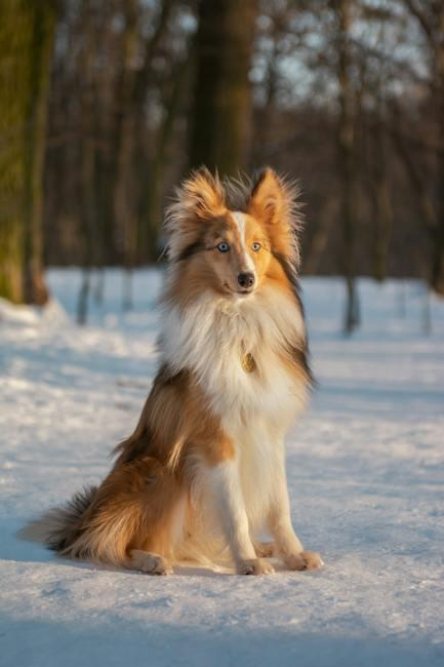
The origin of the Shetland Sheepdog, a beloved and intelligent breed of dog, is rooted in the rugged and remote Shetland Islands. The history of this breed is a fascinating exploration of the interplay between environmental factors, human intervention, and the development of specific genetic traits. By examining the origins of the Shetland Sheepdog, we gain a deeper understanding of the breed’s unique characteristics and its enduring appeal as a companion and working dog.
Table of Contents
- Origins of the Shetland Sheepdog: An Overview of Early Development
- The Origins of the Shetland Sheepdog Breed Standard and History
- Influences on the Shetland Sheepdog: An Exploration of Ancestral Breeds
- Understanding the Evolution of the Shetland Sheepdog’s Physical and Behavioral Traits
- Hereditary Health Concerns and Breeding Considerations for Shetland Sheepdogs
- Q&A
- In Summary
Origins of the Shetland Sheepdog: An Overview of Early Development
The Shetland Sheepdog, often affectionately referred to as the Sheltie, is a small to medium-sized herding dog that originated in the Shetland Islands of Scotland. This breed was developed to assist farmers in herding and protecting their flocks of sheep in the harsh and rugged terrain of the island. The origins of the Shetland Sheepdog can be traced back to the early 20th century when it was bred from a combination of the indigenous Shetland collie, which was a small working dog, and other mainland collie breeds.
One of the defining characteristics of the Shetland Sheepdog is its intelligence and agility, making it well-suited for herding and obedience work. The breed was originally recognized by the American Kennel Club (AKC) in 1911, and its popularity has grown steadily over the years. Today, the Shetland Sheepdog is known for its striking resemblance to the Rough Collie, albeit in a smaller size, as well as its keen herding instincts and loyal nature. Despite its smaller stature, the Shetland Sheepdog retains the same herding abilities and work ethic as its larger cousins, making it a versatile and capable working dog.
The Origins of the Shetland Sheepdog Breed Standard and History
Shetland Sheepdogs, also known as Shelties, have a rich history that dates back to the Shetland Islands of Scotland. These intelligent and agile dogs were originally bred to herd sheep in the harsh and unforgiving terrain of the Shetland Islands. The breed standard for Shetland Sheepdogs was first established in the early 20th century, with the goal of creating a well-balanced and versatile working dog.
The origins of the Shetland Sheepdog breed standard can be traced back to the early efforts of breed enthusiasts and experts who sought to preserve the unique traits and abilities of these remarkable dogs. Over the years, the breed standard has evolved to encompass a wide range of characteristics, including physical appearance, temperament, and working abilities. Today, the Shetland Sheepdog is recognized as a highly adaptable and versatile breed, excelling in various canine sports and activities.
When it comes to the history of the Shetland Sheepdog, it is important to recognize the significant contributions of early breeders and fanciers who played a pivotal role in shaping the breed as we know it today. Their dedication and passion for preserving the integrity of the Sheltie’s heritage have paved the way for the breed’s continued success and popularity.
Influences on the Shetland Sheepdog: An Exploration of Ancestral Breeds
Shetland Sheepdogs, or Shelties as they are affectionately known, are a beloved and popular breed with a rich and fascinating history. One of the most intriguing aspects of the Shetland Sheepdog is its ancestral influences, which have shaped the breed into what it is today.
**Ancestral Breeds**
The Shetland Sheepdog’s lineage can be traced back to a variety of ancestral breeds that have played a role in shaping its characteristics and temperament. Some of the most notable influences on the Shetland Sheepdog include:
- Collie breeds, including the Border Collie and Rough Collie, which have contributed to the Sheltie’s herding instincts and intelligence.
- Spitz-type breeds, such as the Icelandic Sheepdog and the Norwegian Buhund, which have influenced the Sheltie’s appearance and agility.
- Rough-coated small herding dogs native to the Shetland Islands, which were likely the original ancestors of the Shetland Sheepdog and have imparted their hardy and resilient nature to the breed.
**Cultural and Environmental Factors**
In addition to these ancestral influences, the cultural and environmental factors of the Shetland Islands have also played a significant role in shaping the Shetland Sheepdog. The rugged terrain and harsh climate of the islands have contributed to the breed’s adaptability, endurance, and weather-resistant coat. Furthermore, the close-knit and isolated communities on the islands have fostered a strong sense of loyalty and companionship in the Shetland Sheepdog, traits that continue to define the breed to this day.
Understanding the Evolution of the Shetland Sheepdog’s Physical and Behavioral Traits
The Shetland Sheepdog, often referred to as the Sheltie, has a fascinating history that dates back to the Shetland Islands of Scotland. This intelligent and agile breed was originally developed for herding and protecting livestock in the harsh and rugged terrain of the islands. Over time, the physical and behavioral traits of the Shetland Sheepdog have evolved to optimize its performance in these specific roles.
Physically, the Shetland Sheepdog has undergone changes that have enhanced its ability to thrive in challenging environments. The breed’s compact and muscular build, along with its agile and nimble movement, make it well-suited for navigating rough terrain and swiftly herding livestock. Additionally, the Shetland Sheepdog boasts a luxurious double coat that provides insulation and protection from the elements, a feature that has been honed through generations of selective breeding.
Behaviorally, the Shetland Sheepdog exhibits traits that reflect its history as a herding and guarding companion. This breed is known for its intelligence, loyalty, and strong work ethic, traits that have been carefully preserved and cultivated by breeders over the years. Today, the Shetland Sheepdog continues to excel in activities such as obedience, agility, and herding trials, showcasing its remarkable instinct and versatility.
Key Physical Traits of the Shetland Sheepdog:
- Compact and agile build
- Luxurious double coat for insulation
- Nimble movement for herding
Distinct Behavioral Traits of the Shetland Sheepdog:
- Intelligence and problem-solving skills
- Loyalty and strong work ethic
- Instinctual herding abilities
Hereditary Health Concerns and Breeding Considerations for Shetland Sheepdogs
Shetland Sheepdogs, also known as Shelties, have a rich and intriguing history that dates back to the Shetland Islands, off the northeast coast of Scotland. These intelligent and agile herding dogs were originally bred to help farmers manage their sheep and other livestock in the harsh and rugged terrain of the islands. Their ancestors include a mix of small working collies, Scandinavian spitz breeds, and possibly even some long-haired collies brought over by Scottish farmers.
When considering the breeding of Shetland Sheepdogs, it’s crucial to be aware of the hereditary health concerns that can affect this beloved breed. By understanding these factors, breeders can make informed decisions to prioritize the health and well-being of future generations of Shelties. Some of the most common hereditary health concerns in Shetland Sheepdogs include:
- Collie Eye Anomaly (CEA)
– Hip Dysplasia
- von Willebrand’s Disease
- Dermatomyositis
- Thyroid Disease
– Epilepsy
By taking these hereditary health concerns into account, breeders can work to minimize the risk of passing on these conditions to offspring through responsible breeding practices. Regular health screenings, genetic testing, and careful selection of breeding pairs can help mitigate these risks and ensure the long-term health of the Shetland Sheepdog breed.
Q&A
Q: What is the origin of the Shetland Sheepdog breed?
A: The Shetland Sheepdog, also known as the Sheltie, originated in the Shetland Islands of Scotland.
Q: What is the history of the Shetland Sheepdog?
A: The breed was developed as a herding dog, specifically to work with the small and agile sheep native to the Shetland Islands.
Q: What breeds were involved in the development of the Shetland Sheepdog?
A: The Shetland Sheepdog is believed to be descended from Scottish herding dogs, possibly with some Collie ancestry.
Q: When did the Shetland Sheepdog first gain recognition as a breed?
A: The breed was officially recognized by the Kennel Club in 1909, and by the American Kennel Club in 1911.
Q: What are the physical characteristics of the Shetland Sheepdog?
A: The Shetland Sheepdog is a small to medium-sized dog, with a long, dense double coat. They are known for their distinctive “mane” and fringed tail.
Q: What is the temperament of the Shetland Sheepdog?
A: Shelties are known for their intelligence, loyalty, and agility. They are also known to be sensitive and responsive to their owners.
Q: What is the Shetland Sheepdog’s role today?
A: While they are still used as herding dogs in some parts of the world, Shetland Sheepdogs are more commonly kept as companion animals and are popular in dog sports such as agility and obedience trials.
In Summary
In conclusion, the origin of the Shetland Sheepdog is a fascinating and complex historical journey that has shaped this breed into the beloved companion it is today. From its humble beginnings as a working dog in the remote islands of Shetland to its evolution into a popular show and family pet, the Shetland Sheepdog’s origin is a testament to the resilience, adaptability, and intelligence of this remarkable breed. Understanding its history provides valuable insight into the breed’s unique characteristics and helps to foster a deeper appreciation for the Shetland Sheepdog’s enduring legacy. As we continue to celebrate and cherish the Shetland Sheepdog, it is important to remember and honor its rich and storied origin.

