



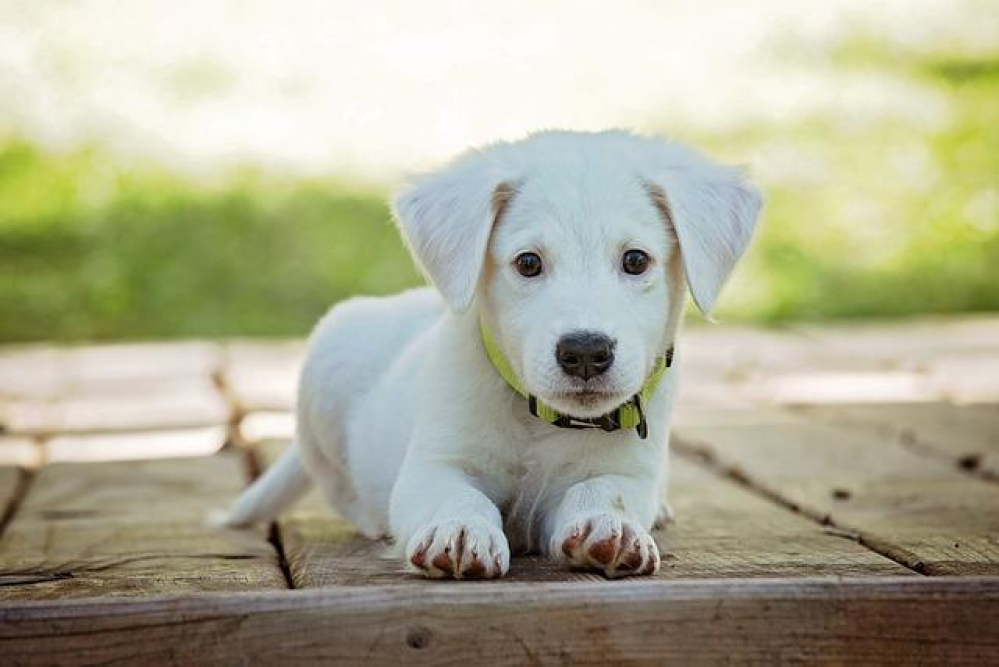
A critical aspect of welcoming a new puppy into your home is ensuring that your living space is properly puppy-proofed. From potential hazards to valuable belongings, a thorough preparation is key to maintaining a safe and secure environment for your new furry companion. In this article, we will discuss the essential steps and considerations to take when puppy-proofing your house, providing an authoritative guide for new and experienced pet owners alike.
Table of Contents
- Essential Areas to Puppy-Proof in Your Home
- Understanding Potential Hazards for Puppies in the House
- Tips for Safely Storing Household Chemicals and Medications
- Creating a Safe and Secure Play Area for Your Puppy
- Training and Consistency for Successful Puppy-Proofing
- Q&A
- Wrapping Up
Essential Areas to Puppy-Proof in Your Home
When bringing a new puppy into your home, it’s important to ensure that your space is safe and secure for your new furry friend. There are several essential areas in your home that should be puppy-proofed to prevent any accidents or mishaps. By taking the time to properly puppy-proof your living space, you can create a safe environment for your new pet to explore and play in.
One of the first areas to focus on when puppy-proofing your home is the kitchen. This is a common area for potential hazards, as there are often small objects, chemicals, and food scraps that can be harmful to a curious puppy. Be sure to secure any cabinets or drawers that contain cleaning products or sharp objects, and make sure that all food items are stored out of reach. Additionally, it’s important to keep trash cans covered and inaccessible to prevent your puppy from getting into anything harmful.
Another essential area to puppy-proof in your home is the living room. This is often a central hub of activity, and there may be several potential hazards for your new pet. Be sure to secure any electrical cords or wires to prevent chewing, and remove any small items such as toys or decorations that could be a choking hazard. Additionally, consider using baby gates to block off areas that you don’t want your puppy to access, such as stairs or certain rooms. By taking the time to puppy-proof these essential areas in your home, you can create a safe and welcoming environment for your new pet to thrive in.
Understanding Potential Hazards for Puppies in the House
Common Hazards for Puppies in the House
Puppies are curious creatures and love to explore their surroundings, which can sometimes lead to accidents. As a responsible pet owner, it’s essential to puppy-proof your house to ensure their safety. Here are some potential hazards to be aware of:
1. Electrical Cords
Puppies love to chew on things, and electrical cords can be very tempting. To prevent your puppy from getting electrocuted, make sure to secure all cords out of their reach or use cord protectors to cover them.
2. Toxic Plants
Many common household plants, such as lilies, azaleas, and philodendrons, can be toxic to puppies if ingested. Keep these plants out of reach or consider switching to pet-safe alternatives.
3. Small Objects
Puppies love to play and explore, but small objects like coins, buttons, or jewelry can pose a choking hazard. Keep these items off the floor and out of your puppy’s reach.
4. Cleaning Products
Household cleaning products can be very toxic to puppies if ingested. Store these products in cabinets with child-proof locks or high shelves to prevent accidental poisoning.
By being aware of these potential hazards for puppies in the house, you can take the necessary steps to puppy-proof your home and create a safe environment for your furry friend. Always supervise your puppy, especially in the early stages, and provide them with plenty of safe toys and activities to keep them entertained and out of trouble. Remember, prevention is the key to keeping your puppy happy and healthy in their new home.
Tips for Safely Storing Household Chemicals and Medications
Keeping your household chemicals and medications safely stored is crucial, especially if you have a puppy in the house. Puppies are curious creatures and they love to explore their surroundings, often putting them at risk of accidentally ingesting harmful substances. Here are some to protect your furry friend:
1. **Store all chemicals and medications in high, locked cabinets or shelves that are out of your puppy’s reach.** This includes cleaning supplies, laundry detergents, and any prescription or over-the-counter medications.
2. **Use childproof locks on cabinets or drawers where chemicals and medications are stored.** These locks are designed to prevent children from accessing them, and they can also help keep your puppy out.
3. **Never leave chemicals or medications unattended.** Even if you’re just stepping away for a few minutes, it only takes a moment for a puppy to get into something they shouldn’t. Always put them away immediately after use.
When puppy proofing your home, it’s essential to be proactive in preventing access to potentially harmful substances. By following these tips, you can create a safe environment for both your puppy and your family.
Creating a Safe and Secure Play Area for Your Puppy
When bringing a new puppy into your home, it’s important to ensure that the environment is safe and secure for them to play and explore. Puppy proofing your house will not only keep your furry friend out of harm’s way but also give you peace of mind knowing that they are in a secure environment. Here are some tips for :
**1. Remove Toxic Plants:**
– Identify and remove any toxic plants from your home or yard that could be harmful to your puppy if ingested.
**2. Secure Electrical Cords and Outlets:**
– Keep electrical cords out of reach and use outlet covers to prevent your puppy from getting shocked or injured.
**3. Store Hazardous Chemicals Safely:**
- Store cleaning products, chemicals, and medications in secure cabinets or high shelves to prevent accidental poisoning.
is essential for their well-being and your peace of mind. By taking these proactive steps, you can ensure that your puppy can play and explore their new environment without any unnecessary risks.
Training and Consistency for Successful Puppy-Proofing
When it comes to puppy-proofing your house, the key to success lies in training and consistency. With a few simple steps and ongoing reinforcement, you can create a safe and secure environment for your furry friend, while also protecting your belongings from potential damage.
To start, it’s important to establish boundaries and rules for your puppy from day one. Use positive reinforcement techniques to teach them what is and isn’t acceptable behavior. Consistency is key here – make sure that everyone in the household is on the same page and enforces the same rules. This will help your puppy understand what is expected of them and minimize any confusion.
Additionally, provide plenty of appropriate outlets for your puppy’s energy and curiosity. Interactive toys, puzzle feeders, and safe chewing options can help redirect their attention away from forbidden items and onto more suitable diversions. By combining training and consistent reinforcement with the right environment, you can set your puppy up for success and create a harmonious living space for both of you.
Q&A
Q: Why is it important to puppy proof your house?
A: Puppy proofing your house is important to ensure the safety of your new furry friend and to protect your belongings from potential damage.
Q: What are some common household items that should be removed or secured when puppy proofing?
A: Common household items that should be removed or secured when puppy proofing include electrical cords, small objects that could be choking hazards, toxic plants, and household chemicals.
Q: How can I prevent my puppy from chewing on furniture and household items?
A: To prevent your puppy from chewing on furniture and household items, consider using bitter sprays, offering appropriate chew toys, and providing plenty of exercise and mental stimulation.
Q: Are there any specific areas of the house that require special attention when puppy proofing?
A: Yes, areas such as the kitchen, bathroom, and garage often require special attention when puppy proofing due to the presence of potential hazards such as sharp objects, toxic substances, and small spaces that could pose a danger to your puppy.
Q: What are some tips for making a backyard safe for a new puppy?
A: Tips for making a backyard safe for a new puppy include securing fences and gates, removing poisonous plants, and providing shade and water for your puppy to stay cool and hydrated.
Q: How can I train my puppy to stay away from certain areas or items in the house?
A: To train your puppy to stay away from certain areas or items in the house, consider using positive reinforcement, crate training, and consistently redirecting their attention to appropriate behaviors and objects.
Q: What should I do if my puppy ingests something they shouldn’t have?
A: If your puppy ingests something they shouldn’t have, it’s important to contact your veterinarian immediately for guidance and potential treatment. Additionally, consider keeping the number for the Animal Poison Control Center on hand for emergencies.
Wrapping Up
In conclusion, puppy proofing your house is crucial in ensuring the safety and well-being of your new furry family member. By taking the necessary precautions and making necessary adjustments to your home, you can create a secure and enjoyable environment for your puppy to thrive in. Remember to consistently evaluate and update your puppy proofing measures as your puppy grows and becomes more curious and adventurous. With diligence and foresight, you can effectively puppy proof your house and provide a safe and happy home for your beloved canine companion.
Auto Amazon Links: No products found.

