



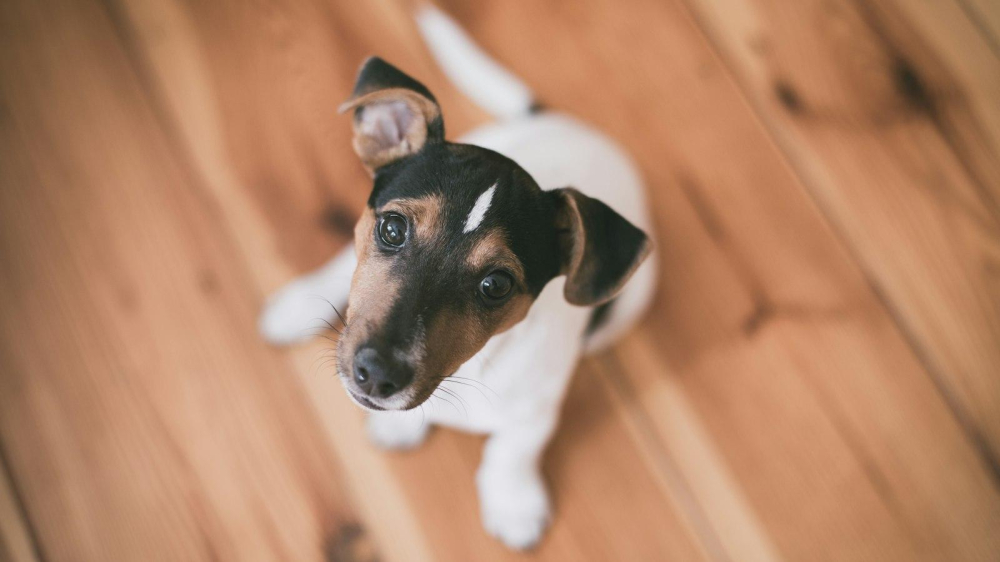
Puppy proofing your home is a crucial step in providing a safe environment for your new furry family member. From electrical cords to household chemicals, there are countless potential hazards that can pose a threat to your puppy’s health and safety. In this article, we will explore the essential steps and precautions to take in order to effectively puppy proof your living space. By following these guidelines, you can ensure a secure and protected environment for your beloved pet.
Table of Contents
- Identifying Potential Hazards in Your Home
- Securing Dangerous Items and Areas
- Choosing Safe Toys and Play Areas for Your Puppy
- Creating a Safe Outdoor Environment for Your Puppy
- Training Your Puppy to Avoid Hazards
- Q&A
- In Conclusion
Identifying Potential Hazards in Your Home
When bringing a new puppy into your home, it’s important to recognize and address potential hazards to keep them safe. One of the most critical steps in ensuring your puppy’s safety is puppy proofing your living space. By identifying and eliminating potential hazards, you can create a safe environment for your new furry friend to explore and thrive in.
Some common hazards to consider when puppy proofing your home include:
- Electrical Cords: Puppies are prone to chewing on cords, which can lead to electrical shock or injury. Keep cords out of reach or use cord protectors to prevent chewing.
- Household Chemicals: Store cleaning supplies, chemicals, and medications in locked cabinets to prevent accidental ingestion.
- Small Objects: Puppies may swallow small objects, leading to choking or intestinal blockages. Keep small items such as coins, jewelry, and small toys out of reach.
Securing Dangerous Items and Areas
When it comes to puppy proofing your home, it’s essential to secure dangerous items and areas to ensure the safety of your furry friend. Puppies are naturally curious and love to explore their surroundings, often getting into mischief along the way. By taking the necessary precautions, you can prevent accidents and keep your puppy safe and happy.
One of the first steps in is to identify potential hazards in your home. This includes anything that could be toxic, choking hazards, or potentially harmful to your puppy. Common items to be mindful of include cleaning products, electrical cords, small objects, and sharp items. It’s important to keep these items out of reach or securely stored to prevent your puppy from accessing them.
In addition to securing dangerous items, it’s also crucial to designate safe areas for your puppy to roam. This can be achieved by using baby gates to block off certain rooms or areas of the house that may pose a risk to your puppy. Establishing a safe space for your puppy not only helps to prevent accidents but also gives them a sense of security and boundaries. By taking these measures, you can create a safe and comfortable environment for your puppy to thrive in.
Choosing Safe Toys and Play Areas for Your Puppy
When it comes to welcoming a new puppy into your home, it’s important to take the necessary steps to ensure their safety and well-being. Puppy proofing your living space involves not only choosing safe toys, but also designating secure play areas for your furry friend to enjoy. To prevent accidents and keep your puppy out of harm’s way, consider the following tips for selecting safe toys and play areas.
**Choosing Safe Toys:**
– Opt for toys specifically designed for puppies, as they are made with softer materials and are the appropriate size for small mouths.
– Look for toys that are free of small parts, sharp edges, and toxic materials that could be harmful if ingested.
– Consider interactive toys that engage your puppy’s mind and provide mental stimulation, such as puzzle feeders and treat-dispensing toys.
**Creating Secure Play Areas:**
– Set up a designated play area for your puppy using baby gates or exercise pens to restrict access to potentially hazardous areas of your home.
- Remove any potential choking hazards and dangerous items from your puppy’s play area, such as electrical cords, toxic plants, and small objects.
– Provide a comfortable and safe space for your puppy to rest and play, with access to water, a soft bed, and plenty of toys to keep them entertained.
Incorporating these practices will not only keep your puppy safe, but also provide them with a nurturing environment to thrive in as they explore their new surroundings. By making informed choices when selecting toys and setting up play areas, you can create a secure and enjoyable environment for your puppy to grow and play in.
Creating a Safe Outdoor Environment for Your Puppy
When it comes to puppy proofing your outdoor space, there are several important factors to consider. By taking the time to assess and address potential hazards, you can ensure that your puppy stays safe while enjoying the great outdoors. Here are some tips to help you create a safe outdoor environment for your furry friend:
Secure your yard
One of the first steps in is to secure your yard. Make sure that your fence is in good repair and that there are no gaps or holes that your puppy could escape through. Additionally, check for any toxic plants or substances in your yard and remove them to prevent accidental ingestion.
Provide shade and shelter
Puppies, like humans, can easily become overheated in the sun. Make sure that your outdoor space provides plenty of shade and shelter for your puppy to retreat to when the sun is at its peak. This could be in the form of a covered patio, a dog house, or even a strategically placed tree.
Remove hazards
Take a walk around your outdoor space and look for potential hazards that could pose a risk to your puppy. This could include sharp objects, small spaces where your puppy could become trapped, or anything else that could be harmful. By removing these hazards, you can help prevent accidents and injuries.
By taking these steps to puppy proof your outdoor space, you can create a safe and enjoyable environment for your furry friend to explore and play in. Remember, supervision is key when it comes to keeping your puppy safe outdoors, so always keep a watchful eye on your pet when they are outside.
Training Your Puppy to Avoid Hazards
Identifying and Eliminating Hazards
Puppy proofing your home is essential for the safety of your furry friend. Start by getting down on your hands and knees to see the world from your puppy’s perspective, and identify potential hazards. Remove any small objects that could be swallowed, such as coins, batteries, or small toys. Keep electrical cords out of reach and secure them with cord protectors if necessary. Also, cover any exposed outlets to prevent your puppy from getting shocked. Additionally, secure any toxic plants or household chemicals in cabinets or out of reach.
Positive Reinforcement Training
Teach your puppy to avoid hazards by using positive reinforcement training techniques. For example, if your puppy approaches a hazardous area, redirect their attention to an approved toy or treat, and praise them when they engage with it. Consistency is key – be patient and persistent in redirecting your puppy away from hazards and rewarding them for making the right choices. Consider enrolling your puppy in obedience classes to reinforce positive behavior and socialization skills. will not only keep them safe but also strengthen the bond between you and your pet.
Q&A
Q: What is “puppy proofing”?
A: Puppy proofing refers to preparing and securing your home to ensure the safety of your new puppy and prevent any potential hazards or accidents.
Q: Why is puppy proofing important?
A: Puppies are naturally curious and playful, and they have a tendency to explore their environment with their mouths. Puppy proofing helps to prevent them from ingesting harmful items or getting into dangerous situations.
Q: What are some common hazards that should be addressed when puppy proofing?
A: Common hazards include small items that can be swallowed, toxic foods and plants, electrical cords, sharp objects, and access to areas such as balconies or pools that may pose a risk to the puppy.
Q: How can I puppy proof my home?
A: Puppy proofing your home involves securing or removing potential hazards, such as using baby gates to block off dangerous areas, keeping toxic substances out of reach, and avoiding leaving small items on the floor that can be swallowed.
Q: Are there any specific areas of the home that require extra attention when puppy proofing?
A: Areas such as the kitchen, bathroom, and outdoor spaces should be carefully puppy proofed, as these areas often contain potential hazards such as cleaning products, small objects, and toxic plants.
Q: How can I ensure that my puppy stays safe while I’m away from home?
A: When leaving your puppy alone, it’s important to confine them to a safe, puppy-proofed area such as a crate or a puppy-proofed room. Make sure to remove any potential hazards and provide safe toys and chews to keep them occupied.
In Conclusion
In conclusion, puppy proofing is essential for ensuring the safety and well-being of your furry companion. By taking proactive measures to eliminate potential hazards and providing appropriate outlets for their natural behaviors, you can create a secure and nurturing environment for your puppy to thrive. Remember to consistently reassess and modify your puppy proofing efforts as your puppy grows and develops. Ultimately, a well-puppy proofed home will not only keep your puppy safe, but also contribute to a harmonious and enriching relationship between you and your four-legged friend.

