



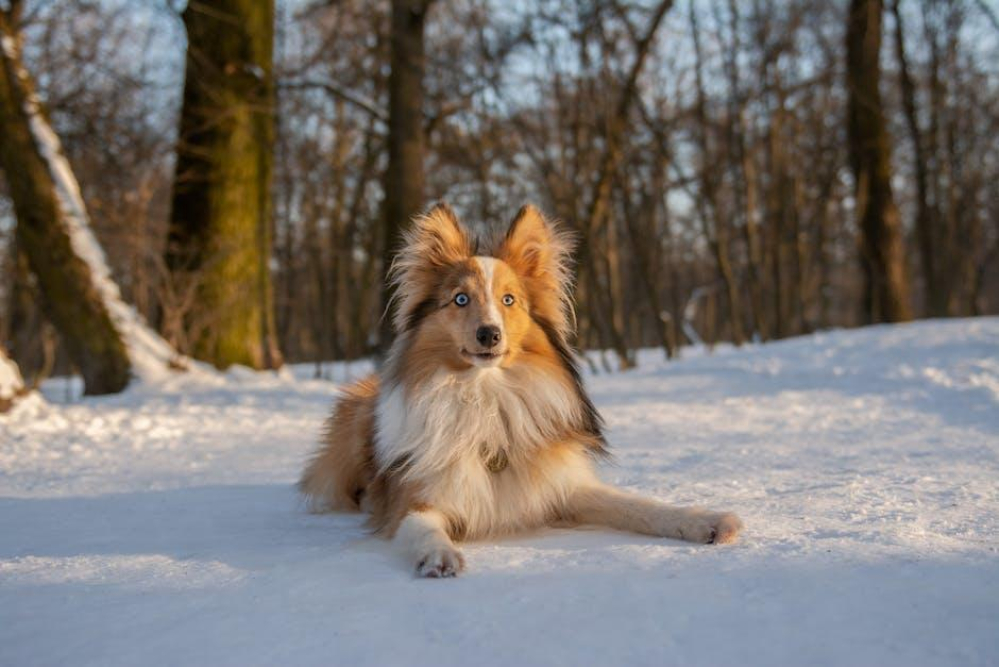
When a dog develops a wart that begins to bleed, it can be a concerning and potentially serious issue for pet owners. The presence of a bleeding wart on a dog may indicate a more serious underlying condition that requires prompt attention and medical intervention. In this article, we will explore the possible causes of a dog’s bleeding wart and discuss the necessary steps to address and treat this condition. It is important for pet owners to understand the potential implications of a bleeding wart on their dog and take appropriate action to ensure the health and well-being of their beloved pet.
Table of Contents
- Causes of Warts Bleeding in Dogs
- Signs and Symptoms to Look Out For
- Treatment Options for Bleeding Warts in Dogs
- Preventive Measures for Warts in Dogs
- Q&A
- In Retrospect
Causes of Warts Bleeding in Dogs
Warts in dogs are caused by the papillomavirus, and they are usually harmless growths that appear on the skin or mucous membranes. However, in some cases, warts can become irritated and start bleeding. There are several reasons why a dog’s wart may start bleeding, including:
- Friction: If the wart is located in an area where there is constant friction, such as the armpits or around the mouth, it may become irritated and start bleeding.
- Scratching or biting: Dogs may scratch or bite at their warts, causing them to bleed. This can be a result of discomfort or itchiness caused by the wart.
- Accidental trauma: Warts can also bleed if they are accidentally bumped or injured. This can happen during rough play or if the wart is in a location where it is easily bumped or knocked.
If your dog’s wart is bleeding, it’s important to keep the area clean to prevent infection. You can gently clean the area with mild soap and water, and then apply a small amount of an antiseptic ointment to help prevent infection. It’s also a good idea to monitor the area and make sure your dog is not irritating the wart further. If the bleeding persists or if you notice any other concerning symptoms, it’s best to consult with a veterinarian for further evaluation and treatment.
Signs and Symptoms to Look Out For
If you have noticed that your dog’s wart is bleeding, it is essential to pay close attention to any signs and symptoms that may indicate a more serious issue. Bleeding from a wart can be a cause for concern, as it could be a sign of infection or irritation. Here are some if your dog’s wart is bleeding:
– **Persistent Bleeding**: If the bleeding from the wart does not stop or continues to recur, it is important to seek veterinary attention. Persistent bleeding could indicate an underlying issue that needs to be addressed.
– **Change in Wart Appearance**: Keep an eye out for any changes in the size, color, or texture of the wart. If the bleeding is accompanied by these changes, it could be a sign of a more serious condition.
– **Behavioral Changes**: Watch for any changes in your dog’s behavior, such as licking or chewing at the wart excessively, limping, or showing signs of discomfort. These behaviors could indicate that the bleeding is causing your dog pain or discomfort.
If you notice any of these signs and symptoms, it is crucial to consult with your veterinarian to determine the underlying cause of the bleeding. Your vet can provide a proper diagnosis and recommend the best course of treatment for your dog’s wart. Remember, early detection and intervention can help prevent any potential complications.
Treatment Options for Bleeding Warts in Dogs
If you notice that your dog’s wart is bleeding, it’s essential to explore the various treatment options available to address this issue. Bleeding warts in dogs can be a cause for concern, but there are steps you can take to manage and treat them effectively.
One of the most common is cauterization. This procedure involves using heat or a chemical to burn or freeze off the wart, which can effectively stop the bleeding and encourage healing. Additionally, your veterinarian may recommend applying a styptic powder to the bleeding wart to help stop the bleeding and promote clotting. This can be a helpful at-home treatment option for minor bleeding warts.
In some cases, surgical removal of the bleeding wart may be necessary, particularly if it is large, causing discomfort, or recurring. Your veterinarian can assess the best course of action based on the severity of the bleeding wart and your dog’s overall health. It’s crucial to consult with a professional to determine the most suitable treatment option for your dog’s bleeding wart.
Preventive Measures for Warts in Dogs
If you’ve noticed that your dog’s wart is bleeding, it’s important to take immediate action to prevent infection and promote healing. Warts are small, benign growths on the skin caused by a virus, and they can sometimes become irritated and bleed. Here are some preventive measures you can take to care for your dog’s bleeding wart:
**Keep the Area Clean:** Use a gentle, pet-safe antiseptic solution to clean the area around the bleeding wart. This will help prevent infection and promote healing.
**Apply Pressure:** If the wart is actively bleeding, gently apply pressure with a clean cloth or gauze pad to help stop the bleeding. Be careful not to cause further irritation to the area.
**Protect the Wart:** To prevent further irritation and bleeding, consider covering the wart with a small, breathable bandage or adhesive strip. This will also help keep the area clean and free from dirt and debris.
**Monitor for Signs of Infection:** Keep a close eye on the bleeding wart for any signs of infection, such as increased redness, swelling, or discharge. If you notice any of these signs, consult with your veterinarian for further guidance.
Q&A
Q: What should I do if my dog’s wart is bleeding?
A: If your dog’s wart is bleeding, it is important to keep the area clean and apply gentle pressure to stop the bleeding. It is also recommended to seek veterinary care to determine the cause of the bleeding and to ensure proper treatment.
Q: Can I treat my dog’s bleeding wart at home?
A: While it is possible to clean the area and apply some basic first aid, it is always best to consult with a veterinarian to determine the underlying cause of the bleeding and to receive proper treatment recommendations.
Q: What could be causing my dog’s wart to bleed?
A: There are several potential causes for a dog’s wart to bleed, including trauma or irritation to the area, infection, or in some cases, the wart may have become cancerous. It is important to have a veterinarian evaluate the wart to determine the cause of the bleeding.
Q: How can I prevent my dog’s wart from bleeding in the future?
A: Depending on the underlying cause of the bleeding, prevention may involve keeping the area clean and preventing trauma or irritation to the wart. In some cases, treatment from a veterinarian may be necessary to prevent further bleeding.
Q: Are there any home remedies I can use to treat my dog’s bleeding wart?
A: While there are some home remedies that may help alleviate bleeding, such as cleaning the area with mild soap and water, it is important to consult with a veterinarian before attempting any home treatments. Home remedies may not address the underlying cause of the bleeding and could potentially worsen the situation.
In Retrospect
In conclusion, a bleeding wart on your dog is a cause for concern and should be addressed immediately by a veterinarian. It is important to not ignore any changes in your dog’s health, as they could be indicative of a larger underlying issue. With proper veterinary care and attention, the bleeding wart can be properly treated and your dog can return to their happy and healthy self. Always consult with a professional for accurate diagnosis and treatment options. Thank you for reading and we hope this article has provided valuable insight into handling this situation with your furry companion.

