



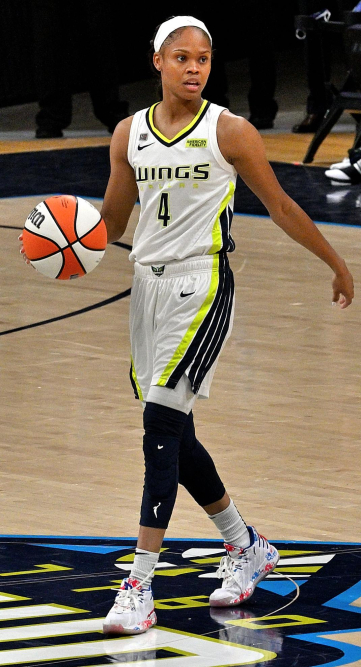
The Women’s National Basketball Association (WNBA) is a professional basketball league in the United States that was founded in 1996. As the counterpart to the men’s National Basketball Association (NBA), the WNBA has grown in popularity and has become a significant part of the sports landscape in America. In this article, we will explore the history, structure, and impact of the WNBA, as well as the challenges and opportunities facing the league as it continues to evolve and grow.
Table of Contents
- Understanding the Growth and Popularity of the WNBA
- Examining the Challenges and Opportunities Facing the League
- Highlighting Key Players and Moments in WNBA History
- Strategies for Expanding the WNBA’s Fan Base and Revenue Streams
- Q&A
- The Way Forward
Understanding the Growth and Popularity of the WNBA
The Women’s National Basketball Association (WNBA) has seen a significant increase in popularity in recent years, with viewership numbers climbing and a growing fan base. This surge in interest can be attributed to several factors, including the league’s commitment to promoting gender equality and social justice, as well as the increasing level of talent and competitiveness on the court.
The WNBA has also made strategic partnerships with major brands and media outlets to increase visibility and reach a wider audience. Additionally, the league has implemented innovative marketing strategies, such as the use of social media and digital platforms, to engage with fans and create a strong community around the sport.
- Increased Visibility: The WNBA has secured broadcasting deals with ESPN, CBS Sports, and NBA TV, allowing for more games to be televised and reaching a larger audience.
- Community Engagement: The league has a strong presence on social media, with teams and players actively engaging with fans through various platforms. This has helped to create a sense of community and loyalty among supporters.
- Player Development: The level of talent in the WNBA has never been higher, with players like A’ja Wilson, Breanna Stewart, and Sabrina Ionescu leading the way. This has made the games more competitive and exciting to watch.
| Year | Average Viewership |
|---|---|
| 2018 | 231,000 |
| 2019 | 246,000 |
| 2020 | 375,000 |
As seen in the table above, the WNBA’s average viewership has steadily increased over the past few years, highlighting the league’s growing popularity. The WNBA continues to build on this momentum, with a bright future ahead for women’s basketball.
Examining the Challenges and Opportunities Facing the League
The Women’s National Basketball Association (WNBA) has been a cornerstone for women’s professional basketball since its inception in 1996. However, the league has faced various challenges over the years, including financial struggles, limited media coverage, and issues related to player salaries and benefits. Despite these challenges, the WNBA has also seen significant opportunities for growth, such as the increase in viewership and the expansion of the league to new markets.
Challenges:
- Lack of revenue: The WNBA has struggled to generate significant revenue compared to its male counterpart, the NBA.
- Media coverage: The league receives less media attention, which can impact its popularity and growth.
- Player compensation: The pay disparity between WNBA players and NBA players is substantial, leading to concerns about equity and sustainability.
Opportunities:
- Increased viewership: The WNBA has seen a steady increase in its fan base and viewership, particularly during the 2020 season.
- Expansion: The potential for the league to expand into new markets provides opportunities for increased revenue and exposure.
- Partnerships: The WNBA has established partnerships with companies such as Nike and ESPN, which can help promote the league and attract new fans.
| Year | Average Viewership | Percentage Change |
|---|---|---|
| 2019 | 246,000 | – |
| 2020 | 387,000 | +57% |
Overall, the WNBA has made significant strides in the world of professional sports, but like any organization, it faces ongoing challenges. Addressing these challenges while capitalizing on opportunities will be key to the future success and sustainability of the league.
Highlighting Key Players and Moments in WNBA History
The Women’s National Basketball Association (WNBA) has been home to some of the most talented and influential players in the history of women’s basketball. Among these key players is Lisa Leslie, the first player to dunk in a WNBA game, and a four-time Olympic gold medalist. Another standout player is Sheryl Swoopes, the first player to be signed to the league, and a three-time WNBA MVP.
Beyond individual players, there have been defining moments in WNBA history that have left a lasting impact on the sport. One such moment was the 1997 WNBA Championship, where the Houston Comets were crowned the league’s first champions, setting the standard for excellence in the league. Another historic moment was when Diana Taurasi became the all-time leading scorer in WNBA history in 2017, cementing her legacy as one of the greatest players of all time.
| Year | Event |
|---|---|
| 1997 | Houston Comets win the first WNBA Championship |
| 2002 | Lisa Leslie becomes first player to dunk in a game |
| 2011 | Minnesota Lynx win their first championship |
| 2017 | Diana Taurasi becomes the all-time leading scorer |
The WNBA has come a long way since its inception in 1996, and these players and moments have played a significant role in shaping the league’s history. As the WNBA continues to grow and evolve, we can expect to see more unforgettable moments and record-breaking performances from the talented athletes who take the court.
Strategies for Expanding the WNBA’s Fan Base and Revenue Streams
The WNBA has seen steady growth over the past few years, but there is still room for expansion in both fan base and revenue streams. Here are a few strategies that could help achieve this goal:
- Targeting a younger demographic: The league could focus on attracting younger fans through social media campaigns, partnerships with youth sports organizations, and hosting events such as youth basketball clinics. This would not only increase the fan base but also create long-term supporters of the league.
- Expanding international reach: The WNBA could work on building a stronger presence in international markets by hosting games and clinics abroad, as well as forming partnerships with international basketball leagues. This would help increase the league’s global fan base and open up new revenue streams.
- Investing in marketing and promotion: The league could allocate more resources towards marketing and promoting the WNBA, including creating engaging content for social media, investing in advertising, and securing high-profile partnerships and sponsorships.
| Strategy | Potential Impact |
|---|---|
| Targeting a younger demographic | Long-term fan base growth |
| Expanding international reach | Increased global presence and revenue |
| Investing in marketing and promotion | Greater brand visibility and fan engagement |
By implementing these strategies, the WNBA can continue to expand its fan base and explore new opportunities for revenue growth. With the right approach, the league has the potential to reach new heights and secure its place as a major player in the world of professional sports.
Q&A
Q: What does WBNA stand for?
A: WBNA stands for Women’s Basketball Coaches Association.
Q: What is the mission of the WBNA?
A: The mission of the WBNA is to promote women’s basketball and support the women’s basketball coaching profession.
Q: What types of programs does the WBNA offer?
A: The WBNA offers coaching education programs, networking opportunities, and resources for women’s basketball coaches.
Q: How does the WBNA support women’s basketball coaches?
A: The WBNA provides professional development opportunities, advocacy for women’s basketball coaches, and a platform for sharing best practices in coaching.
Q: How can women’s basketball coaches become members of the WBNA?
A: Women’s basketball coaches can become members of the WBNA by joining online through the official website or by contacting the organization directly.
Q: What are some of the benefits of being a member of the WBNA?
A: Some benefits of being a member of the WBNA include access to coaching resources, networking opportunities, and professional development events.
Q: How does the WBNA advocate for gender equality in basketball coaching?
A: The WBNA advocates for gender equality in basketball coaching by promoting opportunities for women to coach at all levels of the sport and by addressing issues related to gender discrimination in coaching.
The Way Forward
In conclusion, the Women’s National Basketball Association (WNBA) has established itself as a prominent professional sports league that provides opportunities for talented female athletes to compete at the highest level. With its dedication to promoting women’s basketball and gender equality, the WNBA continues to inspire and empower future generations of athletes. As the league grows and evolves, its impact on the sports world and society as a whole will undoubtedly continue to be felt. Whether you’re a fan or an aspiring player, the WNBA’s influence is undeniable, and its future looks bright.

