



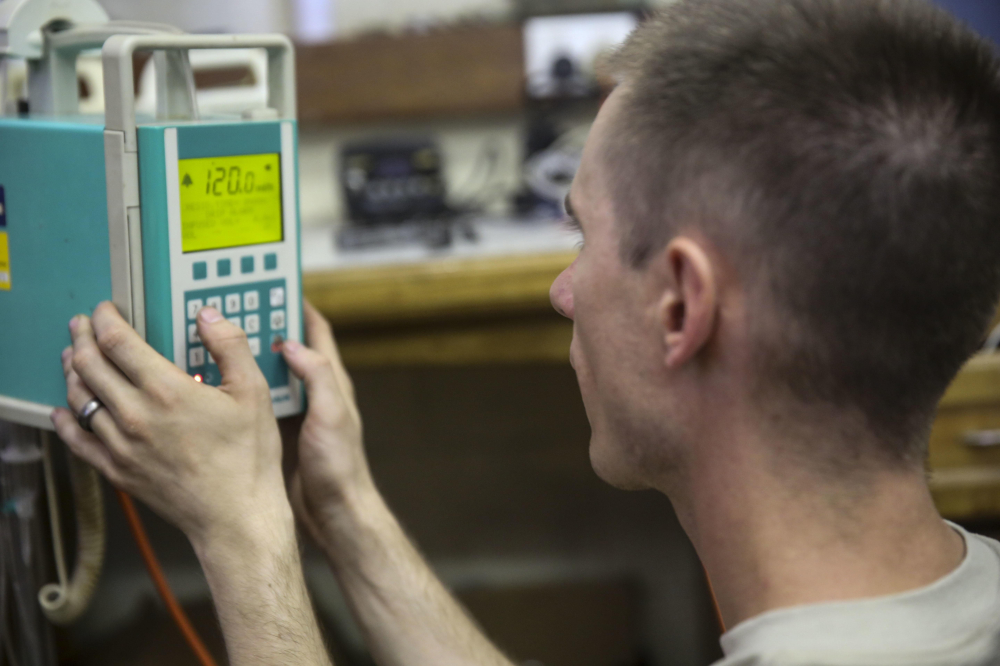
In veterinary medicine, the precise administration of fluids and medications is critical for the health and well-being of animal patients. The veterinary infusion pump is a crucial tool that allows for accurate, controlled delivery of fluids and medications, ensuring the safety and efficacy of treatment regimens. In this article, we will explore the features and benefits of the veterinary infusion pump, as well as its role in modern veterinary practice. By examining the role of this essential piece of equipment, we can gain a deeper understanding of its importance in providing high-quality care for our animal companions.
Table of Contents
- Understanding Veterinary Infusion Pumps: Types and Functionality
- Key Considerations for Selecting the Right Veterinary Infusion Pump
- Best Practices for Operating and Maintaining a Veterinary Infusion Pump
- Benefits of Using a Veterinary Infusion Pump in Clinical Practice
- Expert Tips for Troubleshooting and Resolving Common Veterinary Infusion Pump Issues
- Q&A
- Wrapping Up
Understanding Veterinary Infusion Pumps: Types and Functionality
There are different types of veterinary infusion pumps providing crucial medical care to animals. Understanding the various types and their functionalities is essential for veterinary professionals. Below is an overview of the different types of veterinary infusion pumps and their functionality.
Types of Veterinary Infusion Pumps
1. Volumetric Infusion Pump: This type of pump delivers fluids in a controlled manner, allowing for precise administration of medications or fluids to animals. It is commonly used for critical care and surgery patients.
2. Syringe Infusion Pump: Syringe infusion pumps are designed to deliver small volumes of fluids accurately, making them suitable for precise medication dosing for animals of all sizes.
3. Peristaltic Infusion Pump: These pumps use squeezing action to administer fluids, making them ideal for delivering large volumes of fluids to animals.
Further understanding the functionality of these infusion pumps is essential for veterinary professionals to provide optimal care to their animal patients. Each type serves specific purposes in veterinary medicine, and their accurate operation is critical in providing effective treatment. Understanding the differences between these types of infusion pumps can help veterinary professionals make informed decisions regarding which pump to use for a particular procedure or patient.
Key Considerations for Selecting the Right Veterinary Infusion Pump
When selecting the right veterinary infusion pump for your practice, there are several key considerations to keep in mind to ensure the safety and well-being of your patients. Here are some important factors to consider:
Compatibility: It’s crucial to choose a veterinary infusion pump that is compatible with the types of fluids and medications you commonly administer. Whether it’s for small animals or large animals, ensuring compatibility will ensure accurate and efficient delivery of fluids.
Accuracy and Precision: The ability of the infusion pump to deliver fluids accurately and precisely is essential for patient safety. Look for a veterinary infusion pump that offers precise flow rates and customizable settings for different types of treatments.
Ease of Use and Maintenance: Select a veterinary infusion pump that is user-friendly and easy to maintain. This will help streamline workflow and ensure that the pump is always in good working condition. Additionally, consider the availability of accessories and replacement parts for easy maintenance and servicing.
Investing in the right veterinary infusion pump is essential for the effective treatment and care of animals in your practice. By considering compatibility, accuracy, precision, ease of use, and maintenance, you can make an informed decision that will benefit both your patients and your practice.
Best Practices for Operating and Maintaining a Veterinary Infusion Pump
Operating and maintaining a veterinary infusion pump is crucial for ensuring the safety and well-being of animals in a clinical setting. Here are some best practices to keep in mind when using and caring for a veterinary infusion pump:
Regular Inspection and Cleaning:
– Ensure that the infusion pump is regularly inspected for any signs of wear and tear, and that it is thoroughly cleaned after each use to prevent contamination.
– Regularly check the power cord, tubing, and connections for any damage or leaks. Replace any worn or damaged parts immediately.
– Follow the manufacturer’s guidelines for cleaning and maintenance, and use approved cleaning solutions to prevent damage to the pump.
Calibration and Testing:
– It’s essential to calibrate the veterinary infusion pump regularly to ensure accurate and precise drug delivery. Follow the manufacturer’s instructions for calibration and perform routine testing to verify the accuracy of the pump’s settings.
– Keep a log of calibration and testing dates, as well as any adjustments made to the pump’s settings. This will help track the pump’s performance over time and identify any issues that may arise.
Proper Training and Usage:
– Ensure that all staff members who operate the veterinary infusion pump are properly trained in its use and are familiar with the manufacturer’s guidelines and safety protocols.
– Use the pump only for its intended purpose and avoid exceeding its maximum capacity. Overloading the pump can lead to inaccurate drug delivery and potential harm to the animal.
– If any issues or abnormalities are noticed during operation, immediately discontinue use and report the problem to the appropriate personnel for further inspection and maintenance.
Benefits of Using a Veterinary Infusion Pump in Clinical Practice
Using a veterinary infusion pump in clinical practice offers a range of benefits for both the veterinary staff and their animal patients. These specialized devices are designed to carefully administer fluids, medications, and nutrients to animals intravenously, ensuring accurate dosing and precise control over the infusion process. Here are some of the key benefits of incorporating a veterinary infusion pump into your clinical practice:
- Precision and Accuracy: One of the primary advantages of using a veterinary infusion pump is the ability to deliver precise and accurate doses of medications and fluids to animal patients. This is crucial for ensuring optimal treatment outcomes and minimizing the risk of medication errors.
- Customizable Infusion Parameters: Veterinary infusion pumps allow for the customization of infusion parameters, including flow rates, dosing intervals, and maximum dosages. This level of control is essential for tailoring treatments to the specific needs of individual animals.
- Improved Patient Safety: By providing a consistent and controlled delivery of fluids and medications, veterinary infusion pumps help to enhance patient safety and minimize the potential for adverse reactions or complications during treatment.
In addition to these benefits, some advanced veterinary infusion pumps also offer features such as built-in safety alarms, multiple infusion modes, and programmable drug libraries, further improving the efficiency and reliability of clinical infusion practices.
Expert Tips for Troubleshooting and Resolving Common Veterinary Infusion Pump Issues
Common Veterinary Infusion Pump Issues
One of the most critical pieces of equipment in a veterinary clinic is the infusion pump. However, like any piece of technology, infusion pumps can encounter issues that require troubleshooting and resolution. Here are some expert tips for addressing the most common veterinary infusion pump problems:
1. Check the Power Source
Before diving into more complex troubleshooting, always start with the basics. Ensure that the infusion pump is properly plugged in and receiving power. If the pump runs on batteries, check to see if they need to be replaced or recharged.
2. Inspect the Tubing and Connections
Leaks, kinks, or blockages in the tubing can cause the infusion pump to malfunction. Check the tubing for any visible damage and make sure all connections are secure. Replace any damaged tubing and re-secure all connections to ensure proper flow.
3. Calibrate the Pump
Over time, infusion pumps may require recalibration to ensure accurate medication delivery. Refer to the manufacturer’s guidelines for the specific pump model and follow the recommended calibration procedures. This can help resolve issues related to inaccurate dosing.
4. Clean and Maintain the Pump Regularly
Dirt, debris, or residue buildup can interfere with the proper functioning of the infusion pump. Regularly clean and maintain the pump according to the manufacturer’s recommendations to prevent issues related to clogging or malfunction.
By following these , veterinary professionals can ensure the reliable and accurate delivery of medications to their animal patients. If problems persist, it’s crucial to consult with the manufacturer or a qualified technician for further assistance.
Q&A
Q: What is a veterinary infusion pump?
A: A veterinary infusion pump is a medical device used to administer controlled amounts of fluids, medications, and nutrients to animals. It is commonly used in veterinary hospitals and clinics to deliver intravenous (IV) fluids, anesthesia, and other medications to patients.
Q: How does a veterinary infusion pump work?
A: The veterinary infusion pump works by accurately controlling the flow rate and volume of fluids or medications being administered to the animal. It typically consists of a programmable pump mechanism that accurately delivers the desired amount of fluid over a specific period of time.
Q: What are the benefits of using a veterinary infusion pump?
A: Using a veterinary infusion pump offers precise control over the administration of fluids and medications, ensuring accurate dosing and reducing the risk of errors. It also allows for continuous and consistent delivery of fluids and medications, improving patient care and outcomes.
Q: What types of animals can benefit from veterinary infusion pump?
A: All types of animals, including dogs, cats, horses, and exotic species, can benefit from the use of a veterinary infusion pump. It is commonly used in emergency and critical care settings, as well as during surgical procedures and post-operative recovery.
Q: What features should one look for in a veterinary infusion pump?
A: When choosing a veterinary infusion pump, it is important to consider features such as programmable flow rates, multiple infusion modes, occlusion detection, and compatibility with a range of administration sets and syringes. Additionally, ease of use, reliability, and accuracy are key factors to consider.
Q: Are there any potential risks or drawbacks associated with using a veterinary infusion pump?
A: While the use of a veterinary infusion pump can greatly benefit patient care, there are potential risks such as infusion pump malfunctions, errors in programming, and catheter-related complications. It is essential for veterinary professionals to undergo proper training and follow strict protocols to minimize these risks.
Wrapping Up
In conclusion, the veterinary infusion pump is a vital tool in the administration of fluids, medications, and nutrients in veterinary medicine. Its precise and controlled delivery of fluids ensures the safety and well-being of the animal patients. As technology continues to advance, we can expect to see further improvements in the design and functionality of veterinary infusion pumps, ultimately leading to better patient care and outcomes. It is imperative for veterinary professionals to stay updated on the latest advancements in this essential equipment, as it plays a crucial role in the delivery of quality healthcare to our animal companions.

