



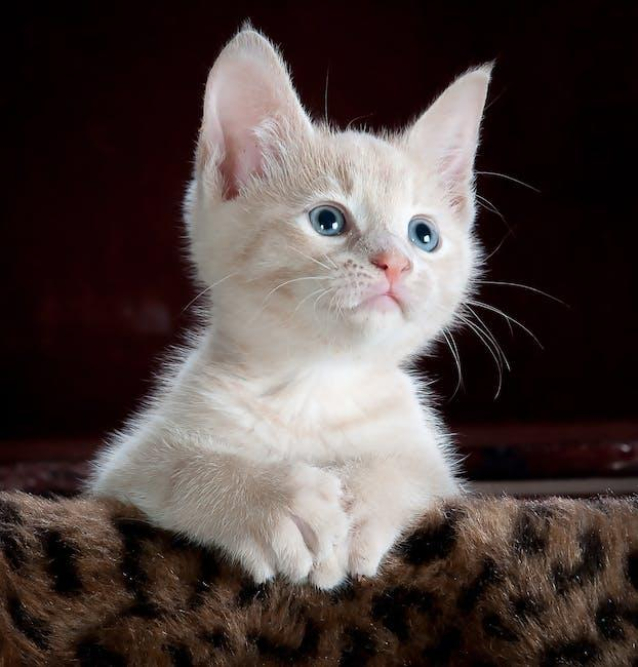
Cats are known for their keen sense of smell, and certain odors can repel them instantly. Understanding the scents that cats hate can be beneficial for cat owners looking to create a more pleasant environment for their feline companions. By delving into the olfactory preferences of cats, we can gain insights into their behavior and preferences, and ultimately enhance our understanding of these enigmatic creatures.
Table of Contents
- Common Smells That Cats Dislike
- Understanding the Feline Sense of Smell
- Effect of Strong Odors on Cat Behavior
- Recommendations for Keeping Unwanted Smells Away from Cats
- Q&A
- In Retrospect
Common Smells That Cats Dislike
It’s no secret that cats have a very keen sense of smell. They rely on this powerful olfactory ability to navigate their environment, communicate with other cats, and hunt for food. While cats are known for being curious creatures, there are certain smells that they simply cannot stand. If you’re a cat owner, it’s important to be aware of these scents in order to keep your furry friend happy and comfortable in your home.
One common smell that cats dislike is citrus. The strong, acidic scent of citrus fruits like oranges, lemons, and grapefruits can be very off-putting to cats. In fact, many citrus-scented cleaning products are marketed as cat deterrents because of this aversion. Another smell that cats tend to dislike is that of strong spices like cinnamon and mustard. While these scents may be pleasing to humans, they can be overwhelming and unpleasant for cats.
Additionally, cats are not big fans of certain herbal scents, such as lavender, eucalyptus, and peppermint. These fragrances, while beloved by humans for their soothing and refreshing qualities, can be overpowering to a cat’s sensitive nose. If you’re looking to keep your cat away from certain areas of your home, consider using these scents as a natural deterrent. By being mindful of the scents that your cat dislikes, you can create a more comfortable and enjoyable environment for your feline friend.
Understanding the Feline Sense of Smell
Feline Sense of Smell
Cats have an incredibly powerful sense of smell, which plays a crucial role in their daily lives. Their olfactory system is highly developed, with nearly 200 million odor-sensitive cells in their nasal cavity, compared to about 5 to 20 million in humans. This heightened sense of smell allows cats to detect scents that are completely imperceptible to humans, making it an essential tool for communication, hunting, and survival.
Understanding the specific smells that cats hate can help pet owners provide a more comfortable and stress-free environment for their feline companions. While individual preferences can vary, there are certain scents that are generally disliked by most cats. Some of the smells that cats hate include:
- Citrus: The strong, acidic scent of citrus fruits like lemons and oranges is often repulsive to cats.
- Peppermint: Cats tend to steer clear of the potent smell of peppermint, which can be used as a natural deterrent for keeping them away from certain areas.
- Onion and Garlic: These pungent aromas are unappealing to cats and can even be toxic to them in large quantities.
Effect of Strong Odors on Cat Behavior
Cats have a strong sense of smell, and certain odors can greatly impact their behavior. Understanding what smells cats hate can help pet owners create a more comfortable environment for their feline friends. Strong odors can cause stress, anxiety, and even physical discomfort for cats, leading to changes in their behavior and mood.
Some smells that cats hate include:
- Citrus: Cats have a natural aversion to citrus scents, so using citrus-scented cleaners or essential oils can help deter them from areas you want to keep them away from.
- Menthol: The strong, minty scent of menthol can be overwhelming for cats and may cause them to avoid certain areas where the smell is present.
- Spicy scents: Cats are sensitive to pungent, spicy scents like pepper, mustard, and curry, which can lead to discomfort and avoidance behavior.
| Odor | Effect on Cats |
| Citrus | Aversion and avoidance |
| Menthol | Overwhelming and avoidance |
| Spicy scents | Discomfort and avoidance |
It’s important to note that each cat may have individual preferences and sensitivities to certain smells, so it’s essential to observe your cat’s reactions and adjust their environment accordingly. By being mindful of the odors in your home, you can create a more comfortable and pleasant living space for your feline companion.
Recommendations for Keeping Unwanted Smells Away from Cats
Keeping unwanted smells away from cats is essential for maintaining a happy and healthy feline-friendly environment. Cats have a highly sensitive sense of smell, and there are certain odors that they simply can’t stand. Whether it’s from the litter box, food, or other household odors, there are several effective ways to ensure your cat stays content and comfortable in your home.
To keep unwanted smells away from cats, consider the following recommendations:
– **Clean the litter box regularly:** One of the most common sources of unwanted odors is the litter box. Ensure that you scoop it out at least once a day and change the litter weekly.
– **Use odor-neutralizing products:** Invest in odor-neutralizing sprays, candles, or plug-in air fresheners to combat any lingering smells around the house. Look for products specifically designed for pet odors.
– **Choose the right cat food:** Opt for high-quality cat food that is less likely to produce strong odors in your cat’s waste. Consider consulting with a veterinarian for recommendations on the best diet for your cat to minimize unpleasant smells.
In addition to these recommendations, it’s important to be mindful of any household cleaners or fragrances that may be overwhelming to your cat’s sensitive nose. By taking proactive measures to address unwanted smells, you can create a more comfortable and pleasing environment for both you and your feline friend.
Q&A
Q: What smells do cats hate?
A: Cats are known to have a strong aversion to certain scents, including citrus, eucalyptus, and menthol.
Q: Why do cats dislike these smells?
A: The aversion to these scents is believed to be due to the presence of certain compounds in these odors that cats find irritating or overwhelming.
Q: How do cats react to these smells?
A: Cats may exhibit signs of discomfort or distress when exposed to these smells, often avoiding areas where the scents are present.
Q: Are there any other smells that cats dislike?
A: In addition to citrus, eucalyptus, and menthol, cats are also known to dislike the scent of lavender, rue, and cinnamon.
Q: Can these scents be used to deter cats from certain areas?
A: Yes, these scents can be used as natural deterrents to keep cats away from specific areas, such as garden beds or furniture.
Q: Are there any potential drawbacks to using these scents as deterrents?
A: While these scents may be effective at deterring cats, it’s important to note that some cats may simply become accustomed to the smell over time and it may lose its effectiveness.
Q: Can these scents be harmful to cats?
A: In high concentrations, some of these scents can be harmful to cats if ingested or inhaled. It’s important to use them with caution and to ensure that they are not placed in areas where cats may come into direct contact with them.
In Retrospect
In conclusion, cats are sensitive creatures with a strong aversion to certain smells. Understanding what smells cats hate can help pet owners create a more comfortable and harmonious living environment for their feline companions. Whether it’s citrus, mint, or other strong odors, being mindful of these dislikes can contribute to a happier and healthier relationship between cats and their human counterparts. By avoiding these offensive scents and providing a clean and pleasant living space, pet owners can ensure a more contented and relaxed cat. So, the next time you reach for that air freshener or cleaning product, remember to consider your cat’s preferences and choose scents that they will appreciate.
Auto Amazon Links: No products found.

