



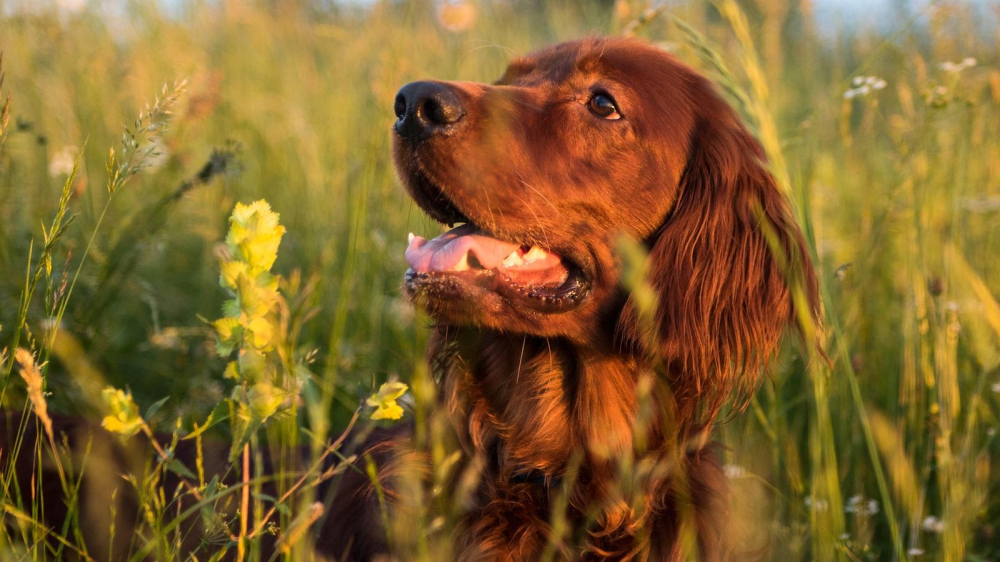
As seniors embark on the golden years of their lives, choosing the right companion becomes all the more crucial. While any dog can potentially make a wonderful pet for a senior, certain breeds are more suited to the unique needs and lifestyles of older individuals. In this article, we will carefully analyze and recommend the best dog breeds for seniors, taking into account factors such as size, temperament, exercise requirements, and overall compatibility. Our authoritative guide aims to assist seniors in finding the perfect canine companion to provide love, companionship, and support during their retirement years.
Table of Contents
- Top Considerations for Seniors Choosing a Dog
- Physical and Behavioral Characteristics of Senior-Friendly Breeds
- Recommended Dog Breeds for Seniors
- Training and Care Tips for Seniors with Dogs
- Why Older Adults Benefit from Having a Canine Companion
- Q&A
- Key Takeaways
Top Considerations for Seniors Choosing a Dog
When it comes to choosing a dog for seniors, there are several considerations that should be taken into account to ensure the best possible match. Seniors often have unique needs and lifestyle factors that will influence the type of dog that is the right fit for them. Here are the :
**Size and Activity Level**: Seniors should consider the size and activity level of the dog they are interested in. Smaller dogs, such as the Maltese or Pomeranian, are often a better match for seniors living in apartments or smaller homes. In contrast, larger breeds like the Golden Retriever or Labrador are better suited for seniors with more space and are looking for an active companion.
**Temperament and Trainability**: It’s important for seniors to choose a dog with a temperament and trainability that matches their lifestyle. Breeds like the Shih Tzu and Cavalier King Charles Spaniel are known for their gentle and affectionate nature, while the Poodle and Bichon Frise are highly trainable and adaptable to various living situations.
Physical and Behavioral Characteristics of Senior-Friendly Breeds
When choosing the best dog for seniors, it’s important to consider the physical and behavioral characteristics of different breeds. Senior-friendly breeds are typically those that are low-energy, gentle, and easy to train. Additionally, they should be adaptable to the lifestyle and needs of older adults.
Physically, senior-friendly breeds are often small to medium-sized dogs that are easy to handle and do not require excessive exercise. They should also have minimal grooming needs to reduce the burden on seniors. Behavioral characteristics such as being friendly, affectionate, and patient are also essential, as these qualities make for good companionship and reduce the risk of potential behavioral issues.
Some of the top senior-friendly breeds include:
– Pugs
– Cavalier King Charles Spaniels
– Bichon Frises
– Shih Tzus
| Breed | Size | Grooming Needs | Behavioral Characteristics |
| Pug | Small | Low | Friendly, Easygoing |
| Cavalier King Charles Spaniel | Medium | Low | Affectionate, Gentle |
| Bichon Frise | Small | Low | Playful, Adaptable |
| Shih Tzu | Small | Low | Friendly, Obedient |
These breeds possess the ideal combination of physical and behavioral characteristics that make them great companions for seniors.
Recommended Dog Breeds for Seniors
When it comes to choosing the perfect furry companion for seniors, certain dog breeds are better suited for a calmer lifestyle and the specific needs of older adults. For seniors looking for a loyal and low-maintenance pet, there are several dog breeds that are highly recommended and make great companions.
**Here are some :**
– **Poodle**: Known for their intelligence and hypoallergenic coat, Poodles are an excellent choice for seniors who may have allergies.
– **Cavalier King Charles Spaniel**: With their gentle and affectionate nature, these small dogs are well-suited for seniors seeking a loving and mellow companion.
– **Shih Tzu**: These small, affectionate dogs are great for seniors living in smaller spaces and are known for their loving and loyal nature.
– **Maltese**: Known for their friendly and gentle temperament, Maltese dogs are great for seniors looking for a smaller breed with minimal shedding.
Training and Care Tips for Seniors with Dogs
When it comes to choosing the best dog for seniors, there are several factors to consider in order to find the perfect companion. It’s important to look for a dog breed that is low maintenance, gentle, and affectionate, as well as one that fits the senior’s lifestyle and activity level. Here are some :
Training Tips:
- Socialization: It’s crucial to socialize your dog from an early age to ensure they are comfortable around other animals and people.
- Basic Obedience: Teaching your dog basic commands like sit, stay, and come can help keep them safe and well-behaved.
- Positive Reinforcement: Using treats, praise, and rewards are effective ways to train and motivate your dog.
Care Tips:
- Regular Exercise: While the exercise needs of a senior dog may be less, it’s still important to provide daily walks and playtime to keep them healthy and happy.
- Proper Nutrition: Providing a well-balanced diet and maintaining a healthy weight is essential for a senior dog’s overall health and wellbeing.
- Veterinary Care: Regular check-ups, vaccinations, and dental care are important to ensure your dog’s health and longevity.
By following these training and care tips, seniors can enjoy the companionship and love of a dog while ensuring their furry friend is happy and healthy.
Why Older Adults Benefit from Having a Canine Companion
Older adults can experience a wide range of physical, emotional, and cognitive benefits from having a canine companion. Research has shown that owning a dog can lead to increased physical activity, decreased feelings of loneliness, and improved overall well-being for seniors. Dogs provide companionship, encouragement for daily exercise, and a sense of purpose for older adults, which can have a positive impact on their health and quality of life.
When choosing the best dog for seniors, it’s essential to consider factors such as size, energy level, and temperament. **Small breeds** that require less exercise and are easy to manage may be well-suited for older adults with limited mobility. Similarly, **low-energy breeds** that are content with daily walks and plenty of cuddle time can be a great fit for seniors. Additionally, **gentle and affectionate** dogs that can provide emotional support and companionship are ideal for older adults looking for a loyal friend.
Q&A
Q: What are some of the best dog breeds for seniors?
A: Some of the best dog breeds for seniors include Cavalier King Charles Spaniels, Pugs, Bichon Frises, and Shih Tzus. These breeds are known for their gentle and affectionate nature, making them perfect companions for seniors.
Q: What characteristics should seniors look for in a dog?
A: Seniors should look for dogs that are small to medium in size, low-energy, and easy to train. Additionally, they should consider breeds that are known for being good with children and other pets, as well as being low maintenance in terms of grooming and exercise needs.
Q: Are there any specific health concerns seniors should consider when choosing a dog?
A: Yes, seniors should consider breeds that are less prone to health issues such as joint problems, heart conditions, and respiratory issues. They should also be mindful of breeds that are less prone to excessive shedding and allergies.
Q: How can a dog benefit a senior’s overall well-being?
A: Owning a dog can have numerous benefits for a senior’s overall well-being, including providing companionship, reducing feelings of loneliness, increasing physical activity through regular walks, and providing a sense of purpose and responsibility.
Q: What are some important factors to consider before adopting a dog as a senior?
A: Seniors should consider their own physical limitations and living situation before adopting a dog. They should also factor in the dog’s lifespan and potential long-term care needs, as well as the financial responsibilities that come with owning a pet. Additionally, it’s important to ensure that the chosen breed matches the senior’s lifestyle and preferences.
Key Takeaways
In conclusion, selecting the right dog for seniors is crucial for ensuring a harmonious and fulfilling companionship. By considering factors such as size, temperament, exercise requirements, and grooming needs, seniors can find the perfect canine companion that suits their lifestyle and preferences. With the right match, seniors can enjoy the countless physical and mental health benefits that come with owning a dog. It is important to remember that every dog is different, and individual personality and behavior should be taken into account when selecting the best fit for each senior. Ultimately, the bond between a senior and their dog can be a source of joy, comfort, and companionship, providing immeasurable rewards for both human and canine alike.

