



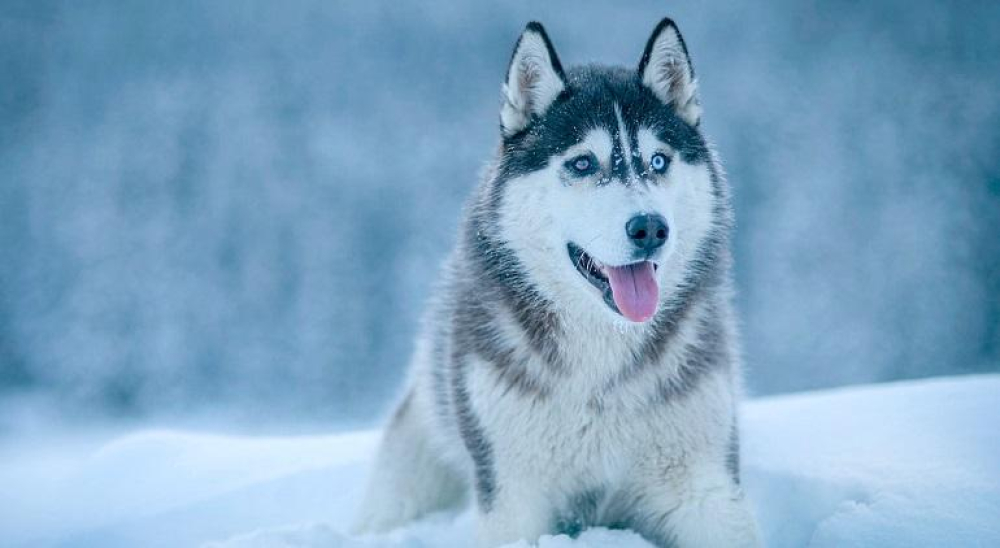
Alaskan dogs, known for their strength, resilience, and unwavering loyalty, represent a breed uniquely adapted to thrive in the harsh, unforgiving terrain of the Last Frontier. From their rich history as sled dogs to their indispensable roles in search and rescue missions, these canines are a testament to the enduring bond between man and animal in the majestic landscape of Alaska. In this article, we will delve into the characteristics that define Alaskan dogs and explore the unparalleled contributions they have made to the fabric of Alaskan society.
Table of Contents
- The History and Origins of Alaskan Dogs
- Common Breeds of Alaskan Dogs and Their Characteristics
- Key Considerations for Properly Caring for Alaskan Dogs
- Training Tips for Alaskan Dogs
- Health Concerns and Wellness Practices for Alaskan Dogs
- Choosing the Right Alaskan Dog for Your Lifestyle
- The Importance of Exercise and Mental Stimulation for Alaskan Dogs
- Q&A
- Final Thoughts

The History and Origins of Alaskan Dogs
Alaskan dogs, also known as Alaskan Malamutes and Siberian Huskies, have a rich history and fascinating origins that date back thousands of years. These majestic dogs were originally bred by the indigenous peoples of the Arctic region for various tasks, such as pulling sleds, hunting, and even serving as loyal companions.
The Alaskan Malamute, specifically, is one of the oldest Arctic sled dog breeds, with a strong and muscular build perfectly suited for pulling heavy loads across the frozen wilderness. In contrast, the Siberian Husky is known for its endurance and speed, making it an ideal choice for long-distance mushing races.
Both breeds have played a crucial role in the exploration and settlement of the Alaskan frontier, helping mushers and trappers navigate the harsh terrain and extreme weather conditions. Today, Alaskan dogs are beloved by dog enthusiasts around the world for their beauty, loyalty, and remarkable working abilities. Whether participating in sled dog races or simply as beloved family pets, these remarkable dogs continue to captivate our hearts with their unique history and impressive skills.
| Breed | Origin | Use |
|---|---|---|
| Alaskan Malamute | Alaska, United States | Sled pulling, hunting, companionship |
| Siberian Husky | Siberia, Russia | Mushing races, endurance activities |

Common Breeds of Alaskan Dogs and Their Characteristics
Alaskan dogs are a unique group of breeds that have been specifically bred to thrive in the harsh conditions of the Alaskan wilderness. Each breed has its own set of characteristics that make them well-suited to the rugged terrain and cold climate of the region.
One of the most common breeds of Alaskan dogs is the Alaskan Malamute. These dogs are known for their strength and endurance, making them ideal for pulling sleds across long distances. They have a thick, double coat that protects them from the cold, and their friendly and playful nature makes them great companions for families.
Another popular breed is the Siberian Husky, which is also well-known for its sled-pulling abilities. Huskies are intelligent and independent dogs, with a strong prey drive and a love for running. They have striking blue or multicolored eyes, and their thick coats come in a variety of colors, from black and white to red and white.
Both the Alaskan Malamute and Siberian Husky are highly active breeds that require plenty of exercise and mental stimulation to keep them happy and healthy. They are loyal and loving companions, but they also have a strong-willed nature that requires firm and consistent training. These dogs thrive in snowy environments, but they can adapt well to a variety of climates with the right care and attention.

Key Considerations for Properly Caring for Alaskan Dogs
Properly caring for Alaskan dogs requires a deep understanding of their unique needs and behaviors. These majestic dogs, bred for endurance and cold weather, have specific requirements that must be met to ensure their health and happiness. Here are some key considerations to keep in mind when caring for your Alaskan dog:
Environment: Alaskan dogs thrive in cold climates, so it is important to provide them with a suitable environment that mimics their natural habitat. Make sure they have access to plenty of shade, shelter, and fresh water, especially during hot summer months.
Exercise: These working dogs have high energy levels and require plenty of exercise to stay healthy and happy. Regular walks, hikes, and runs are essential to keep them mentally and physically stimulated.
Nutrition: A balanced diet is crucial for the well-being of Alaskan dogs. Their diet should consist of high-quality protein sources, healthy fats, and carbohydrates to fuel their active lifestyle. Consult with a veterinarian to determine the best diet for your specific breed and age of Alaskan dog.
Ensuring that you address these key considerations will help you provide the best possible care for your Alaskan dog and ensure their well-being for years to come.
Training Tips for Alaskan Dogs
Training Alaskan dogs requires a unique approach due to their strong physical abilities and independent nature. Here are some essential tips to help you effectively train your Alaskan dog:
**1. Consistent Reinforcement:** Alaskan dogs are known for their intelligence and stubbornness, so consistency is key when training them. Make sure to set clear rules and boundaries, and always reinforce good behavior with rewards such as treats or praise.
2. Physical Exercise: Alaskan dogs are bred for endurance and strength, so it’s important to provide them with plenty of physical exercise. Regular walks, runs, and outdoor activities are essential to keep them happy and healthy.
3. Mental Stimulation: In addition to physical exercise, Alaskan dogs also need mental stimulation to prevent boredom and behavioral issues. Consider including puzzle toys, training sessions, and interactive games in their daily routine to keep their minds sharp.
By following these training tips, you’ll be able to establish a strong bond with your Alaskan dog and help them reach their full potential as a well-behaved and happy companion.
Health Concerns and Wellness Practices for Alaskan Dogs
Alaskan dogs are known for their hardy nature and resilient spirits. However, just like any other breed, these beautiful creatures are susceptible to various health concerns that need to be addressed to ensure their overall well-being. From harsh weather conditions to genetic predispositions, Alaskan dogs may face a range of issues that pet owners should be aware of.
One common health concern for Alaskan dogs is hip dysplasia, a genetic condition that affects the hip joints and can cause pain and discomfort. Regular exercise, a balanced diet, and weight management can help alleviate symptoms and prevent further complications. Additionally, Alaskan dogs are prone to obesity, which can lead to other serious health conditions such as diabetes and heart disease. Keeping a close eye on your dog’s weight and providing regular exercise can help mitigate this risk.
On the wellness side, it’s important to incorporate practices that promote mental and physical well-being for Alaskan dogs. Activities such as daily walks, interactive play sessions, and obedience training not only keep them physically active but also stimulate their minds. Moreover, regular veterinary check-ups, proper grooming, and dental care are essential components of a comprehensive wellness routine for Alaskan dogs. By proactively addressing health concerns and incorporating wellness practices, pet owners can ensure that their furry companions lead happy and healthy lives.
Choosing the Right Alaskan Dog for Your Lifestyle
From the majestic Siberian Husky to the loyal Alaskan Malamute, is a decision that should not be taken lightly. These breeds are known for their strength, endurance, and intelligence, making them popular choices for outdoor enthusiasts and active families. When considering which Alaskan dog is right for you, it is important to take into account your living situation, activity level, and the amount of time you can dedicate to training and exercise.
Alaskan Malamutes are large, powerful dogs that thrive in colder climates and are well-suited for activities like hiking, backpacking, and sledding. They are known for their affectionate nature and make great family pets, but they require consistent training and socialization to prevent any behavioral issues. On the other hand, Siberian Huskies are energetic and independent dogs that excel in agility and obedience training. They have a strong prey drive and need regular exercise to prevent boredom and destructive behavior.
Before bringing home an Alaskan dog, it is important to research the breed thoroughly and consider consulting with a reputable breeder or rescue organization. These dogs have specific needs and require a dedicated owner who is willing to provide them with the care and attention they deserve. By tips above, you can experience the joys of owning a loyal and adventurous companion that will bring excitement and love to your home.
The Importance of Exercise and Mental Stimulation for Alaskan Dogs
Alaskan dogs are known for their strength, agility, and endurance. To keep these magnificent animals healthy and happy, it is crucial to provide them with regular exercise and mental stimulation. Not only does exercise help maintain their physical health, but it also plays a significant role in their mental well-being. By engaging in physical activities, Alaskan dogs can release excess energy, improve their cardiovascular health, and strengthen their muscles.
Moreover, mental stimulation is equally important for Alaskan dogs. These intelligent breeds thrive on mental challenges and problem-solving activities. Providing them with tasks such as puzzle toys, obedience training, and interactive games can keep their minds sharp and prevent boredom. Mental stimulation not only keeps Alaskan dogs entertained but also helps prevent behavioral issues caused by lack of mental stimulation.
Overall, a combination of regular exercise and mental stimulation is key to ensuring the overall well-being of Alaskan dogs. By incorporating these activities into their daily routine, you can help your furry companion lead a healthy, fulfilling life.
Q&A
Q: What makes Alaskan dogs unique compared to other breeds?
A: Alaskan dogs, such as the Malamute and the Husky, are specifically bred for endurance and strength in harsh, cold climates. They possess a thick double coat that helps protect them from extreme temperatures and harsh weather conditions.
Q: What is the history of Alaskan dogs and their role in Alaskan culture?
A: Alaskan dogs have a long history of being used as sled dogs by indigenous peoples in Alaska. They played a crucial role in transportation and survival in the harsh Arctic conditions, helping communities travel long distances over snowy terrain.
Q: How are Alaskan dogs trained for sled dog racing and other activities?
A: Alaskan dogs are typically trained from a young age to pull sleds and work together as a team. They undergo specialized training programs that help build their endurance, strength, and teamwork skills, preparing them for competitions like the Iditarod.
Q: What are some common health concerns for Alaskan dogs?
A: Alaskan dogs are susceptible to certain health issues, such as hip dysplasia, cataracts, and arthritis. It is important for owners to provide proper care, nutrition, and regular veterinary check-ups to ensure their Alaskan dogs remain healthy and strong.
Q: What are some tips for caring for Alaskan dogs in a non-Arctic environment?
A: While Alaskan dogs are well-suited for cold climates, owners living in warmer environments can still keep their dogs comfortable by providing plenty of shade, access to cool water, and avoiding strenuous exercise during the hottest parts of the day. Regular grooming and monitoring for signs of overheating are also important.
Final Thoughts
In conclusion, Alaskan dogs are a fascinating breed with a rich history of endurance, resilience, and loyalty. From their role as sled dogs in the harsh Arctic environment to their adaptability in modern times as beloved family pets, these remarkable animals continue to capture our admiration and awe. Their physical attributes, intelligence, and innate drive to work make them well-suited for a variety of tasks, making them truly versatile companions. Whether facing the challenges of the wilderness or simply providing unwavering companionship, Alaskan dogs exemplify the finest qualities of man’s best friend.

