



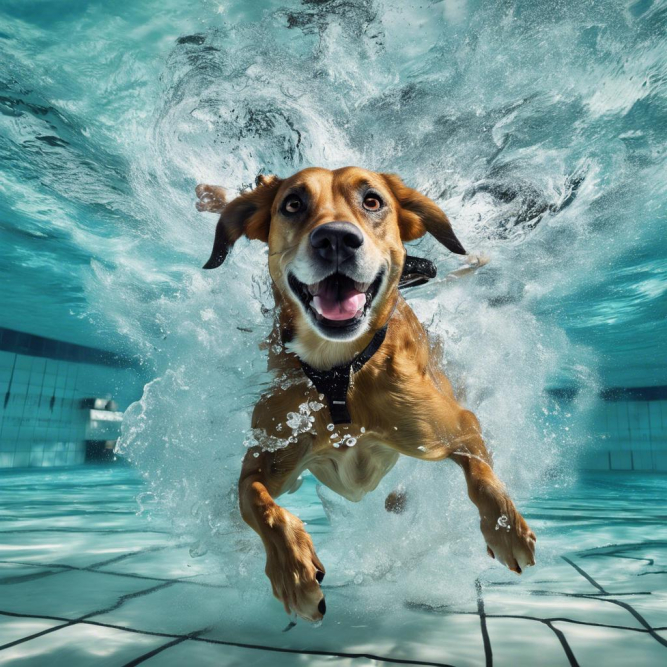
Dogs are natural swimmers, but have you ever wondered just how fast they can move through the water? In this article, we will delve into the scientific research surrounding the swimming abilities of our canine companions. Through a thorough examination of the physical attributes and swimming mechanics of dogs, we aim to explore the true potential of their speed and efficiency in the water. By understanding the factors that contribute to a dog’s swimming performance, we can gain a greater appreciation for their aquatic abilities and foster a deeper understanding of their natural instincts.
Table of Contents
- How Fast Can Different Dog Breeds Swim
- Factors Affecting a Dog’s Swimming Speed
- The Physiology of Canine Swimming Abilities
- Training and Conditioning for Improved Canine Swimming Performance
- Safety Considerations for Dogs Swimming at High Speeds
- Q&A
- Insights and Conclusions
How Fast Can Different Dog Breeds Swim
Different dog breeds have varying swimming abilities depending on their physical attributes and genetic predispositions. While some breeds are known for their exceptional swimming skills, others may struggle in the water due to their body structure or coat type.
Labrador Retrievers are considered some of the fastest swimmers among dog breeds. Their webbed feet and strong, muscular build enable them to move swiftly through the water, reaching speeds of up to 6-7 miles per hour. This breed is commonly used in water rescue and retrieval activities due to their natural swimming prowess.
Another breed known for its speed in the water is the Newfoundland. Despite their large size, Newfoundlands are surprisingly agile swimmers, capable of reaching speeds of 4-5 miles per hour. Their thick, water-resistant coat provides insulation and buoyancy, allowing them to swim with ease and efficiency.
On the other hand, breeds with short legs or brachycephalic (short-nosed) faces may struggle to swim as fast as their counterparts. Bulldogs, for example, are not built for swimming due to their compact body structure and heavy, muscular build. They may be able to paddle for short distances but are not known for their speed in the water.
Fastest Swimming Dog Breeds:
- Labrador Retriever
- Newfoundland
Slowest Swimming Dog Breeds:
- Bulldog
- Pug
In conclusion, the speed at which different dog breeds can swim varies greatly and is influenced by their physical characteristics and genetic makeup. While some breeds excel in the water, others may not be as naturally adept at swimming. Understanding a dog’s breed-specific traits can help owners make informed decisions about water-related activities and ensure their pet’s safety.
Factors Affecting a Dog’s Swimming Speed
Just like humans, dogs have varying swimming speeds, influenced by a range of factors that contribute to their swimming abilities. Understanding these factors can help dog owners and trainers optimize their pet’s swimming experience.
-
Breed: Different breeds have different swimming abilities. Breeds such as Labrador Retrievers, Golden Retrievers, and Newfoundlands are known for their exceptional swimming skills due to their water-repellent coats and webbed feet. On the other hand, breeds with short legs or heavy body structures may struggle to swim efficiently.
-
Physical fitness: A dog’s overall physical condition plays a significant role in their swimming speed. Muscle strength, endurance, and cardiovascular health can greatly impact a dog’s ability to swim fast and navigate through water with ease. Well-exercised and conditioned dogs are likely to swim faster than those who are not in good physical shape.
-
Water conditions: The type of water a dog is swimming in can affect their speed. Factors such as water temperature, currents, and waves can either hinder or enhance a dog’s swimming capabilities. Additionally, the presence of obstacles or debris in the water can also affect a dog’s speed and agility.
In conclusion, various factors contribute to a dog’s swimming speed, and understanding these factors can help dog owners and trainers optimize their pet’s swimming experience. By considering breed, physical fitness, and water conditions, owners can ensure that their dogs have a safe and enjoyable swimming experience.
The Physiology of Canine Swimming Abilities
Canine swimming abilities are a fascinating subject for dog lovers and researchers alike. When it comes to the question of how fast dogs can swim, it’s essential to consider the physiology behind their swimming abilities. Dogs have been swimming for centuries, and their anatomy is well-adapted for this activity. Here’s an in-depth look at .
One key factor that influences a dog’s swimming speed is their physical build. Dogs with long, muscular bodies such as Labrador Retrievers are built for speed and endurance in the water. Their streamlined bodies and powerful hind legs allow them to propel themselves efficiently through the water. Additionally, their webbed feet help them navigate the water with ease, providing extra propulsion and stability. These physical characteristics contribute to their impressive swimming speed. It’s also important to note that some dog breeds are natural swimmers and may have a higher innate swimming ability.
Furthermore, understanding the cardiovascular system of dogs sheds light on their swimming capabilities. Dogs have a well-developed cardiovascular system that allows them to maintain endurance while swimming. Their strong heart pumps oxygenated blood to their muscles, enabling sustained swimming for extended periods. This efficient cardiovascular system also minimizes fatigue, allowing dogs to maintain their swimming speed for a significant amount of time. Overall, the combination of their physical build and cardiovascular system equips dogs with impressive swimming abilities.
Training and Conditioning for Improved Canine Swimming Performance
Canine swimming performance is influenced by various factors, including training and conditioning. By implementing the right strategies, dog owners and trainers can help their furry companions improve their swimming abilities and reach their full potential in the water.
One key aspect of training for improved canine swimming performance is building strength and endurance in the muscles used for swimming. This can be achieved through a combination of exercises, including water treadmill workouts and swimming drills. These activities help dogs develop the necessary muscle power and stamina to propel themselves through the water more efficiently. Additionally, incorporating interval training can enhance cardiovascular endurance, enabling dogs to sustain their swimming speed for longer periods.
In addition to physical conditioning, proper swimming technique is crucial for maximizing a dog’s swimming performance. Training should focus on teaching dogs how to maintain a steady and streamlined body position in the water, as well as efficient limb movements to generate propulsion. Swim stroke drills and form-focused exercises, such as noodle-assisted swimming, can help dogs refine their technique and become more proficient swimmers. A combination of strength, endurance, and technique training can lead to significant improvements in a dog’s swimming abilities, allowing them to achieve faster swimming speeds and increased overall performance in the water.
| Example of Canine Swimming Performance Training Plan |
|---|
| Week 1: Introduction to swimming. Familiarization with the water environment. |
| Week 2-4: Begin water treadmill workouts, focusing on building leg strength and endurance. |
| Week 5-6: Implement interval training to enhance cardiovascular endurance. |
| Week 7-8: Introduce swim stroke drills and form-focused exercises to improve swimming technique. |
| Week 9-10: Gradually increase swimming distance and speed to build overall swimming performance. |
One of the most important considerations for dogs swimming at high speeds is their physical condition. Just like humans, dogs can experience fatigue and muscle strain from rigorous physical activity. It’s essential to ensure that your dog is in good health and physical shape before engaging in high-speed swimming activities. Additionally, dogs with certain medical conditions or physical limitations should be closely monitored and may require specialized safety measures when swimming at high speeds.
In addition to physical condition, environmental factors play a significant role in the safety of dogs swimming at high speeds. It’s important to choose a suitable location for swimming that is free from hazards such as strong currents, underwater obstacles, or water pollution. Providing your dog with a properly fitted life jacket can also offer an extra layer of protection, especially when swimming in open water. Always be aware of the surrounding conditions and take necessary precautions to ensure the safety of your dog while swimming at high speeds.
| Breed | Swimming Speed (mph) |
|---|---|
| Labrador Retriever | 6-8 |
| Portuguese Water Dog | 4-7 |
| Newfoundland | 4-6 |
Q&A
Q: How fast can dogs swim?
A: The speed at which dogs can swim varies depending on the breed, their physical condition, and their swimming abilities. On average, dogs can swim at a speed of 2-6 miles per hour. However, some dog breeds are known for their exceptional swimming skills and can reach speeds of up to 8-10 miles per hour. Research has shown that breeds such as Labrador Retrievers, Golden Retrievers, Newfoundlands, and Portuguese Water Dogs are among the best swimmers.
Q: What factors can affect a dog’s swimming speed?
A: Several factors can affect a dog’s swimming speed, including their muscle strength, body size, and level of endurance. Additionally, a dog’s swimming environment, such as the presence of waves or currents, can influence their speed. Breed-specific traits, such as webbed feet and a water-resistant coat, can also contribute to a dog’s swimming proficiency. It’s important to consider these factors when determining your dog’s swimming capabilities and to ensure their safety while in the water.
Insights and Conclusions
In conclusion, the swimming abilities of dogs vary depending on factors such as breed, size, and physical fitness. While some dogs are natural swimmers and can easily reach impressive speeds, others may struggle in the water. Further research is needed to fully understand the mechanics of canine swimming and how it can be utilized for their well-being. With a better understanding of their abilities, we can ensure the safety and health of our canine companions when they are in or near water.

