



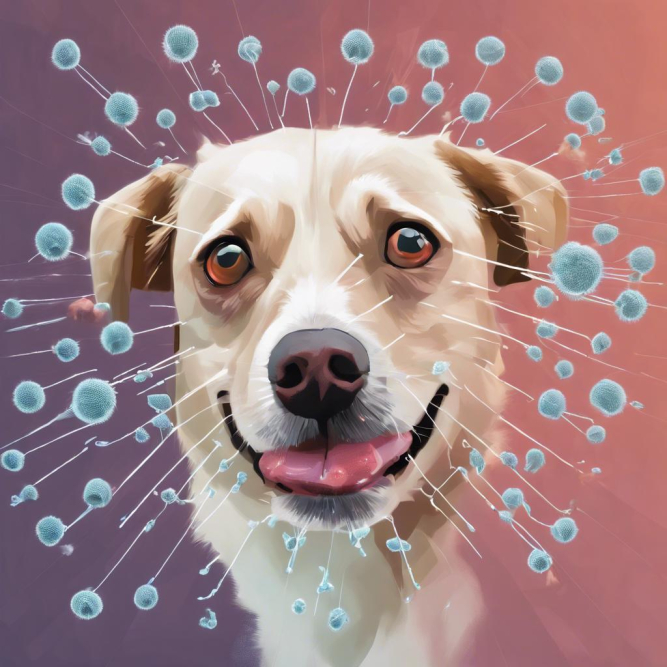
In the realm of canine behavior, the seemingly innocuous act of sneezing has piqued the curiosity of many dog owners and researchers alike. The correlation between play and sneezing in dogs has been the subject of much speculation, prompting a closer examination of the potential reasons behind this intriguing phenomenon. Through scientific inquiry and observation, we seek to unravel the mystery of why dogs sneeze when engaging in playful activities, shedding light on the underlying physiological and behavioral factors at play.
Table of Contents
- Causes of Sneezing in Dogs during Playtime
- The Role of Inhaled Particles in Canine Sneezing Behavior
- How Canine Play Behavior Triggers the Sneezing Reflex
- Understanding Canine Communication and Sneezing in Play
- The Importance of Monitoring Sneezing in Dogs during Play
- Recommended Strategies for Addressing Excessive Sneezing in Dogs
- Key Signs of Respiratory Distress in Dogs during Playtime
- Q&A
- Key Takeaways
Causes of Sneezing in Dogs during Playtime
Sneezing is a common occurrence in dogs, and it often happens during playtime. This behavior may seem harmless, but it can sometimes be a sign of an underlying issue. Here are some common causes of sneezing in dogs during play:
Allergies: Just like humans, dogs can be allergic to various environmental factors such as pollen, dust, or mold. When a dog is exposed to an allergen, it can lead to sneezing as the body tries to expel the irritant from the nasal passages.
Excitement: Some dogs may sneeze during play simply because they are excited. This is especially common in puppies, as they tend to get worked up easily and may sneeze as a result of their enthusiasm.
Nasal Irritation: Dogs can also sneeze during play if something irritates their nasal passages. This may include dust, dirt, or even a foreign object that they sniffed up during play.
It’s important to note that occasional sneezing during play is generally not a cause for concern. However, if sneezing becomes excessive or is accompanied by other symptoms such as nasal discharge or coughing, it’s best to consult a veterinarian to rule out any underlying health issues.
The Role of Inhaled Particles in Canine Sneezing Behavior
Canine sneezing behavior is a common occurrence that many dog owners witness, especially during playtime. One of the key factors that contribute to sneezing in dogs is the inhalation of particles. is an important area of study that sheds light on why dogs exhibit this behavior during play and other activities.
When dogs engage in play, they often kick up dust, dirt, and other particles from the ground. These particles can be inhaled by the dog, leading to irritation of the nasal passages. As a result, the dog may sneeze as a way to expel these particles and clear its nasal passages. In addition to play, other activities such as sniffing around in the yard or interacting with other dogs can also result in the inhalation of particles, triggering sneezing behavior.
Furthermore, certain environmental factors such as pollen, mold, and other allergens can also contribute to sneezing in dogs. The inhalation of these allergens can lead to nasal irritation, causing the dog to sneeze in an attempt to clear its nasal passages. Additionally, dogs with long hair or those that are prone to allergies may be more susceptible to sneezing due to the inhalation of particles. Overall, understanding is essential for dog owners to provide a safe and comfortable environment for their pets.
<table class="wp-block-table">
  <tbody>
    <tr>
      <td><strong>Factors</strong></td>
      <td><strong>Impact</strong></td>
    </tr>
    <tr>
      <td>Playtime activities</td>
      <td>Increased exposure to dust and dirt particles</td>
    </tr>
    <tr>
      <td>Environmental allergens</td>
      <td>Trigger nasal irritation and sneezing</td>
    </tr>
    <tr>
      <td>Dog breed and allergies</td>
      <td>Predisposition to sneezing due to long hair or allergic sensitivity</td>
    </tr>
  </tbody>
</table>
```<h2 id="how-canine-play-behavior-triggers-the-sneezing-reflex">How Canine Play Behavior Triggers the Sneezing Reflex</h2>When dogs engage in play behavior, they often exhibit a peculiar behavior of sneezing. This sneezing reflex is triggered by various factors related to their play activities. Understanding why canine play behavior triggers the sneezing reflex can provide valuable insights into the communication and social dynamics of dogs.

One of the primary reasons for dogs sneezing during play is to signal their intention to engage in a friendly, non-threatening manner. It is a form of communication that helps to establish and maintain social bonds with other dogs. By sneezing, dogs convey their playful and submissive nature, reducing tension and potential conflicts during play. This behavior is particularly evident in puppies, as they learn to interact and communicate with their littermates and other dogs in the early stages of development.

Another reason for sneezing during play is related to the heightened level of excitement and adrenaline. Just like humans may exhibit physical reactions such as laughter or elevated heart rate during exciting activities, dogs may sneeze as a physiological response to their heightened state of arousal. This sneezing reflex helps to release excess energy and maintain a balance during intense play, allowing dogs to regulate their emotions and prevent overstimulation.

In summary, understanding the reasons behind why canine play behavior triggers the sneezing reflex can provide valuable insights into the social dynamics and communication strategies of dogs. This unique form of communication helps to maintain harmony during play and reflects the intricate ways in which dogs interact and bond with one another.<h2 id="understanding-canine-communication-and-sneezing-in-play">Understanding Canine Communication and Sneezing in Play</h2>Canine communication is a complex and fascinating aspect of the dog's behavior, and sneezing during play is one of the subtle ways dogs express themselves. Understanding why dogs sneeze when playing can provide valuable insights into their social interactions and emotional states.

When dogs engage in play, they often exhibit a range of behaviors that communicate their intentions and emotions. Sneezing during play is a common behavior that serves as a form of communication among dogs. It can have various meanings and is often a part of their overall body language. Here are some possible reasons why dogs sneeze during play:

1. Play Bow: When a dog sneezes during play, it could be a part of a play bow, where they lower their front end while keeping their hind end up. This gesture signals an invitation to play and is often accompanied by other playful behaviors such as barking, wagging tails, and exaggerated movements.

2. Social Signal: Sneezing can also serve as a social signal during play, indicating that the dog is feeling relaxed and comfortable in the interaction. It can help in maintaining a positive and playful atmosphere during the interaction, as it signals friendliness and goodwill.

3. Stress Relief: In some cases, dogs may sneeze during play as a way to relieve stress or tension. Just like humans may sneeze when they are nervous or excited, dogs may exhibit similar behaviors during play to release pent-up energy and emotions.

 can enhance our ability to interpret and respond to our furry companions' needs and emotions. It is essential to pay attention to the context and other body language cues to gain a comprehensive understanding of their behavior. By recognizing and respecting their communication signals, we can strengthen our bond and create a harmonious play environment for our canine friends.<h2 id="the-importance-of-monitoring-sneezing-in-dogs-during-play">The Importance of Monitoring Sneezing in Dogs during Play</h2>Dogs are known for their playful nature, and it's not uncommon to see them sneezing while engaging in a lively game of fetch or tug-of-war. While it may seem like a minor issue, monitoring your dog's sneezing during playtime is vital for their overall health and well-being. Sneezing in dogs can be a normal response to excitement or physical exertion, but it can also indicate an underlying health issue that needs to be addressed.

When a dog sneezes during play, it is often a result of them getting overly excited or exerting themselves. Just like humans, dogs can sneeze to release excess energy or to signal their enjoyment of the activity. In addition, sneezing can also be a way for dogs to communicate with other dogs, signaling that they are having a good time and are in a friendly, non-threatening mood. However, if the sneezing becomes excessive or is accompanied by other symptoms such as lethargy, coughing, or discharge from the nose, it could be a sign of a more serious problem.

It's important to monitor your dog's sneezing behavior closely, especially during play, to ensure that it is within the normal range. If you notice that your dog is sneezing excessively or seems to be in discomfort, it may be a good idea to consult with a veterinarian to rule out any underlying health issues. By staying vigilant and proactive in monitoring your dog's sneezing, you can ensure that they stay healthy and happy during playtime.<h2 id="recommended-strategies-for-addressing-excessive-sneezing-in-dogs">Recommended Strategies for Addressing Excessive Sneezing in Dogs</h2>Excessive sneezing in dogs can be a cause for concern for many pet owners. When dogs are playing, sneezing excessively can be a sign of various issues, including allergies, respiratory infections, or even foreign objects stuck in their nasal passages. Understanding the underlying causes and implementing recommended strategies can help address this behavior in dogs.

**Identifying the Cause**: It's important to first identify the cause of excessive sneezing in dogs. This can be done by observing the dog's behavior, environment, and any other accompanying symptoms. Common causes of excessive sneezing in dogs include:

- Allergies: Dogs can be allergic to various allergens such as pollen, dust, mold, or certain foods, which can trigger sneezing.
- Respiratory Infections: Infections such as kennel cough or sinusitis can cause excessive sneezing in dogs.
- Foreign Objects: Dogs, especially playful ones, may accidentally inhale small objects that can cause irritation and sneezing.
- Dental Issues: Dental problems can also cause dogs to sneeze excessively when playing.

**Recommended Strategies**: Once the cause has been identified, implementing the following strategies can help address excessive sneezing in dogs:

- Consult a Veterinarian: If excessive sneezing persists, consulting a veterinarian is essential to rule out any serious health issues and receive proper treatment.
- Allergen Management: Identifying and minimizing exposure to allergens can help reduce sneezing in allergic dogs.
- Regular Dental Checkups: Ensuring good oral health in dogs can prevent dental issues that may lead to excessive sneezing.
- Clean Living Environment: Regular cleaning of the dog's environment can help reduce exposure to dust and other potential irritants.<h2 id="key-signs-of-respiratory-distress-in-dogs-during-playtime">Key Signs of Respiratory Distress in Dogs during Playtime</h2>There are certain key signs of respiratory distress in dogs that may become apparent during playtime. It's important for dog owners to be able to recognize these signs in order to ensure the well-being of their furry friends. Some of the key signs to look out for include excessive panting, wheezing or raspy breathing, and coughing. Additionally, if a dog appears to be struggling to catch their breath or seems to be in distress while playing, it's essential to take immediate action and seek veterinary care if necessary.

Excessive panting in dogs during playtime may indicate that they are experiencing respiratory distress. This can be particularly concerning if the panting is not subsiding after a period of rest. Wheezing or raspy breathing may also be a sign of respiratory distress, and could potentially indicate an underlying respiratory issue. Furthermore, if a dog starts coughing during playtime, it's important to monitor the frequency and duration of the coughing, as well as any other accompanying symptoms. It's crucial for dog owners to be observant and responsive to their pet's behaviors during playtime in order to ensure their respiratory health.

In addition to the signs mentioned above, other indicators of respiratory distress in dogs during playtime could include excessive drooling, bluish gums or tongue, and an overall sense of discomfort or agitation. These signs may suggest that a dog is struggling to breathe properly and requires immediate attention from a veterinarian. It's crucial for dog owners to be proactive in monitoring their pet's respiratory health, especially during physical activities such as playtime. <h2 id="qa">Q&A</h2><b>Q:</b> Why do dogs sneeze when playing?

<b>A:</b> Dogs may sneeze when playing for a few different reasons, and it's often a normal and harmless behavior. Some of the reasons why dogs sneeze when playing are:

- <b>Communication:</b> When dogs are playing, sneezing can be a way for them to communicate with each other. It can be a signal that they are just playing and not being aggressive. This is particularly common in puppies and younger dogs as they learn social cues and boundaries.

- <b>Excitement:</b> Just like humans, dogs can sneeze when they are excited. Playing and roughhousing with other dogs or their human companions can get their adrenaline pumping, which may result in a few sneezes here and there.

- <b>Physical irritation:</b> Sometimes, dogs may sneeze during play because they have inhaled dust or other particles, similar to how we might sneeze when something irritates our noses. This is usually nothing to worry about, but if you notice that your dog is sneezing excessively or showing other signs of distress, it's best to consult a veterinarian to rule out any underlying health issues.

In conclusion, dogs sneeze when they play for a variety of reasons, and it's usually a normal part of their behavior. As long as your dog is otherwise healthy and happy, there's no need to be concerned about a few sneezes during playtime. If you're ever unsure about your dog's sneezing or any other behavior, don't hesitate to reach out to your veterinarian for guidance. <h2 id="outro">Key Takeaways</h2>In conclusion, the act of sneezing during play behavior in dogs is likely a reflexive response to intense physical activity and excitement. While it may seem peculiar, sneezing while playing is a normal and harmless behavior. Research into this phenomenon is ongoing, and further investigation into the specific triggers and mechanisms behind canine sneezing during play may provide valuable insights into the unique behaviors and physiology of our canine companions. Understanding and appreciating these behaviors can enhance our relationships with dogs and contribute to the overall well-being of both humans and animals in our shared ecosystems. As we continue to delve deeper into the complexities of canine behavior, we strive to promote a greater understanding and empathy for our faithful and beloved companions.
