



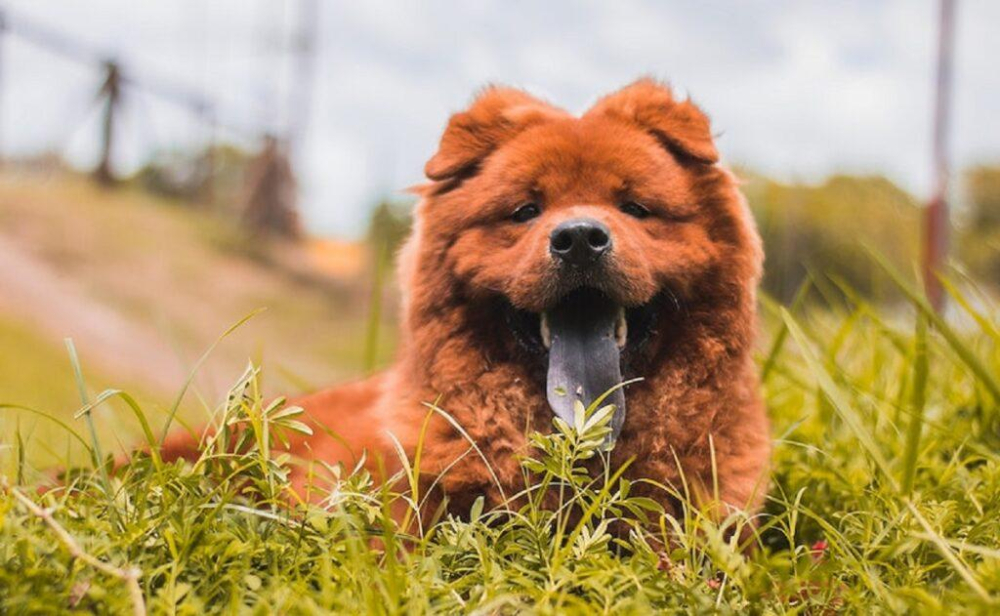
In the world of canine enthusiasts, the quest to discover the rarest breed of dog is an ongoing pursuit shrouded in mystery and intrigue. From ancient and nearly extinct breeds to those with incredibly limited population numbers, the title of “rarest” is highly coveted and sought after. Through a thorough examination of the world’s diverse canine populations, we aim to shed light on what truly constitutes the rarest breed of dog and unravel the fascinating stories behind these unique and elusive canines.
Table of Contents
- Origin and History of the Rarest Dog Breeds
- Unique Characteristics and Physical Traits of the Rarest Dog Breeds
- Challenges and Considerations in Owning a Rare Dog Breed
- Conservation Efforts and the Future of Rare Dog Breeds
- Q&A
- The Way Forward
Origin and History of the Rarest Dog Breeds
When it comes to rare dog breeds, there are a few that stand out from the rest. These breeds are often shrouded in mystery and have a fascinating history that sets them apart from other more common breeds. From the ancient Azawakh to the playful Norwegian Lundehund, these rare breeds have a storied past that makes them truly special.
One of the rarest dog breeds in the world is the Azawakh. This elegant and graceful sighthound has been a part of West African nomads’ lives for centuries. They were originally bred to be guardians and hunters, and their loyalty and independence make them unique among other dog breeds.
Another rare breed is the Norwegian Lundehund, known for its ability to hunt puffin birds along the Norwegian coast. With its unique physical characteristics, such as six toes on each foot and the ability to bend its head backward along its own spine, the Lundehund is truly one-of-a-kind. These rare dog breeds have a rich history and continue to captivate dog enthusiasts around the world.
Unique Characteristics and Physical Traits of the Rarest Dog Breeds
When it comes to rare dog breeds, there are several unique characteristics and physical traits that make them stand out from more common breeds. It’s important to note that rarity can be determined by a variety of factors, including population size, breeding restrictions, and geographic location. In this section, we’ll explore some of the rarest dog breeds and the distinct traits that make them so unique.
Afghan Hound
The Afghan Hound is known for its long, flowing coat and regal appearance. This ancient breed hails from the mountainous regions of Afghanistan, where it was originally used for hunting large game. With its slender build and graceful gait, the Afghan Hound is a sight to behold.
Azawakh
Originating from West Africa, the Azawakh is a rare sighthound with a lean and muscular frame. Known for its impressive speed and endurance, this breed was traditionally used by nomadic tribes for hunting and protection. The Azawakh’s distinctive appearance and loyal nature make it a prized companion for those lucky enough to own one.
Challenges and Considerations in Owning a Rare Dog Breed
When considering owning a rare dog breed, there are several challenges and considerations that potential owners should keep in mind. From the cost of acquiring a rare breed to the potential health issues that may arise, being a responsible owner of a rare dog takes careful planning and consideration. Here are some of the challenges and considerations to keep in mind when thinking about bringing a rare dog breed into your home.
**Challenges and Considerations:**
1. **Cost:**
– Rare dog breeds often come with a hefty price tag. The initial cost of acquiring a rare breed can be significantly higher than more common breeds.
- Ongoing expenses for a rare breed, including specialized food, grooming, and healthcare, can also be more expensive than for more common breeds.
2. **Health Concerns:**
– Limited gene pool: Many rare dog breeds have a limited gene pool, which can lead to an increased risk of genetic health issues.
- Lack of available healthcare options: Some rare breeds may have limited access to specialized veterinary care or may require travel to find a veterinarian familiar with their specific health needs.
Conservation Efforts and the Future of Rare Dog Breeds
Conservation efforts play a crucial role in securing the future of rare dog breeds, as many of these breeds are at risk of extinction due to declining populations and lack of genetic diversity. One of the rarest dog breeds in the world is the Azawakh, an ancient sighthound breed that originated in West Africa. **With only a few hundred individuals** believed to exist, the Azawakh is considered critically endangered. Conservation initiatives focused on preserving the breed’s genetic heritage and promoting responsible breeding practices are essential for ensuring the survival and well-being of these unique dogs.
Another rare and vulnerable breed is the Catalburun, a Turkish pointer known for its distinctive split-nose feature. With **less than 200 purebred individuals** estimated to remain, the Catalburun faces significant threats to its long-term viability. Conservation efforts aimed at raising awareness about the breed, establishing breed standards, and establishing breeding programs are vital for safeguarding its future.
Q&A
Q: What is the rarest breed of dog?
A: The rarest breed of dog is widely considered to be the Norwegian Lundehund.
Q: Why is the Norwegian Lundehund considered the rarest breed?
A: The Norwegian Lundehund is considered the rarest breed due to its small population, unique physical characteristics, and historical decline in numbers.
Q: What are some of the unique physical characteristics of the Norwegian Lundehund?
A: The Norwegian Lundehund has several unique physical characteristics, including six toes on each foot, a flexible neck that allows it to bend its head backward to touch its spine, and a double-jointed shoulder structure.
Q: Why has the population of the Norwegian Lundehund declined?
A: The population of the Norwegian Lundehund has declined due to its original purpose as a puffin-hunting dog becoming obsolete, as well as the breed being nearly wiped out by disease in the mid-20th century.
Q: Are there any other rare breeds of dogs?
A: Yes, there are several other rare breeds of dogs, such as the Azawakh, Mudi, and Catalburun. These breeds are rare due to their small populations and limited geographical distribution.
Q: How can I find and adopt a rare breed of dog?
A: Finding and adopting a rare breed of dog can be challenging, but it is possible through specialized breeders, rescue organizations, and breed-specific clubs. However, potential owners should be aware of the potential challenges and responsibilities that come with adopting a rare breed.
The Way Forward
In conclusion, the quest to determine the rarest breed of dog is a complex and subjective one. There are many factors to consider, including population numbers, historical significance, and geographic distribution. While some breeds may be considered rare due to their sheer scarcity, others may be rare due to their unique traits and characteristics.
Ultimately, the rarity of a dog breed is a reflection of the intricate and dynamic relationship between human society and canine evolution. As breeding and conservation efforts continue, and as our understanding of genetics and canine history deepens, the definition of rarity may continue to evolve. Regardless of whether a breed is rare or common, every dog deserves our respect, care, and appreciation for the special qualities they bring to our lives.
Auto Amazon Links: No products found.

