



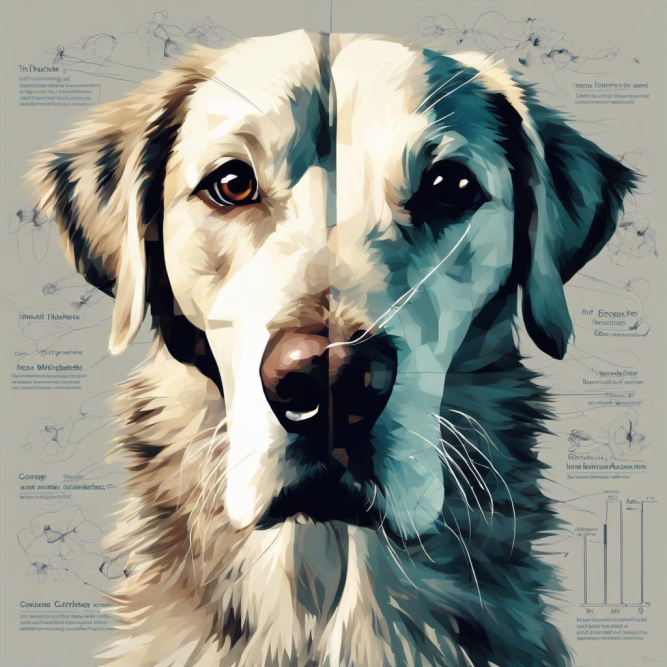
Canine whiskers, or vibrissae, play a crucial role in a dog’s sensory perception and are believed to serve a variety of important functions. Despite their seemingly unassuming appearance, whiskers are intricate and specialized sensory organs that provide dogs with valuable information about their surroundings. Through extensive research and observation, scientists have sought to unravel the mystery of what exactly the purpose of a dog’s whiskers truly is. This article will delve into the scientific understanding of the purpose and significance of canine whiskers, shedding light on their role in a dog’s sensory experience.
Table of Contents
- Anatomy and Function of Dog Whiskers
- Sensory Role of Dog Whiskers in Spatial Navigation
- The Importance of Dog Whiskers in Communication and Social Interaction
- Protective Role of Dog Whiskers in Preventing Injury
- Behavioral Significance of Dog Whiskers in Hunting and Predation
- The Influence of Coat Type and Breed on Dog Whisker Function
- Implications for Grooming and Care of Dog Whiskers in Domestic Settings
- Q&A
- Future Outlook
Anatomy and Function of Dog Whiskers
Dog whiskers, also known as vibrissae, are long, coarse hairs that are located on the muzzle, above the eyes, and on the back of the forelegs of a dog. These specialized hairs are deeply embedded in the dog’s muzzle and are packed with nerves that are highly sensitive to touch. The anatomy of dog whiskers includes a hair follicle surrounded by a sensory organ called a proprioceptor, which sends signals to the dog’s brain when the whiskers come into contact with objects in their environment.
The primary function of dog whiskers is to help dogs navigate their surroundings. When a dog’s whiskers come into contact with objects, they send signals to the dog’s brain, helping them determine the size, shape, and texture of the objects around them. Whiskers also play a crucial role in a dog’s spatial awareness, helping them avoid obstacles and predators, and allowing them to judge distances accurately, especially in low light or dimly lit environments. Additionally, dog whiskers can also serve as a form of communication, offering insight into a dog’s emotional state. When a dog is fearful or agitated, their whiskers may become more rigid and move forward, signaling their alertness.
In summary, dog whiskers are not just a unique and charming feature of our canine companions, but they also serve a vital purpose in helping them navigate their environment with precision and confidence. Understanding the can provide valuable insight into the sensory world of dogs and how they interact with the world around them.
Sensory Role of Dog Whiskers in Spatial Navigation
Dogs Whiskers: The Sensory Role in Spatial Navigation
The sensory role of dog whiskers is an essential aspect of their ability to navigate their surrounding environment. Whiskers, also known as vibrissae, are specialized hairs that are deeply rooted in a dog’s skin and are highly innervated, allowing them to serve as sensory organs. These long, stiff hairs are not just for aesthetic purposes, but rather play a crucial role in helping dogs to orient themselves and navigate through their surroundings.
How Whiskers Help Dogs Navigate
- Sensing Air Currents: Dog whiskers can detect changes in air currents, helping them to perceive the presence of objects or obstacles in their vicinity.
- Determining Object Proximity: The length and flexibility of a dog’s whiskers enable them to gauge the distance between their face and nearby objects, aiding in spatial awareness.
- Enhancing Spatial Mapping: The sensory information gathered through their whiskers aids in creating a mental map of their environment, enabling dogs to move around without colliding with obstacles.
- Supporting Low-Light Navigation: In low-light conditions, whiskers provide dogs with additional sensory input, allowing them to navigate effectively even when their vision is limited.
In summary, dog whiskers are not just an aesthetic feature, but rather serve a critical role in spatial navigation and environmental perception for our canine companions. Understanding the significance of these sensory organs can shed light on the remarkable abilities of dogs to navigate their surroundings with precision and agility.
The Importance of Dog Whiskers in Communication and Social Interaction
When it comes to understanding the behavior and social interaction of dogs, one crucial aspect to consider is the role of dog whiskers. Whiskers, also known as vibrissae, are long, stiff hairs located on a dog’s muzzle, above the eyes, and on the chin. While they may appear to be just another set of hairs, the truth is that dog whiskers play an important role in a dog’s communication and perception of the world around them.
Sensory Perception: Dog whiskers are deeply rooted in a dog’s hair follicles and are loaded with nerves, making them highly sensitive to touch and vibrations. This heightened sensitivity allows dogs to gather important information about their surroundings, such as the size, shape, and texture of objects, as well as changes in the air currents. Essentially, whiskers act as a sensory tool that helps dogs navigate their environment with precision.
Communication and Social Interaction: In addition to their sensory function, dog whiskers also play a crucial role in communication and social interaction. Whisker movements can convey a dog’s emotional state and intentions to other dogs and even to humans. For example, when a dog is feeling threatened or fearful, their whiskers may be pulled back close to their face. On the other hand, a relaxed and curious dog may have their whiskers extended forward. Understanding these subtle cues can help dog owners and handlers better interpret and respond to their dog’s needs.
Protective Role of Dog Whiskers in Preventing Injury
The purpose of a dog’s whiskers goes beyond just giving them a unique appearance. These long, stiff hairs are not just for show, but serve a vital protective function for our canine companions. Dog whiskers, also known as vibrissae, play a crucial role in the overall wellbeing and safety of the animal. Here are some key insights into the .
-
Sensory Functions: Dog whiskers are deeply embedded in the follicles on their muzzles, eyebrows, and chin. These whiskers are highly sensitive, capable of detecting even the slightest changes in the environment. This heightened sensitivity helps dogs navigate their surroundings, particularly in low-light conditions or when their vision is impaired. The sensory function of whiskers allows dogs to perceive potential obstacles in their path and adjust their movements accordingly, reducing the risk of collision and injury.
-
Spatial Awareness: Dog whiskers are instrumental in helping dogs gauge the width of openings and the position of objects around them. This spatial awareness is crucial for dogs, especially in unfamiliar or confined spaces, as it allows them to avoid getting stuck in tight spots or bumping into obstacles. By brushing against objects, their whiskers provide valuable tactile feedback that aids in their spatial navigation, ultimately preventing them from sustaining injuries.
-
Protective Barrier: The protective role of dog whiskers extends to shielding their delicate facial skin from potential harm. When a dog’s whiskers come into contact with an object, it triggers a reflexive response that prompts the dog to adjust its position or avoid the obstacle altogether. This instinctual reaction serves as a form of injury prevention, as the whiskers act as a “first line of defense” by alerting the dog to potential hazards in their immediate environment.
In conclusion, the value of dog whiskers goes far beyond their aesthetic appeal, as they serve as a vital sensory tool for our furry friends. By helping dogs navigate their surroundings, maintain spatial awareness, and detect potential dangers, whiskers play a critical role in preventing injuries and ensuring the overall safety and wellbeing of dogs.
Behavioral Significance of Dog Whiskers in Hunting and Predation
Dog whiskers, also known as vibrissae, are not just a cute feature of our furry friends. They serve a significant purpose, especially in hunting and predation. These special sensitive hairs are deeply embedded in the dog’s skin and are connected to their nervous system, allowing them to pick up subtle changes in their environment. Understanding the behavioral significance of dog whiskers in these contexts can provide insight into the hunting capabilities and survival instincts of dogs.
Hunting and Navigation: Dog whiskers play a crucial role in helping dogs navigate their surroundings, especially in low light conditions or when visibility is limited. They can detect changes in air currents and slight movements, allowing dogs to accurately locate and track their prey. This sensory ability gives them an advantage in hunting, making them efficient predators.
Prey Detection and Communication: In addition to aiding in navigation, dog whiskers also help in detecting prey. They can sense the size, shape, and texture of objects around them, providing valuable information about potential prey. Furthermore, during the hunt, dogs use their whiskers to communicate non-verbally with each other, coordinating their movements and strategies to catch their prey effectively.
The Influence of Coat Type and Breed on Dog Whisker Function
The whiskers, or vibrissae, on a dog’s face serve a specific purpose related to their coat type and breed. While all dogs carry these specialized hairs, their function can vary depending on the breed and the type of coat they have. Whiskers are not just decorative, but play an essential role in a dog’s sensory perception, allowing them to navigate and interact with their environment. Here’s a closer look at how coat type and breed influence the function of a dog’s whiskers.
Coat Type:
- Double Coat: Dogs with a double coat, such as the Siberian Husky or the Golden Retriever, have a dense undercoat and a longer topcoat. This type of coat can affect the sensitivity of a dog’s whiskers, as they may be more insulated and less able to detect subtle changes in their surroundings.
- Short, Smooth Coat: Breeds with short, smooth coats, like the Dalmatian or the Boxer, may have more exposed whiskers, allowing for greater sensitivity and responsiveness to their environment.
- Wire Coat: Dogs with wiry coats, such as the Airedale Terrier or the Wire Fox Terrier, may have stiffer whiskers that are able to detect even the slightest movements, helping them in activities like hunting and tracking.
Breed:
- Working Breeds: Dogs bred for specific tasks, like hunting or herding, may have whiskers that are finely tuned to aid them in their specialized roles. For example, the whiskers of a Border Collie, a breed known for herding livestock, may be more adept at detecting the movements of sheep or other animals.
- Toy Breeds: Smaller breeds, such as the Maltese or the Chihuahua, may have finer, more delicate whiskers that are still highly sensitive, but adapted to their smaller size and less rugged activities.
- Scent Hounds: Breeds like the Bloodhound or the Basset Hound, known for their exceptional sense of smell, may have whiskers that work in tandem with their olfactory abilities, helping them to navigate and follow scents more effectively.
In conclusion, the influence of coat type and breed on a dog’s whisker function is a fascinating area of study. By understanding how these factors can impact a dog’s sensory perception, we can gain a deeper appreciation for the intricate ways in which dogs interact with their environment.
Implications for Grooming and Care of Dog Whiskers in Domestic Settings
Dog whiskers, also known as vibrissae, serve several important purposes for our furry friends. These long, stiff hairs are deeply embedded in the follicles and are connected to the nervous system, providing dogs with sensory information about their surroundings. Whiskers are more than just decorative features; they are an essential part of a dog’s sensory apparatus. It’s important for pet owners to understand the implications of grooming and caring for their dog’s whiskers in domestic settings.
One of the primary functions of dog whiskers is to help them navigate their environment. Whiskers are highly sensitive to touch and vibrations, allowing dogs to detect changes in air currents and movements of objects around them. This sensory input helps dogs avoid obstacles, navigate in low-light conditions, and sense the proximity of objects, ultimately aiding in their spatial awareness and coordination. Additionally, dog whiskers can also convey information about the size, shape, and texture of objects, giving dogs a better understanding of their surroundings.
In domestic settings, it’s crucial for pet owners to be mindful of the implications of grooming and care for their dog’s whiskers. Routine grooming practices, such as trimming or cutting a dog’s whiskers, can disrupt their ability to gather sensory information and may lead to discomfort or disorientation. It’s important to handle and groom a dog’s whiskers with care, ensuring that they remain intact and undisturbed to support the animal’s natural sensory abilities. Furthermore, keeping a dog’s whiskers clean and free from dirt and debris is essential for maintaining their sensory function and overall well-being.
Q&A
What is the purpose of dogs whiskers?
**Q: What are whiskers on a dog?**
A: Whiskers, also known as vibrissae, are long, thick, and stiff hairs that are found on a dog’s muzzle, above their eyes, and on their chin. These specialized hairs are deeply embedded in the dog’s skin and are rich in nerve endings, making them highly sensitive to touch and movement.
**Q: What is the purpose of a dog’s whiskers?**
A: The primary function of a dog’s whiskers is to provide them with sensory information about their surroundings. The whiskers help dogs detect changes in their environment, such as approaching objects, nearby movements, and the size and shape of objects. This is especially useful in low-light situations, allowing dogs to navigate their surroundings and interact with other animals more effectively.
**Q: How do dog’s whiskers work?**
A: When a dog’s whiskers come into contact with an object or their surroundings, the vibration or movement of the whiskers triggers nerve signals that are sent to the dog’s brain, providing them with essential information about their environment. This sensory input helps dogs make quick decisions, such as determining the width of a narrow passage, sensing the proximity of an object, or detecting a potential threat.
Future Outlook
In conclusion, the purpose of dogs’ whiskers is multifaceted and plays a vital role in their sensory experiences. Through our research, we have learned that whiskers serve as a tool for spatial awareness, sensory detection, and communication. Understanding the significance of these specialized hairs can enhance our appreciation for the complex and nuanced abilities of our canine companions. As research in this field continues to advance, we may uncover even more fascinating insights into the importance of dogs’ whiskers. We hope that this article has provided you with valuable information and a deeper understanding of the remarkable capabilities of man’s best friend.

