



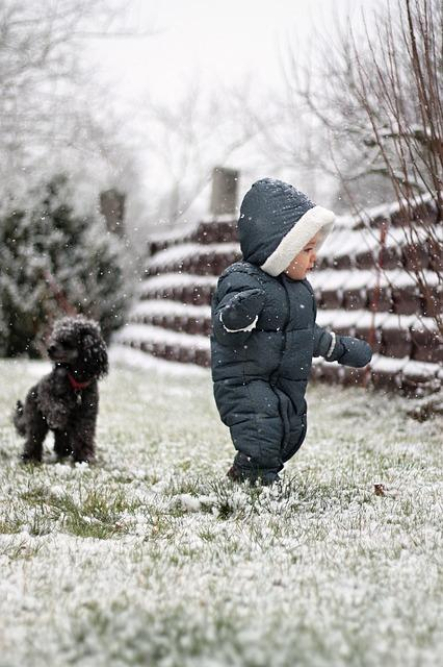
Poodles are often associated with their stylish and elegant appearance, but their original purpose is rooted in utility and practicality. In this article, we will delve into the historical and functional origins of poodles, shedding light on their original purpose and the unique qualities that have shaped their evolution as a breed. Through a comprehensive analysis, we will explore the roles poodles played throughout history and the traits that distinguished them as versatile and adaptable working dogs. Understanding the original purpose of poodles is essential in gaining a deeper appreciation for their capabilities and the characteristics that make them a beloved breed today.
Table of Contents
- The History of Poodles as Hunting Dogs
- The Evolution of Poodles as Circus Performers
- Poodles as Guide Dogs for the Visually Impaired
- Modern Day Role of Poodles as Therapy Dogs
- Q&A
- The Conclusion
The History of Poodles as Hunting Dogs
Poodles might be known today for their elegant appearance and intelligence, but their history as hunting dogs is often overlooked. In fact, poodles were originally bred for hunting waterfowl and retrieving game for hunters. They were highly valued for their swimming abilities and intelligence, which made them the perfect companions for hunters in the 17th and 18th centuries.
The breed’s distinct curly coat actually served a purpose in their hunting days, as it provided insulation and buoyancy in cold waters. Poodles were also known for their agility and trainability, making them versatile and effective working dogs for various types of hunting. They were used in both land and water hunting, and their skills were highly esteemed by hunters across Europe.
Today, poodles are more commonly associated with the show ring than the hunting field, but their original purpose as hunting dogs should not be forgotten. Despite their reputation as pampered pets, poodles have a rich history as skilled and dedicated hunting companions.
The Evolution of Poodles as Circus Performers
Poodles have a long history of working as circus performers, showcasing their intelligence, agility, and trainability. Originally bred as water retrievers in Germany, poodles were used for hunting waterfowl due to their swimming abilities and characteristic curly coats, which provided protection from the cold water. However, their remarkable intelligence and knack for learning quickly made them popular as performers in circuses and traveling shows.
can be attributed to their unique combination of physical abilities and high intelligence, making them well-suited for learning complex tricks and entertaining audiences. Over time, poodles have become a staple in circus acts, delighting spectators with their impressive agility, acrobatic skills, and ability to follow commands with precision. Their natural showmanship and ability to connect with audiences have cemented their place as beloved circus performers around the world.
In addition to their circus performances, poodles have also excelled in other forms of entertainment, including television and film. Their versatility and adaptability have allowed them to take on a wide range of roles, showcasing their exceptional intelligence and charm to captivate audiences across different mediums. Whether performing in the spotlight of the circus ring or on the silver screen, poodles continue to demonstrate their original purpose as highly trainable and entertaining performers.
Poodles as Guide Dogs for the Visually Impaired
Poodles are a unique breed that was originally bred for specific purposes, one of which was to serve as guide dogs for the visually impaired. Their exceptional intelligence, agility, and hypoallergenic coat made them ideal for this important role. Poodles were trained to assist blind individuals with tasks such as navigating obstacles, crossing streets, and finding specific objects or locations.
**Key Characteristics of Poodles as Guide Dogs:**
- Intelligence: Poodles are known for their high level of intelligence, which makes them quick learners and able to understand complex commands.
- Hypoallergenic Coat: Their curly, non-shedding coat makes them suitable for individuals with allergies, providing comfort and companionship without causing allergic reactions.
– Agility: Poodles are agile and have excellent mobility, allowing them to guide visually impaired individuals safely and effectively.
**Historical Significance:**
Poodles have a long history of serving as guide dogs, dating back to the 20th century when they were initially recognized for their exceptional qualities. Their ability to provide essential support and assistance to those with visual impairments has solidified their reputation as reliable and trustworthy companions. Through specialized training and intentional breeding, poodles continue to excel in their role as guide dogs, offering invaluable independence and security to visually impaired individuals.
| Poodle Guide Dogs |
|———————|
| Intelligence |
| Hypoallergenic Coat |
| Agility |
Modern Day Role of Poodles as Therapy Dogs
Poodles are renowned for their intelligence, agility, and friendly nature, making them ideal candidates for therapy work. Their modern-day role as therapy dogs has evolved from their original purpose as water retrievers. Poodles were initially bred for retrieving game from water, a task that required not only physical stamina but also mental acuity. These same qualities that made them excellent hunters also make them well-suited for the demanding work of therapy dogs.
The modern-day role of poodles as therapy dogs is multifaceted and impactful. Here are some key aspects of their contribution:
– Emotional Support: Poodles excel at providing comfort and emotional support to individuals in various settings, such as hospitals, nursing homes, and schools.
- Stress Reduction: Their calm and gentle demeanor can help reduce stress and anxiety in those they interact with, promoting a sense of well-being.
– Social Interaction: Poodles are adept at facilitating social interaction and communication among individuals, helping to foster a sense of community and connection.
In addition to their innate qualities, poodles undergo specialized training to ensure they are well-equipped to handle the unique challenges of therapy work. This training enables them to respond to various cues and commands, maintain a calm and composed demeanor, and adapt to different environments and situations, further enhancing their effectiveness as therapy dogs. As a result, poodles play a vital role in improving the quality of life for many people, making them indispensable members of therapy dog programs.
Q&A
Q: What was the original purpose of the poodle breed?
A: The poodle was originally bred as a water retriever, specifically for retrieving waterfowl for hunters.
Q: How did the poodle’s unique grooming style develop?
A: The poodle’s distinctive grooming style developed out of a practical need for working in water. The pompons were left on the joints and vital organs to keep them warm, while the rest of the body was shorn to reduce drag in the water.
Q: What other roles did poodles historically fulfill?
A: In addition to their role as water retrievers, poodles were also used as circus performers due to their high intelligence, trainability, and agility. They were also popular as companion dogs for nobility and the upper class.
Q: How has the poodle breed evolved in modern times?
A: While the poodle’s original purpose as a water retriever may no longer be as prominent, the breed has adapted to other roles such as family pets, show dogs, and therapy dogs. Their intelligence and hypoallergenic coat have made them popular choices for various purposes.
The Conclusion
In conclusion, the original purpose of the poodle breed was one of practicality and function. Bred for retrieving waterfowl in the marshes of Europe, their intelligence, agility, and swimming ability made them invaluable assets to hunters. However, their elegant appearance and hypoallergenic coat have also made them popular as companions and show dogs in modern times. Despite their diverse roles throughout history, the poodle’s original purpose as a skilled retriever remains an essential part of their heritage and should not be forgotten. Understanding the breed’s origins and inherent abilities is crucial in appreciating and preserving the poodle as a unique and cherished canine companion.

