



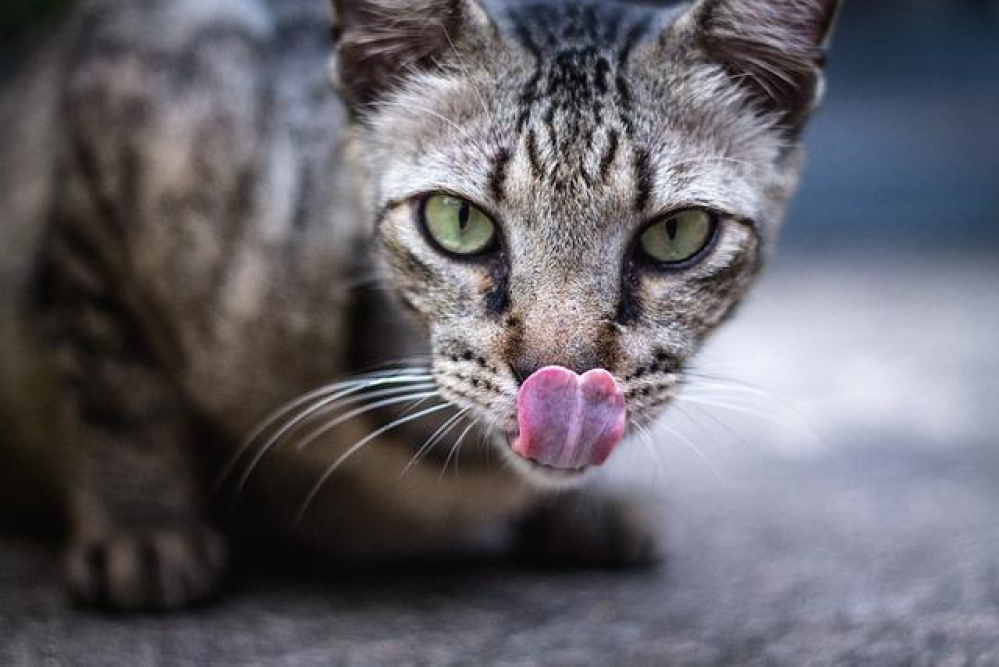
Unveiling the Mysteries of the “Cat’s Tongue”: A Fascinating Revelation into Feline Evolution
In the annals of natural wonders, the feline species has long perplexed scientists with its impeccable agility, enigmatic behaviors, and intriguing anatomical adaptations. One such marvel that sets our beloved feline companions apart from other species is the captivating structure of their tongues – an intricate labyrinth of tiny bristles that have fascinated even the most astute scientific minds.
As we embark on a journey into this captivating realm, we delve deep into the scientific intricacies behind the enigmatic “cat’s tongue.” Drawing on the latest research, this article unveils the secrets that lie within this seemingly simple yet astonishingly complex organ, shed light on the evolutionary wonders that have sculpted it, and explore the astonishing roles it plays in the everyday lives of these enigmatic creatures.
Peer through the lens of scientific discovery as we unravel the mysteries surrounding the cat’s tongue, and gain deeper insights into its extraordinary functionality. From its ability to groom immaculately to fueling the feline’s unparalleled hunting prowess, we will explore the intricate adaptations that have made the cat’s tongue an evolutionarily advantageous tool – something more than just an ordinary tongue.
Join us on this captivating journey as we venture into the world of feline anatomy, shining a scientific spotlight on the mesmerizing “cat’s tongue.” Prepare to be astounded, amused, and captivated by the myriad wonders that await – hidden within this seemingly everyday feature of our enigmatic feline companions.
Table of Contents
- The Unique Structure of Cats’ Tongues: An In-depth Analysis
- Understanding the Papillae: Key Features of Cats’ Tongue Surface
- Efficient Grooming Habits: How Cats Utilize Their Tongues
- Implications for Feline Health and Nourishment: Insights into Cats’ Tongue Function
- Enhancing Oral Care for Your Feline Friend: Recommendations for Owners
- Q&A
- In Conclusion
The Unique Structure of Cats’ Tongues: An In-depth Analysis
Cats are fascinating creatures, and one aspect that sets them apart from other animals is their unique tongue structure. While many people may think of their tongues as simply a tool for grooming, a closer look reveals a complex and efficient design with multiple functions.
An Amazing Array of Papillae
The surface of a cat’s tongue is covered in tiny, backward-facing structures called papillae. These papillae serve several purposes, including grooming, feeding, and even aiding in their sense of taste. The most pronounced papillae on a cat’s tongue, known as filiform papillae, are long and spiky, providing them with an effective grooming tool. When a cat licks its fur, these papillae help remove dirt, debris, and loose hairs. The barbs on the papillae act like a brush, trapping the unwanted material and allowing the cat to swallow it or remove it through grooming.
Assisting with Feeding and Drinking
Cats’ tongues also play a crucial role in their feeding habits. While the spiky filiform papillae aid in grooming, the shorter papillae found towards the back of the tongue, known as fungiform papillae, help to scrape meat off bones or lap up liquids. These papillae are covered in taste buds, which allow cats to enjoy and savor the flavors of their food. Additionally, the rough texture of a cat’s tongue helps create a vacuum effect when they drink liquids. As they touch the surface of the liquid with their tongue, the rapid withdrawal of the tongue creates a column of liquid that is then lifted into their mouths.
The Importance of Understanding Cat Tongues
Understanding the unique structure and functions of a cat’s tongue is not only fascinating but also important for their overall well-being. It helps us better comprehend their grooming behaviors, dietary needs, and even potential health concerns. For example, the grooming action of a cat’s tongue can lead to the ingestion of loose hair, which may form hairballs in their digestive system. Knowing this, responsible cat owners can take steps to minimize hairball formation through regular grooming and the use of specialized diets or supplements. By delving into the depths of a cat’s tongue, we gain a deeper appreciation for these remarkable creatures and can provide them with the care they deserve.
Understanding the Papillae: Key Features of Cats’ Tongue Surface
The unique texture of a cat’s tongue has always intrigued both cat lovers and scientists alike. Cats have specialized structures on their tongues known as papillae, which play a crucial role in various aspects of their everyday lives. Let’s delve deeper into the key features of a cat’s tongue surface and uncover the fascinating functions they serve.
An Abundance of Papillae
One of the distinguishing characteristics of a cat’s tongue is the abundance of papillae. These tiny, backward-facing structures are rough to the touch and cover the entire surface of the tongue. The papillae are made up of keratin, the same material found in human fingernails, and provide cats with several functional advantages.
Grooming and Efficient Cleaning
The arrangement of papillae on a cat’s tongue is particularly effective in grooming and keeping their fur clean. Using their tongues, cats are able to remove dirt, debris, and loose hair from their coats effortlessly. The papillae act as natural bristles, aiding in detangling and distributing natural oils throughout their fur, resulting in a sleek and well-groomed appearance.
Aiding Food Consumption
Another key function of the papillae is their role in food consumption. The backward-facing nature of these structures enables cats to effectively scrape meat off bones and clean their prey. The papillae also come into play when cats are lapping up liquids. As they extend their tongue to drink, the papillae create small ridges, helping to retain the liquid and direct it towards the back of their throat.
Conclusion
The papillae on a cat’s tongue truly make it an incredible and versatile tool, enhancing their grooming abilities and facilitating efficient food consumption. Understanding the key features of the cat’s tongue surface sheds light on the unique adaptations that contribute to a cat’s overall survival and well-being.
Efficient Grooming Habits: How Cats Utilize Their Tongues
The grooming habits of cats are fascinating to observe and study. These graceful creatures have evolved a unique tool for self-care – their tongues. Cat tongues are covered in tiny, backward-facing spines called papillae, which give the tongue a rough, sandpaper-like texture. This specialized adaptation serves several important functions for cats, including grooming, hunting, and maintaining their overall well-being.
Grooming: Cats spend a significant amount of their waking hours grooming themselves. The rough texture of their tongues helps to remove dirt, debris, and loose hair from their fur. This self-grooming behavior not only keeps their coats clean but also helps regulate their body temperature as the saliva on their tongues evaporates.
Hunting: The texture of a cat’s tongue is also essential for its hunting prowess. When a cat licks its fur, the papillae act as natural grooming tools, removing any scent or residue that could potentially alert prey. Additionally, the rough surface of the tongue aids in detangling and straightening their fur, ensuring they remain swift and agile during their hunting expeditions.
Maintaining Well-being: Another crucial function of a cat’s tongue is to help promote overall health and well-being. When cats groom themselves, they inadvertently remove any parasites or pests that may be present on their bodies. The papillae on their tongues help to dislodge and eliminate these unwanted guests, keeping the cat’s skin clean and free from infestations.
Overall, a cat’s tongue is a multifunctional tool that plays a crucial role in their daily lives. From maintaining their cleanliness and appearance to aiding in their hunting endeavors and ensuring their overall health, the unique structure and texture of their tongues make them highly efficient groomers.
Implications for Feline Health and Nourishment: Insights into Cats’ Tongue Function
Cats have long been revered for their distinctive tongues, which play a crucial role in their overall health and nourishment. Understanding how these unique tongues function not only provides valuable insights into the feline world but also offers important implications for cat owners, veterinarians, and researchers.
The texture and structure of a cat’s tongue are specifically designed to aid in various tasks, such as grooming and feeding. Unlike humans, cats have rough, backward-facing papillae on their tongues, which serve a dual purpose. Firstly, they act as natural combs, helping cats keep their fur clean and free from tangles. Secondly, these papillae also assist in stripping meat off bones, allowing cats to efficiently consume their prey.
Furthermore, a cat’s tongue plays an essential role in their overall dental health. The abrasive texture of the tongue helps to remove debris from their teeth, reducing the risk of dental issues such as tartar buildup and gum disease. This natural self-cleaning mechanism is why cats are less prone to dental problems compared to other animals. Additionally, the gentle stimulation provided by their tongues promotes blood circulation in the gums, ensuring healthier oral tissues.
While a cat’s tongue serves various purposes, it is important for cat owners to be mindful of their feline friends’ tongue health. Excessive grooming can lead to the ingestion of fur, potentially causing hairballs. Regular brushing can help minimize the risk of hairball formation, and specialized cat food formulated to assist with hairball control can also be beneficial. Additionally, consulting a veterinarian for regular dental check-ups and maintaining good oral hygiene practices, such as regular brushing or providing dental treats, is essential for promoting optimal feline tongue health.
| Implications for Feline Health and Nourishment: | Insights into Cats’ Tongue Function |
|---|---|
| Cats’ unique tongues aid in grooming and feeding | Cat tongues have backward-facing papillae for efficient grooming and meat consumption. |
| Cat tongues contribute to dental health | The textured tongue helps remove debris, reducing the risk of dental issues. |
| Cat owners should be aware of hairballs | Excessive grooming can lead to hairball formation, but preventative measures can minimize the risk. |
Enhancing Oral Care for Your Feline Friend: Recommendations for Owners
Your furry feline friend’s oral health plays a crucial role in their overall well-being. Maintaining good dental hygiene is not only vital for their comfort but also essential for preventing serious health issues down the line. One intriguing aspect of a cat’s oral care is their unique tongue. Let’s delve into the fascinating world of cat tongues and discover ways to enhance their oral care routine.
The Structure of a Cat’s Tongue
A cat’s tongue is a marvel of nature, designed to perform a multitude of tasks. It is covered in tiny, backward-facing barbs called papillae, which give it a rough texture. These barbs are not only responsible for grooming their fur but also for aiding in the consumption of food. The rough surface acts like a natural toothbrush, helping to remove particles that may lead to dental issues. However, despite the self-grooming capabilities of their tongues, cats still require additional oral care from their owners.
Recommendations for Optimal Feline Oral Care
Ensuring your cat’s oral health is in top shape involves a multi-faceted approach. Here are a few recommendations to keep your feline friend’s teeth and gums healthy:
- Regular Brushing: Get into the habit of brushing your cat’s teeth using specialized brushes and toothpaste designed for feline use. Aim for at least several times a week to remove plaque and reduce the risk of dental disease.
- Dental Treats and Toys: Offer dental treats or toys specifically created to promote oral health. These products help stimulate your cat’s gums and provide a gentle scrubbing action on their teeth.
- Professional Veterinary Care: Regular dental examinations and cleanings by a veterinarian are crucial. They can identify any early signs of dental problems and provide the necessary treatments to prevent further complications.
Your feline friend’s oral care should never be overlooked. By understanding the remarkable structure of their tongue and taking proactive steps to enhance their dental hygiene routine, you can contribute to their overall health and well-being. Remember, a healthy mouth equates to a happy and purr-fectly contented cat!
Q&A
Q&A: Understanding a Cat’s Tongue
Q: What is the unique structure of a cat’s tongue made of?
A: A cat’s tongue consists of small, backward-facing spines called papillae that are made of keratin, the same protein found in human hair and nails. These papillae give the tongue a rough texture, differentiating it from a human’s smooth tongue.
Q: Why does a cat’s tongue feel rough when it licks us?
A: The rough texture of a cat’s tongue is a result of the numerous papillae present on its surface. These spines serve several purposes, including grooming, aiding in the consumption of food, and even acting as a sensory organ.
Q: How do the papillae help in grooming?
A: The backward orientation and sharp edges of the papillae on a cat’s tongue help them exert strong force to remove dirt, debris, and loose hair from their fur while grooming. They act like tiny combs, making the tongue an effective grooming tool.
Q: Are the papillae responsible for the hairballs cats sometimes develop?
A: Yes, the papillae play a role in a cat’s tendency to develop hairballs. While grooming, cats ingest loose hair, and the backward-facing papillae on their tongue help trap and collect this hair. Ingested hair that isn’t expelled through digestion accumulates in the stomach, leading to the formation of hairballs.
Q: How do the papillae assist cats during feeding?
A: The papillae on a cat’s tongue, coupled with their rough texture, allow them to pull meat from bones, clean every bit of flesh, and even scrape off small fragments of fur from prey they consume.
Q: Can the unique texture of a cat’s tongue inflict harm?
A: While a cat’s rough tongue is generally harmless, excessive licking on human skin can cause mild abrasions or irritation. However, it is important to note that these papillae are not meant to harm, but rather serve various important functions for the cat.
Q: What other sensory functions do the papillae serve?
A: Apart from grooming and feeding, the papillae on a cat’s tongue also act as a sensory organ. They contain taste buds, which, combined with their acute sense of smell, help cats discern various flavors in their food and determine its freshness or spoilage.
Q: Do all cats have the same number of papillae on their tongue?
A: Though the exact number can vary among different cat breeds and individuals, typically, cats have around 290 papillae per square centimeter on their tongue. The dense arrangement of papillae contributes to their grooming efficiency.
Q: Are there other animals with a similar tongue structure?
A: The structure of a cat’s tongue is not unique to them; certain animals like sandpaper or ant-eating lizards also possess similar rough tongues with backward-facing spines. These specialized tongues are an evolutionary adaptation to aid in grooming, feeding, or both, depending on the species.
Q: How can understanding the unique features of a cat’s tongue contribute to scientific research?
A: Studying a cat’s tongue structure provides valuable insights into natural adaptations and functional properties of animal organs. This knowledge helps in fields like biomimicry, designing innovative grooming brushes, exploring drug delivery systems, and enhancing our understanding of sensory biology in animals.
In Conclusion
In conclusion, the fascinating anatomy and unique texture of a cat’s tongue uncover a world of marvels that sets them apart from other mammals. Their row upon row of keratinaceous spines, akin to miniature bristles, serve multifunctional purposes while grooming, feeding, and even communicating with their fellow feline companions.
As we’ve explored the intricate design of a cat’s tongue, it becomes evident that this specialized organ is nothing short of a masterpiece of nature’s engineering. From its sandpaper-like surface, responsible for effective self-cleaning and facilitating impeccable hygiene, to its ability to assist in consuming food and extracting every last morsel, the cat’s tongue is an invaluable tool that enhances their survival instincts.
Furthermore, understanding the distinct characteristics of a cat’s tongue presents potential applications in various fields, such as designing innovative cleaning tools or mimicking its surface for adhesive materials. By delving deeper into the inner workings of this seemingly simple but extraordinary organ, we unveil the secrets behind their extraordinary grooming habits and their unmatched ability to adapt to their environment.
So next time you find yourself lost in admiration as your feline companion meticulously grooms itself, take a moment to appreciate the mesmerizing complexity of their tongue. It is an unsung hero, a testament to the wonders of evolution, and a constant reminder of the extraordinary diversity that exists within the animal kingdom. Through their tongues, cats continue to bewilder us with their exceptional and scientific marvels, leaving us forever in awe of their strikingly unique and beautiful existence.

