



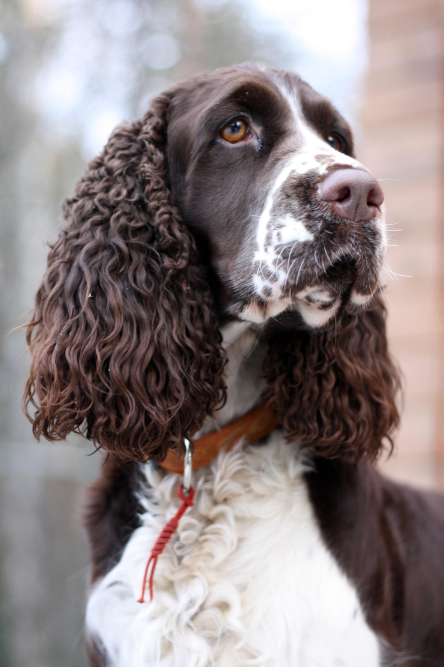
The history of the English Springer Spaniel is a rich tapestry of evolution, rooted in centuries of selective breeding and a steadfast commitment to preserving the breed’s exceptional hunting abilities and distinctive appearance. From its origins in the field as a working gundog to its rise as a beloved companion and show dog, the English Springer Spaniel’s history is a testament to the enduring allure and versatility of this esteemed breed. In this article, we will delve into the origins, development, and enduring legacy of the English Springer Spaniel, shedding light on the remarkable journey that has shaped this iconic breed.
Table of Contents
- Origins and Breed Development
- Historical Role as a Hunting Companion
- Influence on Modern Breeding Standards
- Notable Contributions to Field Work and Agility Competitions
- Preservation of Breed Characteristics through Responsible Ownership
- Q&A
- To Wrap It Up
Origins and Breed Development
The English Springer Spaniel has a rich and fascinating history that dates back to at least the 19th century. The breed is believed to have originated in England, where it was developed as a versatile hunting dog with a keen sense of smell and a strong retrieving instinct. The breed’s name is derived from its ability to “spring” or flush game out of hiding, making it an essential companion for hunters.
The development of the English Springer Spaniel as a distinct breed is believed to have started in the early 20th century, with the establishment of breed standards and the formation of dedicated breeding programs. The breed was officially recognized by the American Kennel Club in 1910, solidifying its status as a popular and respected breed in the United States. Through careful breeding and selection, the English Springer Spaniel has evolved into the beloved companion and working dog we know today, admired for its intelligence, athleticism, and friendly disposition.
| Temperament | Friendly, intelligent, and eager to please |
| Lifespan | 10-14 years |
| Height | 19-20 inches (male), 18-19 inches (female) |
| Weight | 40-50 pounds (male), 35-45 pounds (female) |
Historical Role as a Hunting Companion
The English Springer Spaniel has a rich history as a hunting companion, dating back to at least the 16th century. This breed was originally developed in England as a versatile gun dog, capable of flushing and retrieving game in all types of terrain. Their keen sense of smell and boundless energy made them an ideal partner for hunters, especially those seeking game birds like pheasants and grouse. As a result, the English Springer Spaniel quickly gained a reputation as an indispensable asset in the field.
One of the key historical roles of the English Springer Spaniel was its ability to work closely with hunters, using its exceptional sense of smell to seek out game and flush it into the open. This made them particularly well-suited for hunting in dense brush or wooded areas, where their agility and stamina allowed them to navigate challenging terrain with ease. In addition to their hunting abilities, English Springer Spaniels also served as loyal companions to their owners, forming strong bonds with their human counterparts both in the field and at home. This combination of hunting prowess and unwavering loyalty cemented the breed’s place in history as a beloved and indispensable hunting companion.
English Springer Spaniels also played a vital role in the evolution of hunting techniques, as their skills and instincts helped to shape the way hunters worked with their canine partners. Over time, the breed’s intelligence and adaptability made them valuable assets in various hunting activities, from flushing and retrieving game to tracking and trailing wounded animals. Their versatility, coupled with their unwavering dedication to their human companions, ensured that English Springer Spaniels would remain a fixture in the hunting world for generations to come.
Influence on Modern Breeding Standards
The history of the English Springer Spaniel has had a significant for this beloved breed. Originally developed as a hunting dog, the English Springer Spaniel has a rich history that dates back to at least the 16th century. As a result, the breed has undergone significant changes over the years, both in terms of physical characteristics and temperament. These changes have shaped the modern breeding standards for the English Springer Spaniel, ensuring that the breed maintains its distinctive qualities while also adapting to the needs of modern day dog owners.
One of the key influences on modern breeding standards for the English Springer Spaniel is its original purpose as a hunting dog. The breed was specifically developed to excel in the field, with a keen sense of smell, strong retrieving instincts, and an energetic, tireless nature. As a result, modern breeding standards place a strong emphasis on preserving these qualities, ensuring that English Springer Spaniels continue to excel as working dogs. Additionally, the breed’s close association with the British nobility and its popularity as a companion animal have also played a role in shaping breeding standards, with an emphasis on maintaining the breed’s friendly, affectionate, and loyal temperament.
In summary, the history of the English Springer Spaniel has had a profound impact on modern breeding standards, shaping the physical and behavioral characteristics that are valued in the breed today. By understanding the breed’s origins and evolution, breeders can ensure that the English Springer Spaniel continues to thrive and adapt to the changing needs of dog owners, while staying true to its rich heritage.
Notable Contributions to Field Work and Agility Competitions
English Springer Spaniels have made throughout their history. Their strong hunting instincts and agile bodies make them well-suited for these types of competitions. In field work, English Springer Spaniels are known for their ability to flush and retrieve game, making them valuable assets to hunters. Their high energy levels and intelligence also make them excellent candidates for agility competitions, where they can showcase their speed, agility, and obedience.
In field work, English Springer Spaniels have excelled in activities such as:
– Flushing game birds
– Retrieving downed game
– Covering a large area in search of game
In agility competitions, English Springer Spaniels have demonstrated their skills in:
– Speed and agility in navigating obstacle courses
– Obedience and responsiveness to commands
- Coordination and balance while navigating challenging obstacles
Overall, English Springer Spaniels have left a lasting impression in the field work and agility competition arenas, showcasing their natural abilities and strong work ethic. Their contributions to these activities have solidified their reputation as versatile and skilled working dogs.
Preservation of Breed Characteristics through Responsible Ownership
English springer spaniels have a rich history that dates back to the 14th century in England. Originally bred as hunting dogs, they were prized for their ability to spring or flush game into the open for hunters to capture. Over the centuries, the breed’s characteristics, including their intelligence, agility, and friendly disposition, have been carefully preserved through responsible ownership.
One of the key factors in maintaining the breed’s original characteristics is responsible breeding practices. Breeders carefully select mating pairs to ensure that desirable traits are passed down to future generations. Additionally, responsible ownership plays a crucial role in preserving the breed’s characteristics. This includes providing proper training, socialization, and healthcare to ensure that English springer spaniels remain true to their original form.
- Responsible breeding practices
- Proper training and socialization
- Healthcare and nutrition
By upholding these standards, owners and breeders can contribute to the preservation of the English springer spaniel’s unique traits and ensure that the breed continues to thrive for generations to come.
Q&A
Q: What is the origin of the English Springer Spaniel breed?
A: The English Springer Spaniel breed originated in England and was originally bred as a hunting dog, specifically for retrieving game birds.
Q: How far back does the history of the English Springer Spaniel breed go?
A: The breed’s history can be traced back to the 16th century, making it one of the oldest spaniel breeds.
Q: How were English Springer Spaniels traditionally used in hunting?
A: English Springer Spaniels were used to ”spring” game, flushing out birds and other small game from their hiding spots for the hunters to take aim at.
Q: When did the English Springer Spaniel become recognized as a distinct breed?
A: The English Springer Spaniel was officially recognized as a distinct breed by the English Kennel Club in 1902, and by the American Kennel Club in 1910.
Q: How did the breed’s role in hunting evolve over time?
A: While the English Springer Spaniel’s hunting skills remained highly valued, the breed also became popular as a family pet and show dog in the 20th century.
Q: What are some notable characteristics of the English Springer Spaniel breed?
A: The breed is known for its intelligence, agility, and affectionate nature. They also have a distinctively playful and lively personality.
Q: What are some popular misconceptions about the English Springer Spaniel breed?
A: One common misconception is that they are high-strung or hyperactive, when in fact they are highly trainable and adaptable when given proper exercise and training. Another misconception is that they are only suitable for hunting, when they also make excellent companion animals.
To Wrap It Up
In conclusion, the history of the English Springer Spaniel is a testament to the breed’s versatility, intelligence, and adaptability. From its origins as a hunting companion to its role as a beloved family pet, the English Springer Spaniel has carved out a special place in the hearts of dog enthusiasts around the world. The breed’s rich history is a reflection of its enduring appeal, and its future looks just as promising. As we continue to celebrate and cherish the English Springer Spaniel, we can be confident in its enduring legacy for generations to come.
Auto Amazon Links: No products found.

