



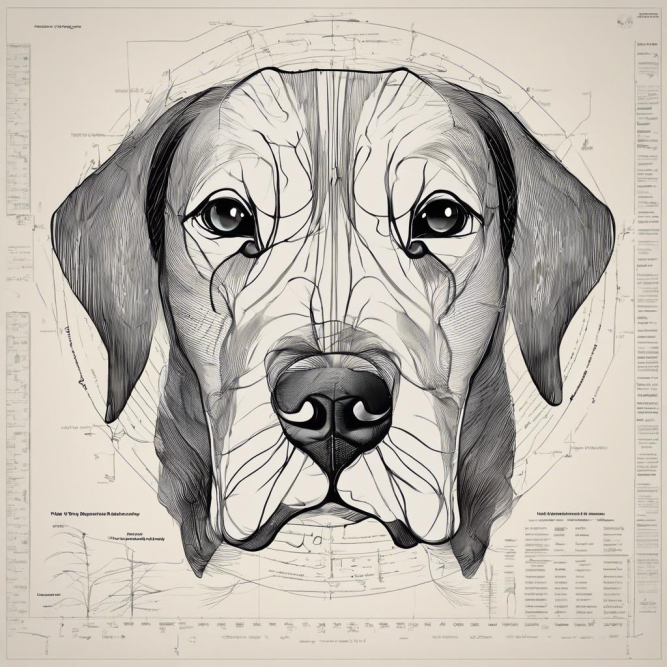
The purpose of canine whiskers has long been a subject of scientific inquiry, as their function and significance in a dog’s sensory perception remain enigmatic. Despite their apparent prominence, the specific role of dog whiskers in their daily activities and overall behavior has yet to be fully understood. In this article, we delve into the intriguing world of dog whiskers, exploring their anatomical features, sensory capabilities, and evolutionary implications to unravel the ultimate purpose they serve in the lives of our beloved canine companions.
Table of Contents
- What Are Dog Whiskers and Their Anatomy?
- The Function of Dog Whiskers and Their Sensory Role
- The Importance of Dog Whiskers for Spatial Awareness and Detection
- Different Types of Whiskers in Dogs and Their Specialized Functions
- How Dog Whiskers Aid in Communication and Social Interaction
- The Role of Dog Whiskers in Protecting the Eyes and Face
- Tips for Proper Care and Maintenance of Dog Whiskers
- Q&A
- Concluding Remarks
What Are Dog Whiskers and Their Anatomy?
Dog whiskers, also known as vibrissae, are specialized hairs that are found on a dog’s muzzle, above their eyes, and on their chin. These whiskers are rooted deep within the dog’s skin and are packed with nerves, making them incredibly sensitive to touch and vibrations in the environment. Each whisker is connected to the dog’s nervous system, allowing them to serve as a vital sensory organ for the animal.
The anatomy of dog whiskers is fascinating. These thick, stiff hairs are deeply embedded in the dog’s body and are typically twice as thick as regular hairs. They are surrounded by a well-supplied network of nerves and blood vessels, allowing them to act as highly sensitive tactile receptors. This sensitivity helps the dog navigate their surroundings, detect changes in the air, and even track prey during hunting. In addition to their extraordinary sensitivity, dog whiskers are also rooted in hair follicles that are surrounded by a muscular sheath, allowing them to move independently of the dog’s body.
The Purpose of Dog Whiskers
Dog whiskers serve several important functions for the animal. They play a crucial role in helping the dog navigate their environment by providing sensory information about the objects around them. These whiskers can detect changes in the air currents, alerting the dog to the presence of nearby obstacles or even potential dangers. They also help the dog gauge the size and shape of objects, aiding in their overall spatial awareness. Furthermore, dog whiskers can also assist in communication among dogs, as they can pick up on the subtle movements of other dogs’ whiskers during social interactions. Overall, dog whiskers are a vital part of the animal’s sensory system, allowing them to navigate their world with precision and awareness.
The Function of Dog Whiskers and Their Sensory Role
Dog whiskers, also known as vibrissae, are specialized hairs that are longer and stiffer than the surrounding fur. They are deeply embedded in the dog’s muzzle and forehead and are packed with nerve endings, making them an incredibly sensitive and important sensory tool for dogs.
One of the main functions of dog whiskers is to aid in navigation and spatial awareness. When a dog’s whiskers come into contact with an object, they detect changes in the surrounding air currents, providing the dog with valuable information about the size, shape, and location of nearby objects. This sensory input helps dogs to navigate their environment, avoid obstacles, and maintain their balance, especially in low-light conditions.
In addition to aiding in navigation, dog whiskers also play a crucial role in communication and social interaction. When a dog is interacting with other animals or humans, their whiskers can pick up on subtle changes in air pressure and movement, helping them to interpret the emotions and intentions of those around them. This sensory input can be particularly helpful during social encounters, allowing dogs to gauge the mood of other animals and adjust their behavior accordingly. Overall, dog whiskers serve as a vital tool for sensory perception and play an essential role in a dog’s ability to navigate their environment and interact with others.
The Importance of Dog Whiskers for Spatial Awareness and Detection
Dog whiskers, also known as vibrissae, serve an important purpose in a dog’s spatial awareness and detection capabilities. These specialized sensory hairs are deeply rooted in the dog’s skin and are attached to a network of nerves, making them highly sensitive to changes in the environment. The importance of dog whiskers lies in their ability to provide essential information about the surrounding space, objects, and potential dangers.
The primary function of dog whiskers is to help them navigate their surroundings with precision and accuracy. When a dog moves in a dark or unfamiliar environment, their whiskers can detect obstacles or barriers, allowing them to adjust their movements accordingly. This tactile sensitivity is crucial for dogs, especially in low-light conditions where their vision may be limited. Additionally, dog whiskers aid in detecting subtle changes in air currents, alerting them to the presence of nearby objects or animals, enhancing their overall spatial awareness.
In addition to spatial awareness, dog whiskers also play a vital role in detection and hunting. These specialized hairs can pick up vibrations and movements in the air, helping dogs to locate prey or potential threats. The sensory information gathered by their whiskers helps dogs to assess the size, shape, and distance of objects in their environment, giving them a distinct advantage in their hunting and survival instincts. Overall, the importance of dog whiskers cannot be understated, as they are a crucial component of a dog’s sensory system, enabling them to navigate, detect, and thrive in their surroundings.
Different Types of Whiskers in Dogs and Their Specialized Functions
Whiskers, also known as vibrissae, are specialized hairs that are found on various parts of a dog’s body, including the muzzle, above the eyes, and on the chin. These whiskers are deeply rooted in the dog’s skin and are connected to sensitive nerve endings, making them highly specialized sensory organs. There are different types of whiskers in dogs, each with its own unique function.
Mystacial Whiskers: These are the most prominent whiskers and are located on the upper lip, cheeks, and muzzle. They are the longest and thickest of all the whiskers and play a crucial role in helping dogs navigate their surroundings. The mystacial whiskers can detect changes in air currents and help dogs determine the size, shape, and texture of objects in their environment.
Superciliary Whiskers: Also known as the brow whiskers, these are located above the eyes and function similarly to the mystacial whiskers. They help dogs detect obstacles and navigate through low-light conditions, especially when their vision may be compromised.
Genal Whiskers: These are the whiskers located on the cheeks and are responsible for detecting close-range tactile sensations, such as the presence of another animal or object in the immediate vicinity.
The specialized functions of these whiskers help dogs gain a better understanding of their environment, enhance their ability to hunt and forage, and improve their overall spatial awareness. It is essential for dog owners to understand the significance of their pet’s whiskers and ensure that they are not trimmed or removed, as they play a vital role in their sensory perception and overall well-being.
How Dog Whiskers Aid in Communication and Social Interaction
Dog whiskers, also known as vibrissae, are more than just cute little hairs on a dog’s face. These specialized, long, and stiff hairs play a crucial role in a dog’s communication and social interaction. Dog whiskers are a valuable sensory tool and can provide us with insight into a dog’s world.
One of the primary purposes of dog whiskers is to act as a tactile sensor. Dog whiskers are deeply rooted in the dog’s hair follicles which are surrounded by a rich nerve supply. This allows them to detect even the slightest changes in the environment, such as shifts in air currents, proximity to objects, or even subtle changes in temperature. Much like a blind person navigating their surroundings using a cane, dogs use their whiskers to better understand their environment, aiding in spatial awareness and helping to prevent collisions or accidents.
Moreover, dog whiskers also serve as an important communication tool. During social interactions, dog whiskers can convey a lot of information to other dogs. When a dog is feeling threatened or anxious, their whiskers may be pulled back closer to their face, indicating a state of unease. On the other hand, if a dog is feeling relaxed and comfortable, their whiskers may be more relaxed and positioned outward. This subtle body language can help other dogs understand the emotional state of their peers, allowing for better social interactions and possibly avoiding conflicts.
The Role of Dog Whiskers in Protecting the Eyes and Face
Dog whiskers serve an important sensory function for dogs, and they play a crucial role in protecting the eyes and face. These specialized hairs, also known as vibrissae, are embedded deep within the skin and are surrounded by nerve endings, making them highly sensitive to even the slightest touch or movement. Their strategic placement around the eyes and muzzle allows them to detect changes in air currents and objects close to the face, helping dogs navigate their surroundings with precision and agility.
One of the primary functions of dog whiskers is to protect the eyes and face from potential threats and injuries. When a foreign object or predator approaches, the whiskers detect the change in air movement, alerting the dog to the potential danger. This early warning system helps dogs avoid collisions and navigate through low-light environments, ultimately preventing potential harm to their sensitive eyes and face. In addition, dog whiskers also assist in determining the size and shape of objects in the environment, providing vital information to the dog about its surroundings.
Overall, dog whiskers play a vital role in safeguarding the eyes and face of dogs, allowing them to navigate their environment safely and effectively. By understanding the purpose and function of dog whiskers, pet owners and researchers can gain a deeper appreciation for the remarkable sensory abilities of these loyal companions.
Tips for Proper Care and Maintenance of Dog Whiskers
Dogs are equipped with specialized facial hair known as whiskers, which serve important sensory functions. Proper care and maintenance of these whiskers is essential to ensure your dog’s well-being and comfort. Here are some tips to help you understand the purpose of dog whiskers and how to care for them properly.
Purpose of Dog Whiskers:
- Sensory Function: Dog whiskers, also known as vibrissae, are deeply rooted in nerve endings and are extremely sensitive to touch. They act as a tactile sensor, helping dogs navigate their environment, especially in low-light situations.
- Body Language: Whiskers also play a role in communication and body language. When a dog is curious or alert, their whiskers may point forward. Conversely, when they are feeling threatened or fearful, their whiskers may be pulled back against their face.
Tips for Care and Maintenance:
- Avoid Trimming: It is important to avoid trimming or cutting your dog’s whiskers. They should be allowed to grow naturally to their full length to support their sensory function.
- Gentle Handling: When grooming or handling your dog, be gentle around their face to avoid damaging or breaking their whiskers, which can cause discomfort and disorientation.
- Regular Inspections: Periodically check your dog’s whiskers for any signs of damage, breakage, or inflammation. If you notice any issues, consult with a veterinarian for proper care and treatment.
Understanding the purpose of dog whiskers and providing proper care and maintenance is crucial for ensuring your dog’s overall well-being and sensory function. By following these tips, you can help your furry friend navigate their world comfortably and confidently.
Q&A
Q: What are dog whiskers and what is their purpose?
A: Dog whiskers, also known as vibrissae, are long, thick, and stiff hairs that are located on a dog’s muzzle, above their eyes, and on their chin. These specialized hairs are deeply embedded in the dog’s skin and are rich in nerve endings, making them highly sensitive to touch and vibrations in the environment. The primary purpose of dog whiskers is to help dogs navigate and understand their surroundings.
Q: How do dog whiskers help dogs navigate their surroundings?
A: Dog whiskers serve as a form of sensory tool for dogs. They are able to detect changes in their environment such as the presence of nearby objects, changes in air currents, and even the size of openings where their head can fit through. By utilizing their whiskers, dogs are able to gain a better understanding of their surroundings, which aids in their overall spatial awareness and helps to prevent collisions or accidents. Additionally, dog whiskers also assist dogs in hunting and foraging by providing them with valuable information about the size, shape, and texture of objects in their environment. This sensory information is crucial for a dog’s survival and ability to navigate their surroundings effectively.
In conclusion, dog whiskers play a vital role in helping dogs understand and navigate their environment. The sensitivity and specialized structure of these hairs provide dogs with valuable sensory information that allows them to move through their surroundings with confidence and accuracy.
Concluding Remarks
In conclusion, while the purpose of dog whiskers may not be fully understood, research suggests that they play a crucial role in helping dogs navigate their environment and protect themselves from potential dangers. Their sensitivity to touch and vibrations may assist dogs in making quick and precise movements, allowing them to better understand their surroundings. Further research is needed to fully understand the complex function of dog whiskers, but it is clear that they serve an important purpose in a dog’s sensory system. As our understanding of canine physiology continues to evolve, it is likely that we will gain deeper insights into the role of dog whiskers and their significance in a dog’s everyday life.
Auto Amazon Links: No products found.

