



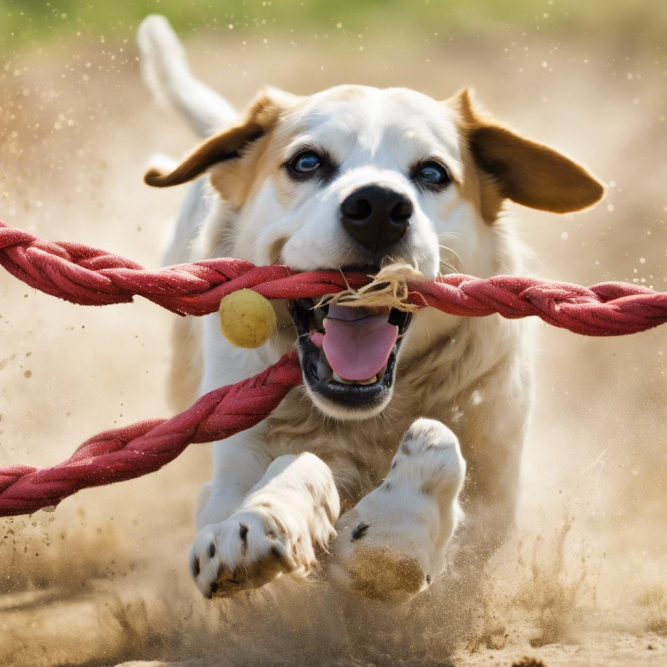
In recent years, the concept of playing tug-of-war with dogs has gained attention as a potentially beneficial activity for both physical and mental stimulation. This article discusses the current research on the topic and explores the potential effects of tug-of-war on dogs’ behavior, cognition, and overall well-being. Through a scientific lens, we aim to provide a comprehensive understanding of the implications of engaging in this popular game with our canine companions.
Table of Contents
- Exercise Benefits of Tug of War with Your Dog
- Understanding Canine Behavior During Tug of War
- Potential Risks and Precautions for Tug of War
- Best Practices for Engaging in Tug of War with Your Dog
- Impact of Tug of War on Canine Bonding and Training
- Choosing the Right Tug Toy for Your Dog
- Effective Communication and Leadership in Tug of War
- Balancing Playfulness and Discipline in Tug of War
- Q&A
- The Conclusion
Exercise Benefits of Tug of War with Your Dog
Engaging in a game of tug of war with your dog can provide a range of exercise benefits for both you and your furry friend. This interactive activity not only strengthens the bond between you and your pet but also offers physical and mental stimulation for your dog. Here are some of the exercise benefits of playing tug of war with your dog:
1. Physical Exercise
During a game of tug of war, both you and your dog engage in physical exertion. Pulling and tugging on the rope or toy can help improve your dog’s strength and endurance. Additionally, as you move around and interact with your dog, you also get a workout, making it a beneficial activity for both parties involved.
2. Mental Stimulation
Tug of war requires your dog to use its problem-solving skills, as they strategize and attempt to win the game. This mental stimulation is beneficial for your dog’s cognitive development and can help prevent boredom. It also provides an opportunity for you to practice obedience training with your dog, as you can teach them commands such as “drop it” and “take it” during the game.
3. Bonding and Socialization
Playing tug of war with your dog is a great way to strengthen the bond between the two of you. It allows for positive interaction and communication, which is essential for building a strong relationship with your pet. Additionally, it can also be a social activity if you play with your dog in a park or a dog-friendly area, providing an opportunity for your dog to interact with other canine friends.
Understanding Canine Behavior During Tug of War
Canine behavior during tug of war is a fascinating subject that reveals insights into the natural instincts and communication patterns of dogs. This interactive game has been a source of enjoyment for dogs and their owners for centuries, but it’s important to understand the dynamics at play to ensure a positive experience for everyone involved. By delving into the behavioral cues and signals exhibited by dogs during tug of war, we can gain a deeper understanding of their social interactions and emotional responses.
One of the most crucial aspects of is recognizing the body language and vocalizations that dogs use to communicate their intentions. When engaged in the game, dogs may exhibit a combination of play bows, wagging tails, and bouncy movements to convey their excitement and willingness to participate. Additionally, they may emit playful growls and barks, which should be distinguished from aggressive or defensive vocalizations. Prolonged and extensive research studies have shown that dogs rely on a variety of signals to express their emotions, and it’s essential for owners to interpret these cues accurately.
Moreover, the dynamics of tug of war can also shed light on the hierarchical structure within a group of dogs. The game provides an opportunity for dogs to establish and reinforce their social rank, as they instinctively strive for possession of the toy or object. Through observing their behavior during these interactions, owners can gain valuable insights into how their dogs perceive and navigate social dynamics. By understanding the behavioral nuances at play, owners can create a safe and enjoyable environment for their dogs to engage in tug of war, promoting a strong bond and positive mental stimulation.
Potential Risks and Precautions for Tug of War
When engaging in a tug of war with your dog, it’s important to be aware of the potential risks involved and take necessary precautions to ensure the safety of both the dog and the people involved.
Potential Risks:
- Strain or injury to the dog’s neck or back
- Accidental biting if the dog gets overexcited
- Risk of the dog becoming possessive or aggressive over the toy
- Potential for the handler to lose balance and fall
It’s essential to keep these risks in mind and take appropriate measures to minimize the likelihood of any harm coming to anyone involved in the game.
Precautions:
- Choose a suitable toy for the game, such as a rope toy designed for dogs
- Teach the dog a “drop it” or “release” command to prevent possession aggression
- Ensure the dog is in good physical condition and not prone to injuries
- Supervise the game and intervene if the dog shows signs of overexcitement or aggression
| Risk | Precaution |
| Strain or injury to the dog’s neck or back | Use a suitable toy and monitor the dog’s body language |
| Accidental biting if the dog gets overexcited | Teach the dog appropriate behavior during the game |
Best Practices for Engaging in Tug of War with Your Dog
Playing tug of war with your dog can be a fun and rewarding activity for both you and your furry friend. However, it’s important to follow best practices to ensure that the game remains safe and enjoyable for everyone involved. Here are some tips for engaging in tug of war with your dog:
Use the Right Equipment
It’s important to use the right equipment when playing tug of war with your dog. Ensure that you are using a sturdy, appropriate toy that is designed for this purpose. Avoid using items such as socks or clothing, as this can encourage your dog to chew on inappropriate items in the future.
Set Ground Rules
Before engaging in tug of war, it’s important to establish ground rules with your dog. Teach your dog a “drop it” or “release” command so that they know when to let go of the toy. This will help prevent any accidental nipping or biting during the game.
Be Mindful of Your Dog’s Size and Strength
When playing tug of war, be mindful of your dog’s size and strength. If you have a large dog or a particularly strong puller, it’s important to be cautious to avoid any injuries. Always supervise the game and ensure that it doesn’t become too rough or aggressive.
Reward Good Behavior
After a game of tug of war, be sure to reward your dog for their good behavior. This can help reinforce positive habits and make the game a positive experience for your furry friend.
Remember, playing tug of war with your dog should be a fun and interactive activity that strengthens the bond between you and your pet. By following these best practices, you can ensure that the game remains safe and enjoyable for both you and your dog.
Impact of Tug of War on Canine Bonding and Training
Understanding the
As a popular activity among dog owners, tug of war is often viewed as a fun game to play with our furry companions. However, its impact on canine bonding and training goes beyond just being a source of entertainment. Understanding the potential effects of tug of war on dogs is crucial for ensuring a harmonious and healthy relationship between pet and owner.
One of the most significant impacts of tug of war on canine bonding is the reinforcement of the human-dog bond. Engaging in a game of tug of war with your dog can strengthen the bond between the two of you. When playing, the dog sees the owner as a playmate, which can enhance the trust and connection between them. Additionally, a study published in the Journal of Applied Animal Behavior Science revealed that tug of war can also serve as a form of mental stimulation for dogs, leading to increased engagement and interaction with their owners.
On the other hand, when it comes to training, tug of war can be a valuable tool for teaching dogs impulse control and obedience. By incorporating rules and boundaries into the game, such as teaching the dog to “drop it” or “leave it” on command, owners can instill important training principles in a fun and engaging manner. Moreover, through the use of tug toys specifically designed for training purposes, owners can effectively channel the dog’s natural instincts and drives into positive behaviors, ultimately contributing to a well-trained and disciplined canine companion.
Choosing the Right Tug Toy for Your Dog
When it comes to playing with your dog, tug of war can be a fun and engaging activity. is important to ensure safety and enjoyment for both you and your furry friend. There are several factors to consider when selecting the perfect tug toy for your dog, including durability, size, and material.
Durability is key when it comes to choosing a tug toy for your dog. Look for toys made from strong, sturdy materials that can withstand the rough play and biting that often comes with tug of war. It’s important to choose a toy that won’t easily break or fray, as this can pose a choking hazard to your pup.
Size is another important factor to consider when choosing a tug toy for your dog. The toy should be appropriately sized for your dog’s breed and size to ensure that they can grip it comfortably. A toy that is too small may be difficult for your dog to hold onto, while a toy that is too large may be difficult for them to maneuver.
Additionally, consider the material of the tug toy. Look for toys made from non-toxic materials that are safe for your dog to chew on. Avoid toys with small parts or loose fibers that could potentially be ingested by your dog. Opt for materials like rubber, rope, or sturdy fabric that can withstand your dog’s chewing and tugging.
In summary, when , prioritize durability, size, and material to ensure a safe and enjoyable playtime for both you and your furry friend. By selecting a toy that is strong, appropriately sized, and made from safe materials, you can engage in a fun and stimulating game of tug of war with your dog while keeping them safe and happy.
Effective Communication and Leadership in Tug of War
Effective communication and leadership are crucial in any team-based activity, including tug of war with a dog. When engaging in this playful but physically demanding game, it’s important to communicate effectively with your team members and demonstrate strong leadership skills to ensure a successful outcome. Here are some key strategies for with a dog:
-
Clear Communication: Effective communication is essential in tug of war with a dog. Clearly communicate with your teammates, using simple and direct commands to coordinate your movements and maximize your strength and efforts. Whether it’s signaling when to pull or release the rope, or coordinating your movements to outmaneuver the opposing team, clear communication is key to success.
-
Positive Reinforcement: In addition to clear communication, positive reinforcement is also important in tug of war with a dog. Encourage and praise your teammates for their efforts, and maintain a positive attitude throughout the game. This will boost morale and motivation, leading to better teamwork and overall performance.
-
Leading by Example: As a leader in the tug of war with a dog, it’s important to lead by example. Demonstrate determination, resilience, and sportsmanship, setting the tone for your team members to follow. Lead by example both in terms of strength and strategy, showing your teammates the way to success through your actions.
In summary, effective communication and leadership are essential in tug of war with a dog. By employing clear communication, positive reinforcement, and leading by example, you can optimize your team’s performance and achieve victory in this fun and exciting game.
Balancing Playfulness and Discipline in Tug of War
When engaging in a game of tug of war with your dog, finding the balance between playfulness and discipline is crucial for a harmonious and enjoyable experience for both you and your furry friend. Tug of war is a natural instinct for dogs, as it mimics the same behavior they exhibit in the wild when they play and interact with their littermates and other dogs. It is a great form of physical and mental exercise for your dog, but it also requires boundaries and rules to ensure a safe and respectful game.
Playfulness: Tug of war is a fun and engaging activity for dogs, and it allows them to release their natural energy and instincts. It is important to approach the game with a playful and positive attitude, as this will create a sense of excitement and enjoyment for your dog. Encouraging playfulness during tug of war can strengthen the bond between you and your dog, and it can also be a great way to reinforce training commands and obedience.
Discipline: Setting boundaries and rules is essential when engaging in tug of war with your dog. It is important to establish clear signals and cues to start and stop the game, as well as teaching your dog to release the toy on command. This discipline will prevent the game from becoming too aggressive or out of control, and it will create a respectful and balanced dynamic between you and your dog. It is also crucial to ensure that the game doesn’t become too rough, as this could lead to potential injuries for both you and your dog.
Q&A
Q: What is tug of war with a dog and how is it played?
A: Tug of war with a dog is a game where a person and their canine companion pull on opposing ends of a rope or toy. The goal is for the dog to use their strength to pull the toy or rope away from the person. The game is typically played as a form of exercise and mental stimulation for the dog, as well as a bonding activity between the dog and their owner.
Q: Is tug of war with a dog safe?
A: Tug of war can be a safe and enjoyable activity for dogs when done correctly. It’s important to ensure that the dog is well-trained and responsive to commands, so they understand when to release the toy and when to play. Additionally, it’s essential to use a designated tug toy that is safe for the dog to chew on and won’t cause any harm. Overall, when played in a controlled and supervised manner, tug of war can be a fun and beneficial activity for dogs.
Q: What are the benefits of playing tug of war with a dog?
A: Tug of war can provide several benefits for dogs, including physical exercise, mental stimulation, and the opportunity to strengthen the bond between the dog and their owner. It can also help with their jaw and teeth health, as well as providing an outlet for their natural instincts to pull and tug. Additionally, research has shown that interactive games like tug of war can help reduce behavioral issues in dogs by providing an outlet for their energy and promoting a sense of achievement.
The Conclusion
In conclusion, our research has shed light on the age-old game of tug-of-war with dogs. While it is a common belief that this activity can encourage aggressive behavior in our canine companions, the evidence suggests otherwise. In fact, when played in a controlled and positive manner, tug-of-war can be a beneficial form of mental and physical stimulation for dogs.
It is important to note that proper training and supervision are essential when engaging in tug-of-war with your dog. Understanding your pet’s body language and setting boundaries is crucial to ensure a safe and enjoyable experience for both the dog and the owner.
Further research is needed to fully understand the impact of tug-of-war on a dog’s behavior and overall well-being. As our understanding of canine behavior continues to evolve, it is important for dog owners to stay informed and up to date on the best practices for interacting with their furry friends.
Overall, tug-of-war can be a fun and bonding activity for dogs and their owners, as long as it is approached with care, consideration, and respect for the well-being of the animal. Thank you for joining us on this exploration of tug-of-war with dogs.

