



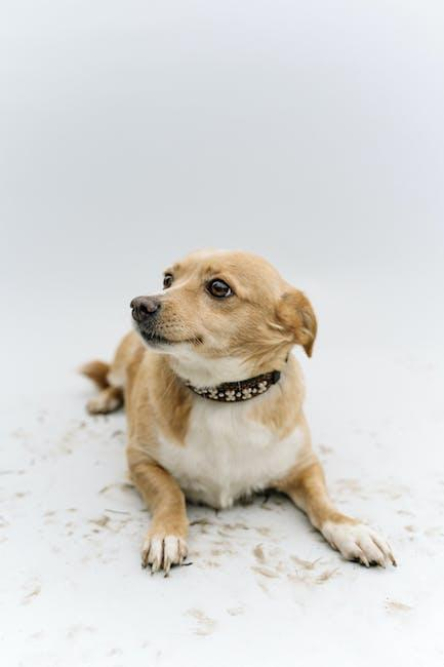
In the world of canine genetics, the term “mutt” is often used to refer to mixed-breed dogs whose lineage is not easily defined. While purebred dogs boast a long history of carefully curated traits and pedigrees, mutts are the delightful result of genetic diversity and variation. Understanding what truly makes a mutt dog unique requires a deeper exploration of their genetic makeup and the attributes that have shaped them into the beloved companions they are today. This article seeks to provide a comprehensive analysis of what defines a mutt dog and the inherent value they bring to the world of pet ownership.
Table of Contents
- Defining the Mutt Dog: An Overview of Mixed-Breed Canines
- The Genetic Composition of Mutt Dogs: Understanding Their Unique Background
- The Characteristics and Behavior of Mutt Dogs: What to Expect
- Health Considerations for Mutt Dogs: Care and Prevention Practices
- Finding Your Perfect Mutt Dog: Factors to Consider Before Adoption
- Q&A
- To Conclude
Defining the Mutt Dog: An Overview of Mixed-Breed Canines
When we talk about mutt dogs, we’re referring to mixed-breed canines that come from a combination of different breeds. These dogs are sometimes also referred to as crossbreeds or mongrels and are known for their unique and diverse genetic makeup. Mutt dogs can inherit a wide range of traits and characteristics from their various ancestors, making them one-of-a-kind pets with a lot to offer.
One of the defining features of mutt dogs is their unpredictability. Unlike purebred dogs, whose physical and behavioral traits are more consistent and predictable, mutt dogs can exhibit a wide range of appearances, sizes, and temperaments. This variability is often due to the combination of different genetic backgrounds, resulting in a dog that is truly one of a kind. Along with their unique traits, mutt dogs also tend to exhibit hybrid vigor, which can result in overall better health and longevity compared to purebred dogs.
The Genetic Composition of Mutt Dogs: Understanding Their Unique Background
Mutt dogs, also known as mixed breed dogs, are a fascinating combination of different genetic backgrounds. These dogs don’t belong to any specific breed and can have an incredibly diverse genetic composition, often with a blend of several different breeds. Understanding the genetic makeup of mutt dogs can provide valuable insights into their unique background and characteristics.
One of the most intriguing aspects of mutt dogs is the unpredictability of their genetic composition. While purebred dogs have specific breed standards and predictable traits, mutt dogs can exhibit a wide range of physical characteristics, temperaments, and health profiles. This diversity is a result of the combination of different breeds in their genetic makeup, which can lead to a truly one-of-a-kind companion.
Research has shown that mutt dogs may actually have a lower risk of certain inherited health conditions compared to purebred dogs. This is due to the genetic diversity they inherit from their mixed heritage. Additionally, mutt dogs often exhibit a wonderful blend of traits from their various ancestral breeds, making them unique and lovable companions. Embracing and understanding the genetic composition of mutt dogs can lead to a deeper appreciation for the individuality and resilience of these remarkable animals.
The Characteristics and Behavior of Mutt Dogs: What to Expect
When looking to welcome a furry friend into your home, it’s essential to understand the characteristics and behavior of mutt dogs. Mutt dogs, also known as mixed-breed dogs, are a blend of different breeds, resulting in a unique combination of traits and characteristics. Here’s what you can expect when bringing a mutt dog into your home:
1. Adaptability
Mutt dogs are known for their adaptability. Their diverse genetic makeup often results in a dog that can adjust to various environments and living situations. Whether you live in a bustling city or a quiet countryside, a mutt dog can thrive and adapt to their surroundings.
2. Temperament
Due to their mixed heritage, mutt dogs can have a wide range of temperaments. This means that no two mutt dogs are exactly alike. Some may be more laid-back and easygoing, while others may be energetic and playful. It’s essential to spend time getting to know the individual temperament of your mutt dog and cater to their specific needs.
3. Health and Longevity
One of the potential benefits of owning a mutt dog is their overall health and longevity. Mixed-breed dogs often have a lower risk of genetic health issues that can be common in purebred dogs. This can lead to a longer and healthier life for your furry companion.
Health Considerations for Mutt Dogs: Care and Prevention Practices
Mutt dogs, also known as mixed breed dogs, are a combination of two or more different dog breeds. This unique mix of genetics can lead to a wide variety of personalities, sizes, and health considerations. While mutts are often known for their resilience and hardiness, there are still important health considerations to keep in mind when caring for these special pets.
When it comes to caring for mutt dogs, prevention is key. Regular veterinary check-ups, a balanced diet, and plenty of exercise are all essential components of maintaining your mutt’s health. Additionally, staying up to date on vaccinations and preventative medications can help protect mutts from common health issues. It’s also important to be mindful of your mutt’s specific breed mix and any breed-specific health concerns that may arise.
Finding Your Perfect Mutt Dog: Factors to Consider Before Adoption
When it comes to finding the perfect mutt dog for adoption, there are several important factors to consider. Mutt dogs, also known as mixed breed dogs, are a combination of two or more different breeds. They come in all shapes, sizes, and personalities, making them unique and special in their own way. Before adopting a mutt dog, it’s crucial to take various factors into account to ensure that you find the best fit for your lifestyle and preferences.
One of the first things to consider when searching for the perfect mutt dog is the size of the dog. Determine whether you are looking for a small, medium, or large-sized dog that will be well-suited to your living space and activity level. Additionally, consider the dog’s energy level and exercise needs. Some mutt dogs may be high-energy and require a lot of physical activity, while others may be more laid-back and low maintenance. It’s essential to find a mutt dog whose energy level aligns with your own to ensure a harmonious relationship. Furthermore, it’s important to take into consideration the dog’s temperament, grooming needs, and any specific health concerns associated with certain breeds that make up the mutt dog. By carefully evaluating these factors, you can increase the likelihood of finding the perfect mutt dog for adoption that will bring joy and fulfillment to your life.
Q&A
Q: What is a mutt dog?
A: A mutt dog, also known as a mixed-breed dog, is a canine that does not belong to any specific breed and has a genetic combination of various breeds.
Q: How are mutt dogs different from purebred dogs?
A: Mutt dogs differ from purebred dogs in that their genetic makeup is a mix of multiple breeds, whereas purebred dogs have a consistently uniform genetic lineage within a specific breed.
Q: Are mutt dogs considered to be healthier than purebred dogs?
A: Mutt dogs are often believed to be healthier than purebred dogs because they have a more diverse genetic background, which can reduce the risk of inherited genetic disorders.
Q: Do mutt dogs have specific behavioral traits?
A: Mutt dogs may exhibit a diverse range of behavioral traits based on the different breeds in their genetic makeup. They may inherit characteristics from various breeds, making it challenging to predict their behavior.
Q: Are mutt dogs suitable as pets?
A: Mutt dogs make wonderful pets and can be just as loving, loyal, and intelligent as purebred dogs. Their unique mix of traits and characteristics can make them well-suited for various lifestyles and living situations.
Q: Can mutt dogs participate in dog shows or competitions?
A: Mutt dogs can participate in certain dog shows and competitions that are specifically designed for mixed-breed dogs. These events celebrate the uniqueness and diversity of mutt dogs.
To Conclude
In conclusion, the term “mutt” refers to a mixed-breed dog with ancestry from multiple breeds. While purebred dogs have their own unique characteristics and traits, mutts can embody a diverse range of physical and behavioral features that make them truly unique and one-of-a-kind. Despite the lack of pedigree, mutts often exhibit a charming blend of attributes that can make them wonderful pets and beloved companions. Embracing the diversity and individuality of mutts can help us appreciate the beauty of mixed-breed dogs and the valuable contributions they make to the world of canine companionship.

