



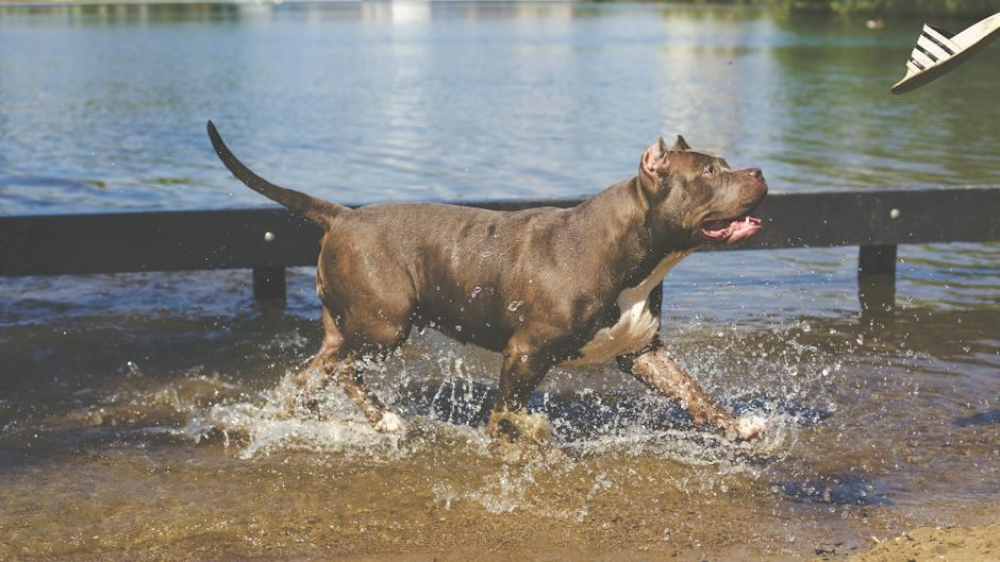
Teething is a natural and necessary process for pitbull puppies, but it can also bring about a range of discomforts and behavioral changes. Understanding the symptoms of pitbull teething can help owners provide the appropriate care and support for their young pets. In this article, we will delve into the various signs and symptoms of pitbull teething, and provide valuable insights for pet owners to navigate this crucial developmental stage with ease.
Table of Contents
- Understanding Pitbull Teething Symptoms
- Identifying Common Signs of Teething in Pitbulls
- Managing Discomfort and Pain During Pitbull Teething
- Helpful Tips for Soothing a Teething Pitbull Puppy
- Q&A
- Wrapping Up
Understanding Pitbull Teething Symptoms
Pitbull Teething Symptoms
Teething is a natural and necessary process for all puppies, including pitbulls. While it can be a challenging time for both the puppy and its owner, understanding the signs and symptoms of teething can help make the process more manageable. Here are some common pitbull teething symptoms to look out for:
- Excessive Drooling: One of the most noticeable signs of teething in pitbulls is increased drooling. This is a result of the excessive production of saliva as the puppy’s new teeth begin to emerge.
- Chewing and Gnawing: As their gums become inflamed and painful, pitbull puppies may start to chew and gnaw on anything they can get their paws on. Providing appropriate chew toys can help alleviate their discomfort.
- Irritability: Teething can be uncomfortable for pitbull puppies, leading to irritability and restlessness. They may also be more prone to biting or nipping during this time.
Additionally, some pitbulls may experience a slight decrease in appetite or even mild bleeding or swelling of the gums. It’s essential to monitor your puppy closely during this stage and provide them with the necessary care and attention to ensure a smooth teething process. If you have any concerns about your pitbull’s teething symptoms, don’t hesitate to consult with a veterinarian for guidance and support.
Identifying Common Signs of Teething in Pitbulls
Teething is a natural process that all Pitbull puppies go through as they grow and develop. It’s important for pet owners to be aware of the common signs of teething in their Pitbulls so they can provide the necessary care and support during this phase. Here are some of the most common symptoms that indicate your Pitbull is teething:
**Excessive chewing**: If you notice your Pitbull puppy is constantly chewing on things, it could be a sign that they are teething. This is their way of relieving the discomfort and pain in their gums caused by the new teeth coming in.
**Irritability**: Teething can be a painful experience for Pitbull puppies, and it can make them irritable and more prone to mood swings. If your puppy seems more irritable than usual, it could be a sign that they are teething.
**Drooling**: Teething can stimulate the production of saliva in Pitbull puppies, leading to excessive drooling. If you notice your puppy drooling more than usual, it could be a sign that they are teething.
In addition to these common signs, you may also notice that your Pitbull puppy has swollen or inflamed gums, is more reluctant to eat hard food, or has a slight increase in body temperature. It’s important to provide your puppy with appropriate chew toys and teething relief options to help alleviate their discomfort during this phase. By being aware of the signs of teething in Pitbulls, pet owners can better understand and support their puppies during this natural and inevitable process.
Managing Discomfort and Pain During Pitbull Teething
When it comes to pitbull teething, it’s essential for pet owners to understand how to manage discomfort and pain during this natural process. Pitbull puppies typically start teething around 3 to 4 months of age, and this stage can be quite uncomfortable for them. As responsible pet owners, it’s crucial to be prepared and take steps to help alleviate your pitbull’s discomfort during this time.
To manage discomfort and pain during pitbull teething, consider the following tips:
– Provide appropriate teething toys: Offering your pitbull suitable teething toys can help soothe their gums and provide relief from discomfort. Look for toys specifically designed for teething puppies, such as rubber toys or durable chew toys.
– Keep their toys and chews cold: Chilling your pitbull’s teething toys or chews in the refrigerator can provide an added level of relief by numbing their gums.
– Offer frozen treats: Frozen treats can also help alleviate discomfort during pitbull teething. Consider freezing some plain yogurt or banana slices to offer your puppy a cool and soothing snack.
is an essential part of caring for your growing puppy. By following these tips and providing the right resources, you can help your pitbull navigate this natural process more comfortably. Always consult with your veterinarian for additional advice or support.
| Veterinary consult | Always consult with your veterinarian for additional advice or support. |
Helpful Tips for Soothing a Teething Pitbull Puppy
Teething is a common and natural process that all puppies go through, including pitbulls. While it can be a challenging time for both the puppy and their owner, there are several . Understanding the teething process and knowing how to alleviate the symptoms can make the experience easier for everyone involved.
One of the most effective ways to soothe a teething pitbull puppy is to provide them with appropriate chew toys. Look for toys that are specifically designed for teething puppies, as they are softer and gentler on their gums. Additionally, freezing the toys or wetting them can provide extra relief. It’s important to regularly inspect the chew toys for signs of wear and tear to prevent any potential choking hazards.
Another helpful tip for soothing a teething pitbull puppy is to provide them with cold items to chew on. This can include frozen washcloths, ice cubes, or frozen fruits and vegetables. The cold temperature can help to numb their gums and reduce inflammation, providing them with some much-needed relief. However, it’s important to supervise the puppy while they are chewing on these items to ensure they don’t swallow anything they shouldn’t.
In addition to providing chew toys and cold items, it’s essential to maintain a consistent oral hygiene routine for teething pitbull puppies. Regularly brushing their teeth with a soft-bristled toothbrush and puppy-friendly toothpaste can help to alleviate discomfort and prevent any potential dental issues. By implementing these helpful tips, owners can effectively soothe a teething pitbull puppy and make the experience more manageable for both the puppy and themselves.
Q&A
Q: What are common symptoms of pitbull teething?
A: Common symptoms of pitbull teething include increased chewing behavior, irritation or discomfort in the mouth, drooling, and potential loss of appetite.
Q: How can I tell if my pitbull is experiencing teething discomfort?
A: A pitbull experiencing teething discomfort may exhibit excessive chewing, be reluctant to eat hard food, and may paw at their mouth frequently.
Q: What can I do to alleviate my pitbull’s teething discomfort?
A: To alleviate teething discomfort in pitbulls, provide them with appropriate chew toys and treats, offer cold or frozen items to chew on, or consult with a veterinarian for further advice or medication if necessary.
Q: Are there any potential complications associated with pitbull teething?
A: Complications associated with pitbull teething may include damaged or broken teeth, oral infections, and behavioral issues related to discomfort.
Q: When should I consult a veterinarian for my pitbull’s teething symptoms?
A: It is important to consult a veterinarian if your pitbull exhibits severe or prolonged teething discomfort, experiences excessive bleeding or swelling in the mouth, or shows signs of oral infection. Additionally, seek veterinary advice if your pitbull has not started teething by six months of age.
Wrapping Up
In conclusion, pitbull teething can be a challenging time for both the puppy and their owner. It is important to recognize the symptoms and provide appropriate care and treatment to alleviate discomfort and reduce the risk of destructive behavior. Understanding the signs of teething and implementing strategies to help alleviate pain and provide appropriate outlets for chewing can make the teething process more manageable for both the puppy and their owner. With proper care and attention, pitbull puppies can navigate through the teething phase and emerge with strong, healthy teeth and gums.

