



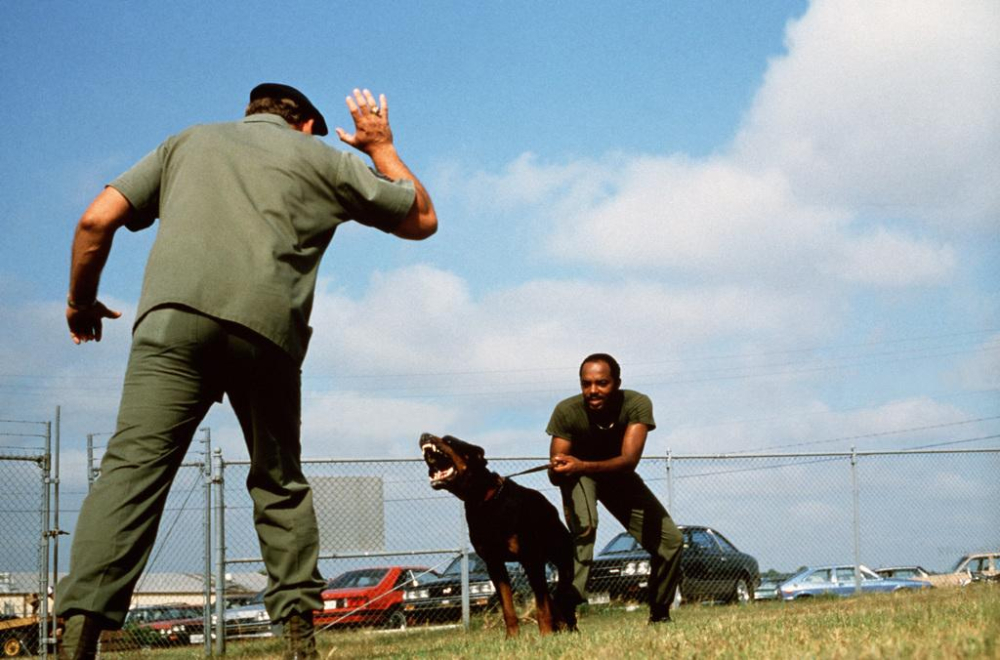
Training your dog to sit and stay is a fundamental skill that all dog owners should master. A well-behaved canine can bring joy and harmony to a household, but achieving obedience requires deliberate and consistent training. In this article, we will dissect the process of teaching your dog to sit and stay, outlining the methods and techniques necessary to successfully instill these commands in your canine companion. Whether you are a first-time dog owner or seeking to reinforce the training of a beloved pet, mastering these essential skills is key to building a strong and respectful relationship with your four-legged friend.
Table of Contents
- Understanding the Basics of Training Your Dog to Sit and Stay
- Effective Techniques for Teaching Your Dog to Sit and Stay
- The Importance of Consistency and Patience in Training
- Using Positive Reinforcement and Rewards to Reinforce Sit and Stay Commands
- Q&A
- To Wrap It Up
Understanding the Basics of Training Your Dog to Sit and Stay
Training your dog to sit and stay is an essential part of their obedience and behavior training. These commands are not only helpful for controlling your dog in various situations but also provide mental stimulation and reinforce the bond between you and your furry friend. can set the foundation for a well-behaved and disciplined pet.
When teaching your dog to sit, it is crucial to use positive reinforcement techniques. This can include using treats, praise, and gentle physical guidance. Consistency and patience are key when training your dog, and it is important to practice the sit command in various environments and situations to reinforce the behavior. Once your dog has mastered the sit command, you can move on to teaching them to stay. This command requires your dog to remain in the sitting position until released, and it is important for their safety and your control in different scenarios.
Effective Techniques for Teaching Your Dog to Sit and Stay
Teaching your dog to sit and stay is an essential part of their training. These commands are not only useful for controlling your pet’s behavior, but they also help to keep your dog safe in certain situations. To effectively teach your dog to sit and stay, it is important to use positive reinforcement and consistency. Here are some effective techniques to help you train your dog.
Firstly, it’s crucial to start training your dog in a quiet and familiar environment where there are minimal distractions. Use treats to encourage your dog to sit, and firmly say the command “sit” while gently pushing their backside towards the ground. Once your dog is sitting, reward them with a treat and praise. It’s important to be patient and repeat this process until your dog is consistently responding to the “sit” command.
After your dog has mastered the “sit” command, you can start teaching them to stay. Begin by making your dog sit, and then take a step back while holding your hand up in a stop signal. Use the command “stay” and wait a few seconds before returning to your dog and rewarding them with a treat. Gradually increase the distance and time your dog needs to stay before offering the reward.
Consistency is key when training your dog to sit and stay. It’s important to practice these commands regularly and to provide positive reinforcement every time your dog obeys. Always use a calm and assertive tone of voice, and never resort to punishment if your dog doesn’t obey immediately. With time and patience, your dog will learn to sit and stay on command, making them a well-behaved and obedient pet.
The Importance of Consistency and Patience in Training
Consistency and patience are key elements when it comes to training your dog to sit and stay. In order to effectively teach your furry friend these commands, it’s important to understand the significance of practicing them consistently and being patient throughout the process. Here’s why these two qualities are crucial for successful training:
Consistency
Consistency in training means using the same commands, gestures, and rewards every time you work with your dog. When you are consistent in your approach, your dog will learn to associate certain behaviors with specific commands. This helps to eliminate confusion and creates a clear understanding of what is expected during training sessions. Consistency also reinforces positive behavior while discouraging negative behavior, leading to a well-behaved and obedient pet.
Patience
Patience is particularly important when training your dog to sit and stay. It’s natural for dogs to take time to understand and obey commands, so it’s essential to remain patient and refrain from becoming frustrated during the process. Rushing through training or becoming agitated can have a negative impact on your dog’s willingness to learn and follow instructions. By staying patient, you are allowing your dog the time and space they need to grasp the concepts and develop the desired behaviors. Remember, training takes time, and patience is key to achieving successful results.
Using Positive Reinforcement and Rewards to Reinforce Sit and Stay Commands
Dog training can be a challenging task, but using positive reinforcement and rewards can make it much easier. When it comes to teaching your dog to sit and stay, it’s important to use positive reinforcement to encourage the behavior you want to see. By using rewards and praise, you can reinforce the sit and stay commands in a way that is both effective and enjoyable for your dog.
Positive reinforcement involves rewarding your dog for good behavior, such as sitting and staying on command. When your dog follows the sit and stay commands, be sure to praise them and offer them a treat or their favorite toy. This positive association will help your dog understand that sitting and staying on command is a good thing, and they will be more likely to repeat the behavior in the future. Consistency is key when using positive reinforcement, so be sure to reward your dog every time they follow the sit and stay commands.
It’s important to choose the right rewards for your dog when reinforcing sit and stay commands. Every dog is different, so be sure to choose rewards that are particularly enticing to your furry friend. Whether it’s a tasty treat, a favorite toy, or verbal praise, find out what motivates your dog the most and use it to reinforce the sit and stay commands. By using positive reinforcement and rewards, you can effectively train your dog to sit and stay on command in a way that is enjoyable for both you and your pet.
Q&A
Q: Why is it important to train your dog to sit and stay?
A: Training your dog to sit and stay is important for their safety and the safety of others. It helps to control their behavior and prevent them from running off or engaging in potentially dangerous actions.
Q: How can I effectively train my dog to sit and stay?
A: Consistent repetition and positive reinforcement are key. Start by using treats to encourage your dog to sit, then gradually introduce the command “stay” and reward them for remaining in place.
Q: What are common challenges when training a dog to sit and stay?
A: Some dogs may struggle with staying in place for an extended period of time, especially if they are easily distracted. It’s important to be patient and persistent in your training efforts.
Q: How can I address distractions when training my dog to sit and stay?
A: Gradually introduce distractions in your training sessions, such as other people or animals, to help your dog learn to remain focused on the command to sit and stay.
Q: How long does it usually take to train a dog to sit and stay?
A: The timeframe for training your dog to sit and stay can vary depending on their breed, age, and individual temperament. Consistent training and patience are key in achieving success.
To Wrap It Up
In conclusion, training your dog to sit and stay is an essential skill for any pet owner. It not only helps to establish your role as the leader in the relationship, but it also ensures the safety and well-being of your dog in various situations. By following the tips and techniques outlined in this article, you can effectively teach your dog to sit and stay on command. Remember to be patient, consistent, and always use positive reinforcement to encourage good behavior. With time and practice, your dog will master these commands and become a well-behaved and obedient companion. Keep in mind that every dog is unique, and some may require more time and effort to learn these skills, but with dedication and perseverance, you can achieve success. Happy training!
Auto Amazon Links: No products found.

