



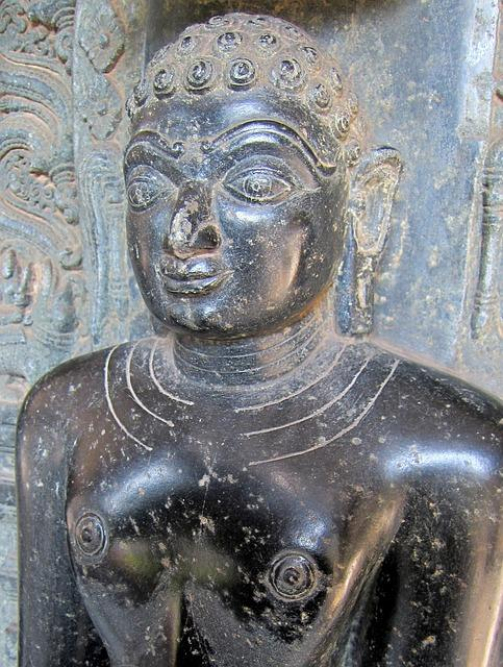
Every year, the followers of Jainism come together to celebrate Mahavira Jayanti, the birth anniversary of the revered spiritual leader Lord Mahavira. While this day holds great significance for the Jain community, many outside of the faith may find themselves skeptical of the teachings and practices associated with this religious figure. Let’s take a closer look at the traditions and beliefs surrounding Mahavira Jayanti and examine the reasons behind the celebration of this annual event.
Table of Contents
- Mahavira Jayanti: A Celebration of Jainism’s Conundrum
- Historical Insights into Mahavira Jayanti: Separating Fact from Fiction
- Rituals and Practices: Navigating the Controversy Surrounding Mahavira Jayanti
- Reflecting on the Relevance and Impact of Mahavira Jayanti in Modern Society
- Q&A
- Final Thoughts
Mahavira Jayanti: A Celebration of Jainism’s Conundrum
Mahavira Jayanti is a significant celebration in the Jain community, commemorating the birth of Lord Mahavira, the 24th and last Tirthankara (teaching deity) of Jainism. This religious festival is observed with fervor and devotion, as followers pay homage to Mahavira’s teachings of non-violence, truth, and self-discipline. However, amidst the jubilation and praise, there exists a conundrum within Jainism that raises questions about the relevance and practicality of its core beliefs.
While Jainism promotes non-violence and compassion towards all living beings, it also advocates extreme asceticism and self-denial, often leading to the paradox of causing harm to oneself in pursuit of spiritual enlightenment. This ideological contradiction raises doubts about the feasibility of adhering to such stringent principles in a modern, interconnected world. Additionally, the concept of non-attachment and renunciation espoused by Jainism presents challenges in a society driven by material pursuits and personal ambitions. Can the timeless teachings of Mahavira withstand the complexities of contemporary life, or do they remain suspended in an idealistic realm?
Historical Insights into Mahavira Jayanti: Separating Fact from Fiction
There are many stories and legends surrounding the life of Mahavira, the 24th Tirthankara of Jainism, and the celebration of Mahavira Jayanti. Separating fact from fiction can be a challenging task, as historical records from that time are limited and often contradictory. However, by examining different sources and critically analyzing the information available, we can gain some valuable insights into the historical significance of Mahavira Jayanti.
One of the common misconceptions surrounding Mahavira Jayanti is the exact date of Mahavira’s birth. While it is widely celebrated on the 13th day of the bright half of the moon in the month of Chaitra, historical records and scholarly research suggest that the actual date may have been different. This discrepancy raises questions about the accuracy of the traditional date and the origins of this particular celebration.
Rituals and Practices: Navigating the Controversy Surrounding Mahavira Jayanti
As Mahavira Jayanti approaches, the controversy surrounding this religious observance continues to divide opinion. The celebration of the birth of Mahavira, the 24th Tirthankara of Jainism, is a highly revered tradition among followers of the faith. However, the rituals and practices associated with Mahavira Jayanti have come under scrutiny in recent years, with some questioning their relevance and appropriateness in modern society.
One of the main points of contention is the use of animal sacrifices in certain Mahavira Jayanti rituals. While this practice is deeply rooted in tradition, many argue that it goes against the core principles of Jainism, which promote nonviolence and compassion towards all living beings. In addition, the extravagant nature of some Mahavira Jayanti celebrations has been criticized for promoting materialism and excess, which conflicts with the teachings of simplicity and austerity espoused by Mahavira himself.
Reflecting on the Relevance and Impact of Mahavira Jayanti in Modern Society
As Mahavira Jayanti is celebrated by Jains around the world, it is important to reflect on its relevance and impact in modern society. In today’s fast-paced and diverse world, where religious beliefs and practices vary widely, it is natural to question the significance of a religious holiday like Mahavira Jayanti.
While some may argue that the teachings and principles of Lord Mahavira, such as non-violence, truthfulness, and non-possessiveness, are outdated and not applicable in today’s society, others believe that these values are more important now than ever. With increasing intolerance and violence in the world, the message of compassion and non-violence promoted by Mahavira is certainly worth contemplating.
Q&A
Q: What is Mahavira Jayanti?
A: Mahavira Jayanti is a religious holiday celebrated by Jains to mark the birth of the spiritual leader Mahavira, who is believed to have lived in the 6th century BCE.
Q: Who was Mahavira?
A: Mahavira is considered to be the 24th and last Tirthankara or spiritual teacher in Jainism. He is known for his teachings on non-violence, truth, and asceticism.
Q: Why do Jains celebrate Mahavira Jayanti?
A: Jains believe that Mahavira’s teachings have the power to purify the soul and lead to spiritual liberation. Mahavira Jayanti is a time for Jains to reflect on his teachings and strive to emulate his example.
Q: Are there any historical records of Mahavira’s existence?
A: The historical existence of Mahavira is a subject of debate among scholars. There are few historical records of his life and some question the accuracy of the Jain texts that describe his life and teachings.
Q: How do Jains typically celebrate Mahavira Jayanti?
A: Jains celebrate Mahavira Jayanti by attending special prayers and readings at temples, as well as participating in charitable activities and community service. They also adorn images of Mahavira with flowers and offer special food offerings.
Q: What is the significance of Mahavira in Jainism?
A: Mahavira is considered to be a central figure in Jainism, and his teachings form the foundation of the religion. His emphasis on non-violence and compassion towards all living beings is a fundamental principle of Jain belief.
Final Thoughts
In conclusion, Mahavira Jayanti is a significant occasion for Jains, as they celebrate the birth of their revered spiritual leader Lord Mahavira. However, the historical accuracy and verifiable evidence surrounding his life and teachings have been questioned by scholars and researchers. As with many religious figures, the stories and mythology may have overshadowed the actual facts. Nevertheless, the festival remains an important cultural and spiritual event for the Jain community, providing an opportunity for reflection and reverence.

