



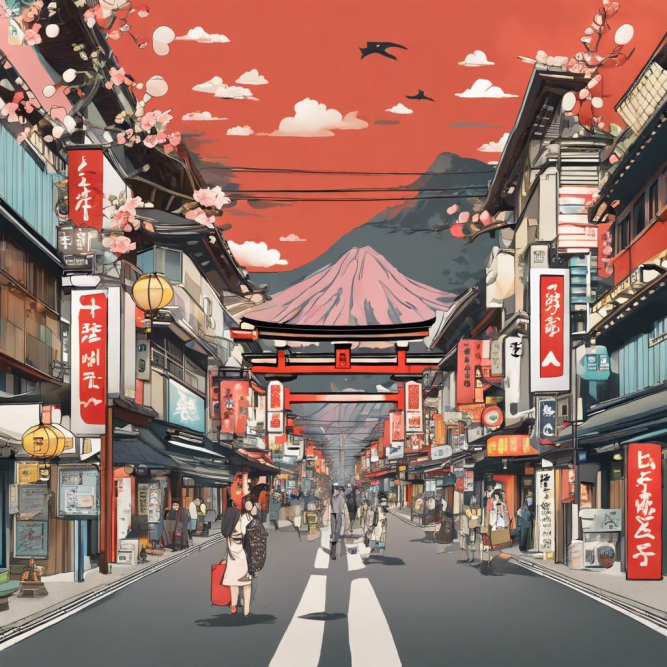
Planning a trip to Japan? Get ready to be captivated by the culture, cuisine, and stunning sights. But before you jet off to this intriguing country, it’s important to consider the cost. From transportation to accommodations to dining, the price tag for a trip to Japan can vary greatly. Let’s break down the expenses and help you plan a budget-friendly adventure in the land of the rising sun.
Table of Contents
- Best time to visit Japan
- Transportation costs in Japan
- Accommodation options in Japan
- Food and dining expenses in Japan
- Entertainment and sightseeing expenses
- Budgeting tips for a trip to Japan
- Hidden costs to consider
- Overall cost breakdown for a trip to Japan
- Q&A
- Insights and Conclusions
Best time to visit Japan
When considering the , it’s important to take into account several factors, including weather, festivals, and overall travel costs. Japan boasts four distinct seasons, each with its unique charms and drawbacks. Spring, from March to May, is prime cherry blossom season, making it a popular time for tourists. The weather is mild, and the country is alive with vibrant pink blooms. However, it’s also peak tourist season, so expect higher prices and larger crowds.
Summer, from June to August, brings with it hot and humid weather, but also a myriad of colorful festivals and events. Autumn, from September to November, offers cooler weather, stunning fall foliage, and fewer tourists. Winter, from December to February, sees lower temperatures, particularly in the northern areas, and the chance to experience iconic winter festivals like Sapporo Snow Festival. Consider these seasonal factors when planning your trip to Japan to ensure you have the best possible experience.
In addition to weather and festivals, the cost of a trip to Japan can vary depending on the time of year you choose to visit. To make the most of your budget, consider traveling during the shoulder seasons of spring and autumn when the weather is still pleasant but the tourist crowds and prices are lower. Keep in mind that accommodations and transportation costs may be higher during peak tourist seasons, so be sure to book in advance. It’s also worth considering the cost of flights, as airfare can fluctuate greatly depending on the time of year. By researching and comparing prices, you can find the best deals for your Japan adventure.
Transportation costs in Japan
The cost of transportation in Japan can vary depending on where you are traveling to and the mode of transportation you choose. From the bustling streets of Tokyo to the serene countryside, Japan offers a variety of transportation options to suit every traveler’s needs. Whether you prefer the convenience of the Shinkansen (bullet train), the efficiency of the subway, or the flexibility of renting a car, there are numerous ways to get around Japan.
When it comes to getting around the city, the subway system in Tokyo is an efficient and cost-effective way to travel. With a well-connected network of lines, you can easily reach all the major attractions and neighborhoods within the city. The cost of a single subway fare in Tokyo typically ranges from 160 to 320 yen, depending on the distance traveled. For longer distances, the Shinkansen provides a fast and comfortable way to travel between major cities. A one-way ticket from Tokyo to Kyoto, for example, can cost anywhere from 13,000 to 14,000 yen, but offers a time-saving alternative to traditional rail travel.
For those looking to explore the countryside, renting a car can provide the freedom and flexibility to travel at your own pace. Rental rates for a compact car in Japan typically start at around 6,000 yen per day, with additional costs for fuel and toll fees. However, driving in Japan can be a unique experience, as it requires an International Driving Permit and an understanding of local traffic laws. Overall, the cost of transportation in Japan can vary depending on your travel preferences, but there are plenty of options to explore this fascinating country.
| Transportation Mode | Average Cost (JPY) |
| Subway (Tokyo) | 160-320 yen |
| Shinkansen | 13,000-14,000 yen (Tokyo to Kyoto) |
| Rental Car | 6,000 yen per day |
Accommodation options in Japan
When it comes to planning a trip to Japan, finding suitable accommodation is an essential part of the process. Japan offers a wide range of accommodation options to suit every budget and preference. Whether you are looking for a luxury hotel, a traditional ryokan, a budget-friendly hostel, or a unique capsule hotel experience, Japan has it all.
Hotels: Japan boasts a plethora of international hotel chains, as well as local and boutique accommodations. From opulent five-star luxury hotels in the heart of Tokyo to cozy family-run inns in the countryside, there is something for everyone. With impeccable service and top-notch facilities, hotels in Japan provide a comfortable and convenient stay.
Ryokan: For a truly authentic Japanese experience, staying in a ryokan is a must. These traditional Japanese inns offer a glimpse into the country’s rich culture and heritage. Guests can expect to sleep on tatami mats, enjoy kaiseki meals, and relax in communal hot spring baths. Ryokans are usually found in scenic rural areas or hot spring resorts, providing a serene escape from the hustle and bustle of city life.
Hostels and Guesthouses: Budget travelers will appreciate the abundance of hostels and guesthouses scattered throughout Japan. These budget-friendly options offer dormitory-style accommodations, private rooms, and shared facilities. Hostels are a great way to meet fellow travelers and experience local hospitality without breaking the bank. Whether you’re exploring the vibrant streets of Osaka or hiking in the picturesque Japanese Alps, there are plenty of affordable options for backpackers and solo travelers.
Food and dining expenses in Japan
When planning a trip to Japan, it’s important to consider the cost of food and dining expenses. Japan is known for its diverse and delicious cuisine, but dining out can be quite expensive, especially in major cities like Tokyo and Kyoto. However, there are ways to enjoy Japanese food without breaking the bank.
One of the best ways to experience Japanese cuisine without spending a fortune is to explore the local street food scene. From savory yakitori skewers to sweet taiyaki pastries, there are plenty of affordable and delicious options available from street vendors. Additionally, visiting markets like Tsukiji Fish Market in Tokyo or Nishiki Market in Kyoto can provide a wide array of fresh and affordable food options.
Another budget-friendly dining option in Japan is to visit izakayas, which are casual Japanese pubs that offer a variety of small plates and drinks at reasonable prices. Many izakayas offer set menus or all-you-can-drink options, making them a great way to sample a variety of dishes without overspending. It’s important to note that many izakayas have a cover charge, so be sure to factor that into your dining budget.
Key expenses to consider for food and dining in Japan:
- Average cost of a meal at a mid-range restaurant: $12 – $25
- Street food and market snack budget: $5 – $10 per day
- Izakaya dining budget: $20 – $30 per person
Overall, while dining in Japan can be pricey, there are plenty of budget-friendly options available for travelers who want to experience the country’s delicious cuisine without emptying their wallets.
Entertainment and sightseeing expenses
When planning a trip to Japan, it’s essential to factor in . Japan offers a plethora of cultural experiences, beautiful landmarks, and exciting entertainment options that can enhance your travel experience. From traditional tea ceremonies and visits to historic temples to modern attractions like theme parks and entertainment districts, there is something for every traveler to enjoy.
One of the must-see attractions in Japan is the iconic Tokyo Disneyland, which offers a magical experience for visitors of all ages. The admission fee typically ranges from $70 to $100, depending on the time of year and any ongoing promotions. Another popular destination is the historic city of Kyoto, known for its stunning temples, serene gardens, and traditional tea houses. Visitors can expect to pay around $5 to $10 for admission to most temples and gardens, with some sites offering combination tickets for multiple attractions.
When it comes to in Japan, it’s important to budget for transportation as well. Japan has an efficient and extensive public transportation system, including trains, subways, and buses, which can make getting around the country quite convenient. A Japan Rail Pass, which allows unlimited travel on Japan Railways trains for a specific period, is a cost-effective option for travelers who plan to visit multiple cities. The pass typically ranges from $280 to $480 for a 7 to 21-day validity, depending on the type and duration of the pass. Additionally, visitors can also consider purchasing a Suica or Pasmo card, which are prepaid smart cards that can be used for transportation and even some purchases at convenience stores and vending machines. These cards typically require a refundable deposit of around $5 to $10, along with an initial value of $10 to $20, and offer the convenience of cashless travel throughout Japan.
Budgeting tips for a trip to Japan
Planning a trip to Japan can be an exciting yet daunting task, especially when it comes to budgeting. With its reputation for being an expensive travel destination, many people may feel discouraged from visiting this beautiful country. However, with proper planning and some budgeting tips, it is possible to enjoy a trip to Japan without breaking the bank.
Flexible Travel Dates: One of the best ways to save money on a trip to Japan is to be flexible with your travel dates. Avoid peak seasons such as cherry blossom or golden week, as accommodation and transportation prices tend to be significantly higher. Consider visiting during the shoulder seasons like autumn or late spring when the weather is still pleasant, and the prices are more budget-friendly.
Accommodation Options: Japan offers a wide range of accommodation options to suit every budget. Opt for budget-friendly guesthouses, capsule hotels, or Airbnb instead of luxury hotels. Additionally, consider staying in less touristy areas or smaller cities where prices tend to be lower. Another cost-saving option is to stay in a traditional ryokan, which not only provides accommodation but also an authentic cultural experience.
Food and Dining: While Japan is known for its exquisite and expensive dining experiences, there are plenty of affordable food options available. Explore local markets, convenience stores, and street food stalls for budget-friendly meals that won’t compromise on taste. Lastly, consider buying a Bento box from the local supermarkets or convenience stores, which offer a filling and economical meal option.
In summary, with careful planning, flexibility, and a bit of research, it is possible to enjoy a memorable trip to Japan without exceeding your budget. From accommodation to dining, there are various ways to save money while still experiencing the rich culture and beauty of this fascinating country.
Hidden costs to consider
When planning a trip to Japan, it’s important to factor in all the hidden costs that may not be immediately obvious. While the allure of Japan’s bustling cities, stunning landscapes, and rich history are enough to draw any traveler in, it’s crucial to be aware of the potential expenses you may encounter along the way. Below are some before embarking on your Japanese adventure.
Transportation: While Japan is known for its reliable and efficient public transportation system, the costs can quickly add up. In addition to the cost of getting to Japan, factor in the expense of traveling within the country. Shinkansen (bullet train) tickets, subway fares, and local buses can take a significant chunk out of your travel budget.
Accommodation: The cost of accommodation in Japan, particularly in major cities like Tokyo and Kyoto, can be quite high. Additionally, if you plan to stay in traditional ryokans or experience a night in a capsule hotel, be prepared for additional expenses.
Food and drinks: While Japanese cuisine is undoubtedly one of the highlights of any trip to Japan, dining out can be pricey. From traditional sushi and sashimi to street food and upscale restaurants, the cost of food and drinks can quickly add up. Be sure to budget accordingly to avoid any surprises.
In addition to these hidden costs, be mindful of potential expenses such as entry fees to attractions, travel insurance, and souvenir shopping. By planning ahead and budgeting for these hidden costs, you can ensure a stress-free and enjoyable trip to Japan.
Overall cost breakdown for a trip to Japan
When planning a trip to Japan, it’s essential to budget for all the expenses you might incur during your stay. From transportation and accommodation to food and entertainment, every aspect of your trip can add up, so it’s important to have a comprehensive cost breakdown to ensure that you’re financially prepared for your adventure in Japan.
Accommodation:
- Hotels: Prices vary depending on the city and the level of comfort you seek. A budget hotel can cost around $50-100 per night, while a luxury hotel can set you back $200-400 per night.
- Hostels: A more affordable option, especially for solo travelers, with prices ranging from $20-80 per night.
- Airbnb: A popular choice for those looking for a more homey and cost-effective accommodation, with prices similar to budget hotels.
Transportation:
- Flights: The cost of airfare to Japan depends on your departure location, the time of year, and how far in advance you book. Expect to pay anywhere from $800-1500 for a round-trip ticket.
- JR Pass: A cost-effective way to travel around Japan, a 7-day pass costs around $250 and provides unlimited travel on most JR trains.
Food and Drink:
- Dining out: On average, expect to pay around $10-20 for a meal at a budget restaurant, and $30-50 at a mid-range establishment.
- Street food: A more affordable option, with small snacks and meals costing anywhere from $3-10.
- Groceries: If you’re on a tight budget, consider buying groceries to cook your meals, with prices similar to those in Western countries.
Having a thorough understanding of the costs associated with a trip to Japan will help you plan ahead and ensure that you can fully enjoy your time in this incredible country without any financial stress. By budgeting for accommodation, transportation, and food, you’ll be able to make the most of your experience in Japan without breaking the bank.
Q&A
Q: How much does a trip to Japan cost?
A: The cost of a trip to Japan can vary widely depending on factors such as the length of your stay, the type of accommodations you choose, and how much you plan to spend on activities and dining.
Q: What are some of the main expenses to consider when budgeting for a trip to Japan?
A: Some of the main expenses to consider when budgeting for a trip to Japan include airfare, accommodations, transportation within the country, meals, entrance fees to attractions, and souvenirs.
Q: Is Japan an expensive country to visit?
A: Japan can be a relatively expensive country to visit, especially in comparison to some other Asian countries. However, by carefully planning your budget and making smart choices, it is possible to visit Japan without breaking the bank.
Q: Are there any budget-friendly options for accommodations and dining in Japan?
A: Yes, there are budget-friendly options for accommodations and dining in Japan. Hostels and budget hotels are available in many cities, and there are also affordable dining options such as street food stalls and casual eateries.
Q: What are some tips for saving money while traveling in Japan?
A: Some tips for saving money while traveling in Japan include purchasing a Japan Rail Pass for discounted transportation, taking advantage of free attractions and activities, and using public transportation instead of taxis. Additionally, purchasing a local SIM card or portable Wi-Fi device can help avoid expensive international roaming charges.
Q: Is it possible to travel to Japan on a tight budget?
A: Yes, it is possible to travel to Japan on a tight budget. By carefully planning and prioritizing your expenses, it is possible to experience the beauty and culture of Japan without spending a fortune.
Insights and Conclusions
Well, now you have a good idea of the average cost of a trip to Japan. Keep in mind that prices can vary depending on the time of year, your travel style, and personal preferences. But with some careful planning and budgeting, you can definitely make your dream trip to Japan a reality. Safe travels!

