



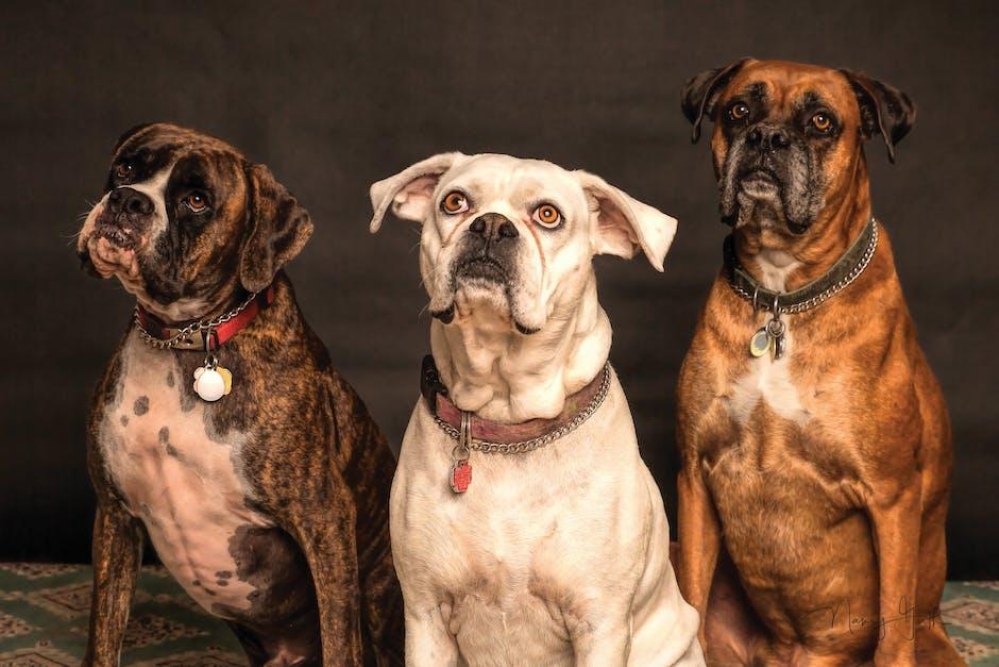
Dogs are beloved companions and members of the family, but like humans, they are also susceptible to various skin conditions, including warts. Understanding how dogs acquire warts is essential for pet owners to provide the best care for their furry friends. In this article, we will delve into the causes and risk factors for dog warts, shedding light on this common yet often misunderstood ailment. By gaining a deeper insight into this topic, pet owners can better equip themselves to protect their canine companions from the discomfort and potential complications associated with warts.
Table of Contents
- 1. Canine Warts: Understanding the Causes and Risk Factors
- 2. Examining the Different Types of Warts in Dogs
- 3. The Importance of Veterinary Consultation and Treatment Options
- 4. Preventative Measures: Minimizing the Risk of Warts in Dogs
- Q&A
- In Summary
1. Canine Warts: Understanding the Causes and Risk Factors
Dogs can get warts just like humans, and they are caused by a specific type of virus known as the papillomavirus. This virus is highly contagious and can be transmitted through direct contact with an infected dog or through contaminated objects such as toys, food bowls, or grooming tools. The risk of developing warts in dogs is higher in certain situations, including:
- Young age: Puppies and younger dogs are more susceptible to developing warts because their immune system is not fully developed.
- Weakened immune system: Dogs with weakened immune systems due to illness, stress, or medical treatments are at an increased risk of developing warts.
- Overcrowded environments: Dogs in crowded shelters or kennels are more likely to contract the virus due to close proximity and increased exposure to other infected animals.
It is essential for dog owners to be aware of these risk factors in order to take necessary precautions and preventive measures to protect their pets from contracting warts. Understanding the causes and risk factors of canine warts can help in implementing effective strategies to minimize the risk of infection and ensure the overall health and well-being of dogs.
2. Examining the Different Types of Warts in Dogs
Warts in dogs, also known as papillomas, are small growths on the skin that are caused by a virus known as the papillomavirus. There are four different types of warts that can affect dogs, each with their own distinct characteristics and symptoms. By examining the different types of warts that can affect dogs, pet owners can better understand how these growths develop and how to effectively treat them.
1. Canine Oral Papillomas: These warts appear on the lips, gums, and roof of the mouth. They are typically small and cauliflower-like in appearance.
2. Cutaneous Papillomas: These warts develop on the skin and can range in size from small and smooth to large and rough in texture.
3. Frond-like Papillomas: These warts are characterized by their frond-like appearance and tend to develop on the eyelids, face, and feet.
4. Transitional Warts: These warts can appear in various locations on the body and can resemble both cutaneous and frond-like papillomas.
While warts in dogs are generally harmless and will often resolve on their own, they can sometimes cause discomfort or become irritated. It’s important to monitor your dog’s warts for any changes in size, color, or texture, and to consult with a veterinarian if you have any concerns.
3. The Importance of Veterinary Consultation and Treatment Options
Dogs, just like humans, can develop warts. Warts in dogs are caused by the papillomavirus, a virus that can be spread through direct contact with an infected dog or contaminated objects. It is essential for dog owners to understand when dealing with dog warts.
There are several reasons why veterinary consultation is crucial when it comes to addressing dog warts. First and foremost, a veterinarian can accurately diagnose the warts and rule out any other underlying health issues. Additionally, a vet can provide treatment options to relieve any discomfort or pain associated with the warts, as well as prevent the spread of the virus to other dogs. Treatment options may include topical medications, cryotherapy, or surgical removal, depending on the severity of the warts.
4. Preventative Measures: Minimizing the Risk of Warts in Dogs
Warts in dogs can be caused by a virus known as the papillomavirus. This virus is highly contagious and can be easily transmitted through direct contact. To minimize the risk of warts in dogs, pet owners should take certain preventative measures, including:
- Regularly checking your dog for any signs of warts, such as small, raised bumps on the skin
- Keeping your dog away from other dogs that may have warts, especially in areas where they frequently gather, such as dog parks
- Ensuring your dog’s immune system is strong and healthy through a balanced diet and regular exercise
- Regularly cleaning and disinfecting your dog’s living areas, toys, and food and water bowls
- Seeking veterinary advice if your dog comes into contact with a dog with warts, or if you notice any signs of warts on your dog
By taking these preventative measures, pet owners can reduce the risk of their dogs contracting warts and ensure their furry friends lead a happy, healthy life.
Q&A
Q: What are warts and how do they affect dogs?
A: Warts are small, benign growths on the skin caused by a virus. In dogs, warts often appear as small, rough lumps on the skin and can vary in size and number.
Q: How do dogs get warts?
A: Dogs can get warts through direct contact with the virus, which is commonly found in environments where dogs congregate, such as dog parks or boarding facilities. Puppies and older dogs with weakened immune systems are more susceptible to contracting the virus.
Q: Can warts be prevented in dogs?
A: While it may not be possible to prevent dogs from coming into contact with the virus entirely, keeping dogs in good overall health and minimizing their exposure to potentially contaminated environments can help reduce the risk of developing warts.
Q: Are warts in dogs contagious to other animals or humans?
A: Yes, the virus that causes warts in dogs can be transmitted to other dogs through direct contact. However, it is not transmissible to humans or other animals.
Q: How are warts in dogs treated?
A: In many cases, warts in dogs will go away on their own as the dog’s immune system mounts a response to the virus. However, in some cases, surgical removal or other treatment methods may be necessary, especially if the warts are causing discomfort or interfering with the dog’s quality of life. Always consult with a veterinarian for proper diagnosis and treatment options.
Q: Are there any complications associated with warts in dogs?
A: While warts are generally harmless, they can become irritated or infected if the dog scratches or chews at them excessively. In rare cases, warts may also develop into more serious skin conditions, so it’s important to monitor and address any changes in the appearance or behavior of the warts.
In Summary
In conclusion, while warts in dogs are not uncommon, it is important to understand that they are typically harmless and do not pose a significant health risk to your furry friend. It is essential to monitor any changes in your dog’s skin and consult a veterinarian if you notice any new growths or abnormalities. By staying proactive and informed, you can ensure the overall health and wellness of your beloved pet. Thank you for reading and we hope this article has provided valuable insights into how dogs get warts.

