



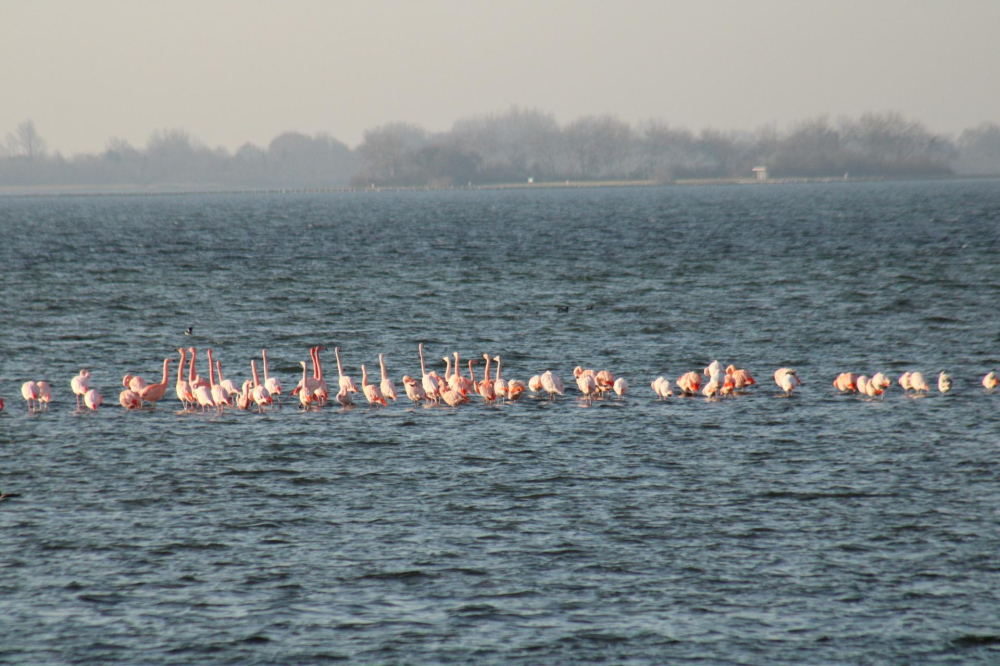
Title: The Graceful Majesty of Greater Flamingos: Unlocking the Secrets of Nature’s Pink Marvels
Introduction:
In the ethereal realm of wildlife, under an ever-blazing sun, a creature of unparalleled elegance reigns supreme – the magnificent greater flamingo (Phoenicopterus roseus). With their enchanting pink plumage and stately stride, these avian marvels capture the imagination of scientists and observers alike. Embarking on a scientific exploration into the resplendent world of this avian species illuminates their compelling existence while uncovering the secrets of their awe-inspiring biology and their remarkable resilience to thrive in habitats that remain unforgiving to most. Through this article, we aim to delve into the distant shores where science and nature converge, shedding light on the revered greater flamingo and the captivating questions that surround its fascinating existence.
Table of Contents
- The Greater Flamingo: A Fascinating Bird Species Evolving in Diverse Habitats
- Insights into the Greater Flamingo’s Distinctive Physical Characteristics
- The Secret to the Greater Flamingo’s Unique Feeding Behavior
- Conservation Strategies to Safeguard the Magnificent Greater Flamingo
- Understanding the Greater Flamingo’s Migratory Patterns and its Implications
- Q&A
- The Conclusion
The Greater Flamingo: A Fascinating Bird Species Evolving in Diverse Habitats
The greater flamingo, scientifically known as Phoenicopterus roseus, is a captivating bird species that thrives in diverse habitats across the globe. With its bright pink plumage and extraordinary curved beak, this avian wonder has managed to capture the imagination of bird enthusiasts and casual observers alike.
One of the most distinguishing features of the greater flamingo is its striking coloration. The pink hue of its feathers is a result of their specialized diet which mainly consists of algae and crustaceans rich in pigments called carotenoids. These pigments are then incorporated into the flamingo’s feathers, giving them their iconic pink color. It is fascinating to note that the intensity of the pink color is influenced by the flamingo’s diet, with more vivid shades found in birds feeding on a higher concentration of carotenoids.
Adapted to a wide range of habitats, the greater flamingo can be found in mudflats, lagoons, salt pans, and shallow lakes. These habitats provide them with an abundance of food and nesting grounds, making them ideal breeding sites for the species. Additionally, these water bodies offer protection against predators and provide a safe environment for flamingos to rest and engage in their unique feeding behaviors.
Habitats and Geographic Distribution
The greater flamingo is widely distributed across parts of Africa, Europe, Asia, and the Americas. Specifically, they can be found in the following regions:
- The African continent, with significant populations in East Africa, the Sahel region, and the Rift Valley lakes.
- The Mediterranean region, particularly in Spain, Greece, and the Camargue region of France.
- The Indian subcontinent, including India, Pakistan, and Sri Lanka.
- The Middle East, with notable populations in Iran, Israel, and the Arabian Peninsula.
- The Americas, with sightings in parts of the Caribbean, Mexico, and the Galapagos Islands.
These diverse habitats offer the greater flamingo a variety of food sources and nesting sites, allowing the species to adapt and flourish in different ecological settings. Whether in the saline lakes of Africa or the brackish lagoons of Europe, the greater flamingo’s ability to thrive in such contrasting environments showcases its remarkable adaptability.
Insights into the Greater Flamingo’s Distinctive Physical Characteristics
The greater flamingo, scientifically known as Phoenicopterus roseus, is a magnificent bird that showcases a range of distinctive physical characteristics. Let’s take a closer look at these fascinating features that set the greater flamingo apart from other avian species.
First and foremost, the most striking feature of the greater flamingo is its incredible height, standing at an average of 4 to 5 feet tall. This towering stance allows them to wade comfortably in shallow bodies of water, where they primarily reside. It is their long, lean legs, specifically adapted for wading purposes, that enable them to navigate through muddy or unstable habitats with ease.
Another distinguishing characteristic of the greater flamingo is its vibrant plumage. Their feathers are predominantly pale pink, lending an air of elegance and creating a visual spectacle wherever they gather in flocks. However, not many are aware that flamingos are not naturally pink. The vivid hue is acquired through their diet, which primarily consists of shrimp, algae, and other small aquatic organisms. The carotenoids present in these food sources are responsible for the flamingos’ pink pigment, as they are absorbed and distributed throughout their feathers.
| Physical Characteristics of the Greater Flamingo | Description |
|---|---|
| Distinctive Bill | The greater flamingo boasts a downward-curving bill, which is black-tipped. This unique adaptation helps them filter-feed and catch small organisms. |
| Long Neck | With a graceful, S-shaped neck, the greater flamingo can effortlessly reach down into the water to snag their prey. |
| Weird Knees? | Although it may appear that a flamingo’s knees are backward-bending, their actual knees are located higher up their bodies and are hidden by feathers. What may seem like their “knees” are, in fact, their ankles. |
The greater flamingo’s distinctive physical characteristics not only contribute to their unique appearance but also enable them to thrive in their watery habitats. From their tall stature to their vibrant plumage, every aspect of their physical features serves a purpose in their survival. It is these extraordinary traits that continue to captivate scientists and nature enthusiasts alike, leaving us in awe of the wonders of the natural world.
The Secret to the Greater Flamingo’s Unique Feeding Behavior
Flamingos are known for their striking pink plumage and graceful presence, but what truly sets the greater flamingo apart from other birds is its unique feeding behavior. This fascinating species has evolved a remarkable feeding technique that allows it to extract its primary food source from watery environments.
Filter-feeding: The secret to the greater flamingo’s feeding behavior lies in its elongated, S-shaped neck and specialized beak. This bird is a master at filter-feeding, a process that involves sifting through water or mud to capture its prey. The greater flamingo uses its beak like a sieve, sweeping it through the water to trap tiny organisms, such as shrimp and algae. The bottom part of the beak is equipped with comb-like structures called lamellae, which act as filters, allowing only small particles to pass through while trapping larger prey.
Group feeding: Another remarkable aspect of the greater flamingo’s feeding behavior is its preference for a communal dining experience. These birds are most commonly found in large flocks, and when it comes to feeding, they exhibit an impressive level of coordination. By feeding together, the flock can take advantage of the disturbance caused by one bird, making it easier for all individuals to catch prey. This behavior is not only efficient but also helps to protect the birds from potential predators that may lurk beneath the water’s surface.
| Greater Flamingo’s Feeding Behavior | Advantages |
|---|---|
| Filter-feeding | – Efficient way to capture small organisms – Specialized beak and lamellae act as filters |
| Group feeding | – Increases prey capture success rate – Provides protection against predators |
The greater flamingo’s unique feeding behavior is an excellent example of how species adapt and develop specialized techniques to thrive in their environment. From their filter-feeding method to their coordinated group feeding, these birds have truly unlocked the secret to obtaining their primary food sources. Studying and understanding the feeding behavior of the greater flamingo not only reveals the wonders of nature but also emphasizes the importance of preserving their habitats to ensure their continued survival.
Conservation Strategies to Safeguard the Magnificent Greater Flamingo
The greater flamingo, with its striking pink plumage and elegant posture, is truly a magnificent sight to behold. However, this iconic bird is facing numerous challenges in its survival, making it essential to implement effective conservation strategies to safeguard its existence.
One crucial conservation strategy for the greater flamingo is the preservation and restoration of its natural habitats. These birds primarily inhabit shallow wetlands, lagoons, and coastal areas. By protecting these areas from human encroachment and pollution, we can ensure that the flamingos have a safe and suitable environment for breeding, feeding, and nesting. Additionally, efforts should be made to restore degraded habitats, such as by removing invasive plant species and restoring water flow patterns.
Another key strategy is the regulation of human activities that may negatively impact the greater flamingo population. Uncontrolled tourism, industrial development, and overfishing in flamingo habitats can lead to habitat destruction and disturbance, as well as a decline in food availability. To mitigate these threats, strict regulations and guidelines should be implemented to ensure sustainable practices are followed. This includes limiting visitor numbers in sensitive areas, enforcing fishing quotas, and promoting responsible eco-tourism practices that minimize disturbance to the birds.
Collaboration between conservation organizations, governments, and local communities is crucial for the successful implementation of these strategies. By working together, we can ensure the long-term survival of the magnificent greater flamingo and protect its habitat for future generations to admire and appreciate.
Understanding the Greater Flamingo’s Migratory Patterns and its Implications
The greater flamingo, scientifically known as Phoenicopterus roseus, is a majestic bird that fascinates researchers and bird enthusiasts alike. One of the most intriguing aspects of these elegant creatures is their migratory patterns. Understanding these patterns not only enhances our knowledge of their behavior but also has significant implications for conservation efforts and ecosystem management.
1. Seasonal Movements: Greater flamingos are highly migratory birds, known for their long-distance flights. They undertake these journeys in response to changing seasons and environmental conditions. During the breeding season, typically from May to August, these birds gather in large numbers at specific breeding colonies. These colonies are often situated in shallow saltwater lagoons or saline wetlands. As the breeding season comes to an end, and food availability diminishes, the flamingos start their migration.
2. Long-Distance Travel: The greater flamingo exhibits impressive navigational skills during its migration. These birds can cover thousands of kilometers in search of suitable feeding grounds. They are known to travel from their breeding colonies in the Mediterranean and Northern Africa to wintering locations in Africa, the Middle East, and even as far as India. The long-distance flights require efficient energy management, and the flamingos achieve this by flying in a V-formation, which reduces wind resistance and saves energy.
| Eco-destination | Wintering Population | Important Notes |
|---|---|---|
| Ethiopia’s Rift Valley Lakes | ~300,000 | The vast numbers provide a spectacular sight for birdwatchers. |
| Camargue, France | ~Less than 5,000 | A significant breeding colony and a designated reserve for flamingos. |
| Ras al-Khor Wildlife Sanctuary, Dubai | ~500 | A popular urban birdwatching location in the United Arab Emirates. |
Understanding the migratory patterns of greater flamingos allows researchers to gather crucial information about their habitat requirements, breeding success, and population dynamics. Conservation organizations can use this knowledge to identify and protect critical areas along their migratory routes. Additionally, by studying the impacts of climate change on these patterns, scientists can gain insights into the overall health of ecosystems and the potential consequences on avian biodiversity.
Q&A
Q: What is the scientific name for the greater flamingo?
A: The scientific name for the greater flamingo is Phoenicopterus roseus.
Q: Where can the greater flamingo be found?
A: The greater flamingo is found in various regions across the world, including parts of Africa, southern Europe, the Middle East, and the Indian subcontinent.
Q: What is the average size of a greater flamingo?
A: Greater flamingos are known for their impressive height which ranges from 3.3 to 4.6 feet (1 to 1.4 meters). They typically weigh between 4.4 to 8.8 pounds (2 to 4 kilograms).
Q: How are these birds distinguished from other flamingo species?
A: The greater flamingo can be easily distinguished by its large size, pale pink plumage, long neck, and downward curving bill.
Q: What is the average lifespan of a greater flamingo?
A: Greater flamingos have a relatively long lifespan, averaging around 30 to 40 years in the wild.
Q: Can greater flamingos fly?
A: Yes, greater flamingos are capable of flying and often migrate to different regions in search of suitable breeding grounds and food sources.
Q: What is the diet of the greater flamingo?
A: Greater flamingos have a unique diet mainly consisting of small insects, mollusks, crustaceans, and algae. Their specialized bill allows them to filter-feed and extract small organisms from water and mud.
Q: Do greater flamingos live in colonies?
A: Yes, greater flamingos are social birds that often gather in large colonies, sometimes numbering in the thousands. These colonies offer protection from predators and allow for communal breeding and nesting practices.
Q: When do greater flamingos breed, and how do they build their nests?
A: Greater flamingos breed during the wet season, typically after heavy rainfall. They build their nests using mud, placing them in shallow water or on small islands within lakes and lagoons.
Q: Are greater flamingos considered endangered?
A: While the greater flamingo is not currently considered endangered, certain populations are facing threats due to habitat loss, pollution, and disturbance from human activities. Conservation efforts are crucial for the long-term survival of these magnificent birds.
Q: Can you discuss any interesting cultural or mythological significance associated with the greater flamingo?
A: The greater flamingo holds significant cultural and mythological importance in many regions. In ancient Egyptian culture, it symbolized the god Ra and was associated with the afterlife. In other cultures, it represents love, beauty, and grace.
The Conclusion
In conclusion, the greater flamingo (Phoenicopterus roseus) stands out as a magnificent and fascinating creature that captures our imagination with its vibrant plumage and unique biology. With its long, graceful neck, stilt-like legs, and enchanting pink feathers, this iconic bird symbolizes elegance and resilience in the wild.
Found in various habitats across Europe, Africa, and Asia, the greater flamingo showcases remarkable adaptability to fluctuating environmental conditions. Their specialized physiology enables them to thrive in both extreme saline ecosystems and freshwater environments, solidifying their place as one of the most adaptable avian species on our planet.
Their distinctive feeding behavior, employing their unusual bill structure in a sweeping, filtering motion, allows them to efficiently sift through muddy waters, extracting their primary food source of small invertebrates, crustaceans, and algae. This feeding technique not only showcases their adaptability but also plays a vital role in maintaining the delicate balance of ecosystems in which they inhabit.
Furthermore, the unique social structure of the greater flamingos enhances their survival and reproductive success. Nesting in large colonies, their strength lies in collective defense against predators, mating rituals, and the synchronized behavior observed during courtship displays. These social bonds foster a sense of cooperative breeding, showcasing their incredible intelligence and ability to work together for the benefit of their offspring.
However, despite their resilience, the greater flamingo faces numerous threats in the modern world. Habitat destruction, pollution, and climate change are all contributing to the decline of their population. Conservation efforts must focus on preserving their natural habitats, raising awareness about the importance of their existence, and implementing sustainable measures to ensure their survival in the years to come.
As we marvel at the beauty of the greater flamingo, it is crucial to recognize the irreplaceable role they play in maintaining the ecological balance of their ecosystems. By gaining further scientific insights into their behavior, physiology, and adapting conservation strategies accordingly, we can ensure the long-term existence of these stunning birds that have captivated humanity’s imagination for centuries. Nature’s living artwork, the greater flamingo represents the delicate harmony and resilience of our natural world, urging us to protect and cherish its existence for future generations.

