



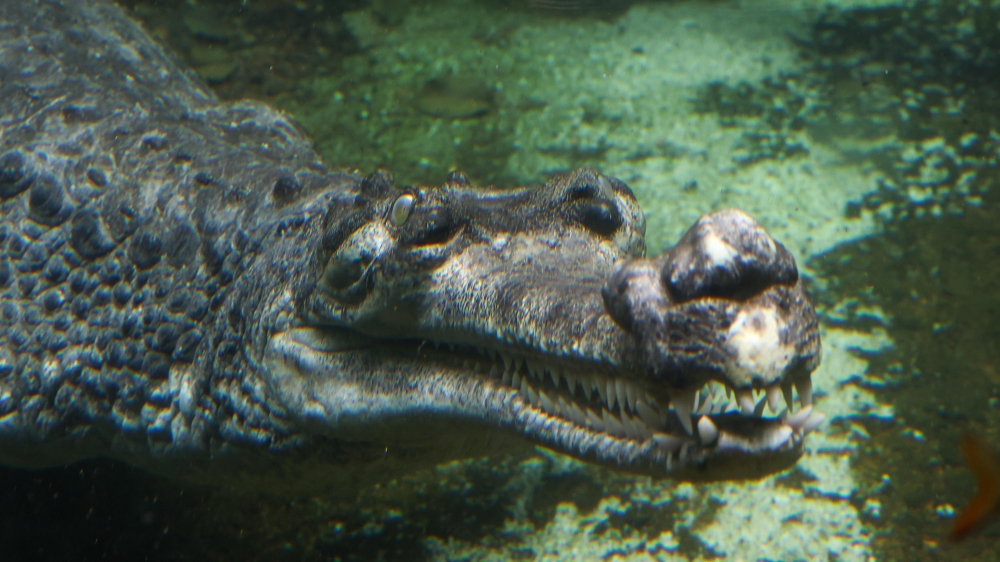

Title: Unraveling the Enigmatic World of Gharials: Magnificent Guardians of the Waterways
Introduction:
With their striking elongated snouts and captivating prehistoric appearance, gharials have long captivated the imagination of both scientists and nature enthusiasts alike. These enigmatic creatures, emblematic of riverine ecosystems throughout the Indian subcontinent, possess an unparalleled elegance that belies their menacing reputation.
In this article, we dive headfirst into the scientific realm, shedding light on the unique characteristics and ecological significance of gharials. As they navigate the murky depths of rivers, these magnificent reptiles play a vital role in maintaining the delicate balance of their habitats. Taking an inquisitive leap into the scientific wonderland that surrounds them, we unravel their mysterious ways and delve into the critical conservation efforts invested in preserving their dwindling populations.
Join us as we embark on a fascinating journey, exploring the evolutionary traits, remarkable adaptations, and behavioral intricacies that make gharials truly distinctive amongst their reptilian counterparts. Buckle up, cling to your scientific curiosity, and prepare to witness the captivating story of these unparalleled guardians of the waterways.
Table of Contents
- The Ghastly Decline: A Closer Look at the Plight of Gharials
- Mapping the Habitat: Understanding the Environmental Factors Impacting Gharial Populations
- Alarming Poaching Epidemic: Strategies to Combat Illegal Trade and Preserve Gharials
- Unlocking the Mystery: Exploring the Reproduction Challenges of Gharials
- Reviving Hope: Conservation Efforts to Safeguard the Future of Gharials
- Q&A
- In Retrospect
The Ghastly Decline: A Closer Look at the Plight of Gharials
Gharials, a unique and fascinating species of crocodile, have been facing a ghastly decline in recent years. These reptiles, known for their long, slender snouts and distinctive, narrow jaws, once thrived in the rivers and lakes of the Indian subcontinent. However, their population has dwindled significantly, making them critically endangered. In this section, we will take a closer look at the plight of gharials and the factors that have contributed to their decline.
Habitat Loss: One of the primary reasons for the decrease in gharial numbers is the loss of their natural habitat. As human populations expand and encroach upon the rivers and wetlands that these crocodiles call home, their habitats are destroyed or fragmented. Deforestation, dam construction, and pollution have also played a detrimental role in destroying gharial habitats.
Poaching for Skins and Eggs: Another major threat to gharials is poaching. These unique creatures are highly valued for their skin, which is used to make luxury products such as wallets, belts, and handbags. Additionally, gharial eggs are considered a delicacy and fetch a high price in illegal markets. The demand for these items has fueled rampant poaching, further decimating gharial populations.
Decline in Prey: Gharials primarily feed on fish, and the depletion of their prey species has had a significant impact on their survival. Overfishing and the use of destructive fishing methods have resulted in a decline in fish populations, leaving gharials struggling to find enough food. Without an adequate food source, these reptiles are unable to reproduce and thrive.
While efforts are being made to conserve gharials through captive breeding programs and protected areas, the road to recovery is long and challenging. It is crucial for governments, conservation organizations, and local communities to work together to address the threats facing gharials and protect their habitats. Only through collective action can we hope to prevent the ghastly decline of this unique species and ensure their survival for future generations.
Mapping the Habitat: Understanding the Environmental Factors Impacting Gharial Populations
The gharial, also known as the gavial or fish-eating crocodile, is a critically endangered species native to the Indian subcontinent. These unique reptiles have a long, thin snout with specialized teeth for catching fish, making them a valuable indicator of the health of their aquatic habitats. To ensure their survival, it is vital to understand the environmental factors that impact gharial populations.
One of the key factors affecting gharials is the availability of suitable nesting sites. Gharial females require specific conditions, such as sandy riverbanks with minimal vegetation cover, to lay their eggs. These nesting sites need to be in close proximity to their primary food source – freshwater fish. Human activities, such as riverbank erosion and sand mining, can destroy these critical habitats, affecting the breeding success of gharials.
Apart from nesting sites, water quality also plays a significant role in impacting gharial populations. Gharials are extremely sensitive to changes in water condition and pollution levels. Industrial effluents, agricultural runoff, and wastewater discharge can all contribute to deteriorating water quality, making it difficult for gharials to thrive. Monitoring and reducing such pollution through proper waste management and conservation measures are crucial to mitigating the negative impacts on gharial populations.
Overall, understanding the environmental factors that impact gharial populations is essential for their conservation. Efforts must be made to protect and restore their crucial nesting sites, as well as improve water quality in their habitats. By addressing these issues, we can ensure the survival of these incredible creatures and maintain the delicate balance of our ecosystems.
Alarming Poaching Epidemic: Strategies to Combat Illegal Trade and Preserve Gharials
Gharials, also known as Gavials, are one of the most unique and fascinating creatures on our planet. With their long narrow snouts and perfectly adapted bodies for aquatic life, gharials are a prime example of evolution at its finest. However, these incredible creatures are facing a growing threat – poaching. The illegal trade of gharials and their parts has reached alarming levels, putting their survival at risk. In this article, we will explore strategies to combat this illegal trade and preserve gharials for future generations.
One of the most effective strategies to combat the poaching epidemic is to strengthen law enforcement and increase penalties for wildlife trafficking. Government agencies and conservation organizations should work together to create a robust network of rangers and enforcement officers who are trained to identify and apprehend poachers. Strict monitoring and surveillance systems should be implemented to track the movement of gharials and gather intelligence on poaching activities.
In addition to law enforcement, public awareness and education play a crucial role in preserving gharials. By raising awareness about the importance of gharials in our ecosystem and the devastating impact of their illegal trade, we can inspire communities to become proactive in protecting these magnificent creatures. Public campaigns, school programs, and community engagement initiatives can help educate people about the ecological significance of gharials and the importance of sustainable practices.
| Strategies to Combat Illegal Trade and Preserve Gharials | Benefits |
|---|---|
| Strengthen law enforcement | Deter poachers and prevent illegal trade |
| Raise public awareness | Encourage community participation in conservation efforts |
| Implement strict monitoring and surveillance systems | Track poaching activities and gather intelligence |
| Introduce stricter penalties for wildlife trafficking | Act as a deterrent and discourage illegal trade |
In conclusion, the alarming poaching epidemic threatens the survival of gharials, a unique and valuable species. By implementing strategies such as strengthening law enforcement, raising public awareness, and implementing strict monitoring systems, we can combat the illegal trade and ensure the preservation of gharials for generations to come. It is our collective responsibility to protect these magnificent creatures and safeguard the biodiversity of our planet.
Unlocking the Mystery: Exploring the Reproduction Challenges of Gharials
Gharials, also known as the Gavialis gangeticus, are critically endangered crocodile-like creatures native to the rivers of the Indian subcontinent. These fascinating reptiles have captivated scientists and conservationists alike due to their unique biology and reproduction challenges. In this article, we delve deep into the mysteries surrounding gharials’ reproduction and shed light on the difficulties they face in sustaining their population.
One of the most intriguing aspects of gharial reproduction is their extremely long snout, which is perfectly adapted for their primary diet of fish. However, this notable feature poses a significant challenge when it comes to mating. Male gharials use their elongated snout to produce a distinct ‘ghara’ sound, a resonating vocalization that attracts females during the breeding season. While this method is effective for communication, it can also make physical courtship complicated, resulting in reduced mating success.
Furthermore, gharials face a dwindling habitat and compromised water quality, further hindering successful reproduction. Pollution and habitat destruction have led to a decline in available nesting sites, forcing gharials to compete fiercely for suitable locations. Female gharials require specific conditions for nesting, such as sandy riverbanks or islands, where they can bury their eggs and incubate them safely. With the loss of nesting sites, gharials’ reproductive success is severely impacted.
The Challenges of Gharial Reproduction:
- Limited mating success due to the long and cumbersome snout.
- Competition for suitable nesting sites.
- Declining water quality and pollution.
Understanding the reproductive challenges faced by gharials is crucial for their conservation. Scientists and conservation organizations are working relentlessly to address these obstacles and develop strategies to protect and restore gharial populations. Efforts include creating artificial nesting areas, conducting research to improve understanding of gharial behavior, and advocating for better river management practices to preserve their natural habitats.
| Threats to Gharials | Conservation Efforts |
|---|---|
| Pollution and habitat destruction | Creating artificial nesting areas |
| Reduced mating success | Research to understand gharial behavior better |
| Competition for nesting sites | Advocating for better river management practices |
As we continue to unlock the mysteries surrounding gharials’ reproduction, it is crucial to promote awareness and conservation efforts to safeguard these remarkable creatures for future generations. By understanding their challenges, we can make a meaningful difference in preserving the gharials’ natural habitats and ensuring their survival in a rapidly changing world.
Reviving Hope: Conservation Efforts to Safeguard the Future of Gharials
The gharial, known by its scientific name Gavialis gangeticus, is a critically endangered crocodilian species native to the Indian subcontinent. These unique creatures have long, slender snouts full of interlocking teeth, making for a formidable appearance. Sadly, their population has been steadily declining over the years due to various factors such as habitat loss, pollution, and illegal hunting.
However, in recent years, conservation efforts have been underway to revive hope for the future of the gharials. Several initiatives and organizations have come together to safeguard this species and protect its natural habitat. One such effort is the establishment of protected areas where gharials can freely thrive.

The Importance of Conservation
Conservation efforts are crucial for the survival of gharials as they play a vital role in maintaining the ecological balance of their habitats. Here are some key reasons why conserving gharials is of utmost importance:
- Biodiversity: Gharials are apex predators and their presence ensures a healthy population of fish, their primary food source. Protecting gharials also leads to the preservation of other species in the ecosystem.
- Economic Significance: These unique creatures are not only important for ecological reasons but also have economic value. Gharial sanctuaries attract tourists, providing local communities with an income source through ecotourism.
- Cultural Significance: Gharials hold cultural significance in many communities, being revered as sacred animals. By saving the gharials, we preserve their cultural heritage and traditional beliefs.
Conservation Efforts in Action
Various organizations and government bodies have collaborated to implement effective conservation strategies for gharials. These include:
| Date | Conservation Effort | Results |
|---|---|---|
| 1991 | Establishment of National Chambal Sanctuary | Protected habitat; increase in gharial population |
| 2009 | Gharial Conservation Alliance | Collaborative effort for research and conservation activities |
| 2017 | Gharial Conservation and Research Center | Breeding and reintroduction programs for gharials |
These successful conservation initiatives have shown promising results. However, continued efforts are necessary to ensure the long-term survival of this unique and fascinating species.
Q&A
Q: What are Gharials?
A: Gharials, or Gavialis gangeticus, are large and unique crocodilians native to the rivers of the Indian subcontinent. They are well-known for their long, slender snouts, which distinguish them from other crocodile species.
Q: How do Gharials differ from other crocodilians?
A: The most distinct feature of Gharials is their elongated snout, which ends in a bulbous growth known as a “ghara” or “pot”. This unique adaptation allows them to more efficiently catch fish, their primary food source. Additionally, adult male Gharials possess a growth called a “gharial boss” on top of their snout, further enhancing their distinct appearance.
Q: What is the geographical distribution of Gharials?
A: Gharials are primarily found in the major river systems of northern India, including the Ganges, Brahmaputra, and Indus rivers. They also exist in smaller numbers in Nepal, Bangladesh, and Pakistan. Historically, their range extended as far as Myanmar, but human activities and habitat degradation have severely limited their distribution.
Q: What is the conservation status of Gharials?
A: Gharials are listed as a critically endangered species by the International Union for Conservation of Nature (IUCN). Due to habitat loss, depletion of their natural prey, and unintentional human interference, their population has decreased dramatically over the past century. It is estimated that there are currently fewer than 1,000 mature individuals left in the wild.
Q: What are the major threats to Gharials?
A: Gharials face numerous threats to their survival, with habitat loss being the most significant. Dam construction, river pollution, sand mining, and human encroachments have all severely impacted their natural habitats. Additionally, overfishing and the use of gillnets in rivers have depleted their prey, forcing Gharials to travel longer distances in search of food.
Q: What conservation efforts are being made to protect Gharials?
A: Several conservation initiatives have been undertaken to safeguard Gharials. These include establishing protected areas, such as National Chambal Sanctuary in India, which provides a safe haven for nesting and breeding. Conservation organizations are also working to raise awareness, engage local communities, and enforce strict regulations against illegal fishing and sand mining.
Q: Are there any success stories in Gharial conservation?
A: Yes, there have been some successful conservation initiatives that give hope for the Gharials’ future. The National Chambal Sanctuary has played a significant role in stabilizing the Gharial population in India. Conservation efforts there have led to an increase in nesting sites, hatching success rates, and overall population growth. While challenges remain, such success stories provide essential lessons for ongoing conservation efforts.
Q: How can individuals contribute to the conservation of Gharials?
A: Individuals can play a vital role in Gharial conservation by supporting conservation organizations financially or through volunteer work. Reducing pollution, avoiding the use of plastic near rivers, and promoting responsible tourism are also ways to help protect Gharial habitat. Educating others about the significance of Gharials and their ecosystems is crucial for promoting wider awareness and conservation efforts.
In Retrospect
In conclusion, the intriguing world of gharials is a testament to the marvels of nature’s diversity and adaptation. These extraordinary and enigmatic creatures, with their elongated snouts and unique physical attributes, have managed to survive through centuries of evolution. Though facing numerous challenges, including habitat loss and human interference, the conservation efforts implemented by researchers, scientists, and local communities offer a glimmer of hope. Through a deeper understanding of their behavior, habits, and ecological significance, we can work towards safeguarding the future of these fascinating reptiles. The untold stories of gharials continue to unravel in the depths of their riverine habitats, awaiting further exploration and discovery. As we venture into uncharted territories of knowledge, let us embrace our duty to protect and coexist with these ancient creatures, ensuring a future where gharials thrive amidst the delicate balance of our ecosystems.
Auto Amazon Links: No products found.
